
Continuous PNAD
Unemployment increases in 15 states in Q1 and remains stable in another 12


May 14, 2026 09h00 AM | Last Updated: July 09, 2026 07h11 PM

The increase of the unemployment rate to 6.1%, in Q1, showed the rise of unemployment in 15 states from Q1 2025. The highest unemployment rates were found in Amapá (10.0%), Alagoas (9.2%), Bahia (9.2%), Pernambuco (9.2%) and Piauí (8.9%). The lowest were recorded by Santa Catarina (2.7%), Mato Grosso (3.1%), Espírito Santo (3.2%), Paraná (3.5%) and Rondônia (3.7%).
Information can be found in the Continuous National Household Sample Survey (Continuous PNAD), released today (14), by the IBGE.
The biggest increases were found in Ceará (2.3 p.p.), Acre (1.8 p.p.), Tocantins (1.6 p.p.), Mato Grosso do Sul (1.4 p.p.), Paraíba (1.3 p.p.), Maranhão (1.3 p.p.) São Paulo (1.3 p.p.) Alagoas (1.2 p.p.), Bahia (1.2 p.p.), Pará (1.2 p.p.), Goiás (1.2 p.p.), Minas Gerais (1.2 p.p.), Rondônia (1.1 p.p.), Espírito Santo (0.8 p.p.) and Santa Catarina (0,5 p.p.). The other states remained stable.
According to William Kratochwill, survey analyst, the unemployment rate historically rises in the first quarter due to the dismissal of temporary workers - whether caused by the retail sector's seasonal slowdown or the expiration of temporary contracts in municipal public sector education and health services.
“It is also important to note that unemployment rates remained stable in another 12 states compared to the previous quarter, demonstrating that the labor market managed to absorb the year-end temporary contracts to some extent.”
Piauí has the highest underutilization rate, while Santa Catarina has the lowest
The composite underutilization rate stood at 14.3% in the first quarter. This indicator aggregates the percentages of unemployed persons, those time-related underemployed, and those in the potential labor force, relative to the extended labor force. Piauí (30.4%) recorded the highest rate, followed by Bahia (26.3%) and Alagoas (26.1%). The lowest rates were observed in Santa Catarina (4.7%), Mato Grosso (6.7%), and Espírito Santo (7.0%).
The percentage of discouraged workers (relative to the population in the labor force or the discouraged population) in the first quarter was 2.4%. Maranhão (10.3%), Alagoas (9.2%), and Piauí (7.6%) recorded the highest percentages, while the lowest were in Santa Catarina (0.3%), Rio Grande do Sul (0.7%), and Goiás (0.7%).
Maranhão has the highest informality rate, and Santa Catarina the lowest
The informality rate for Brazil was 37.3% of the employed population. The highest rates were found in Maranhão (57.6%), Pará (56.5%), and Amazonas (53.2%), while the lowest were in Santa Catarina (25.4%), the Federal District (28.1%), and Mato Grosso do Sul (29.8%).
The informality rate for the employed population takes into account private-sector employees without a formal employment contract, domestic workers without a formal employment contract, employers without a CNPJ registration, self-employed workers without a CNPJ registration, and contributing family workers.
Number of people searching for work for two years or more fell by 21.7%
In Q1, 1.1 million people had been looking for work for two years or more. This figure dropped by 21.7% from Q1 2025, when 1.4 million people were in this situation.
Meanwhile, 1.4 million people had been looking for work for less than a month. This number fell by 14.7% compared to the same quarter of 2025, when 1.6 million people had been looking for a job for less than a month.
“The drop in the population searching for work for over two years indicates a general improvement in the market, while the reduction in the segment looking for less than a month points to healthy turnover, meaning it is easier to find a job,” assesses William.
The unemployment rate by sex was 5.1% for men and 7.3% for women in the first quarter of 2026. Regarding color or race, the unemployment rate was below the national average (6.1%) for white persons (4.9%) and above it for black persons (7.6%) and brown persons (6.8%).
The unemployment rate for individuals with incomplete high school education (10.8%) was higher than the rates for other levels of schooling. For those with incomplete higher education, the rate was 7.0%—nearly double the rate observed for those with complete higher education (3.7%).
Average earnings remains stable in three regions
In the first quarter of 2026, the average real monthly earnings from all jobs—usually earned by employed individuals aged 14 or older with income from work during the reference week—was estimated at R$ 3,722. This figure showed an increase compared to both the immediately preceding quarter (R$ 3,662) and the same quarter in the previous year (R$ 3,527).
Comparing Q1 2026 with Q4 2025, the Northeast (R$ 2,616) and Central-West (R$ 4,379) regions were the only ones to see an increase in income, while the other Major Regions remained stable. Compared to the first quarter of 2025, average earnings remained stable in the North and rose in the other Major Regions.
The total real monthly earnings from all jobs—usually earned by employed persons aged 14 or older with earnings from during the reference week—was estimated at R$ 374.8 billion; this figure remained stable compared to the previous quarter (R$ 372.5 billion) and showed an increase relative to Q1 2025 (R$ 350.0 billion).
More about the survey
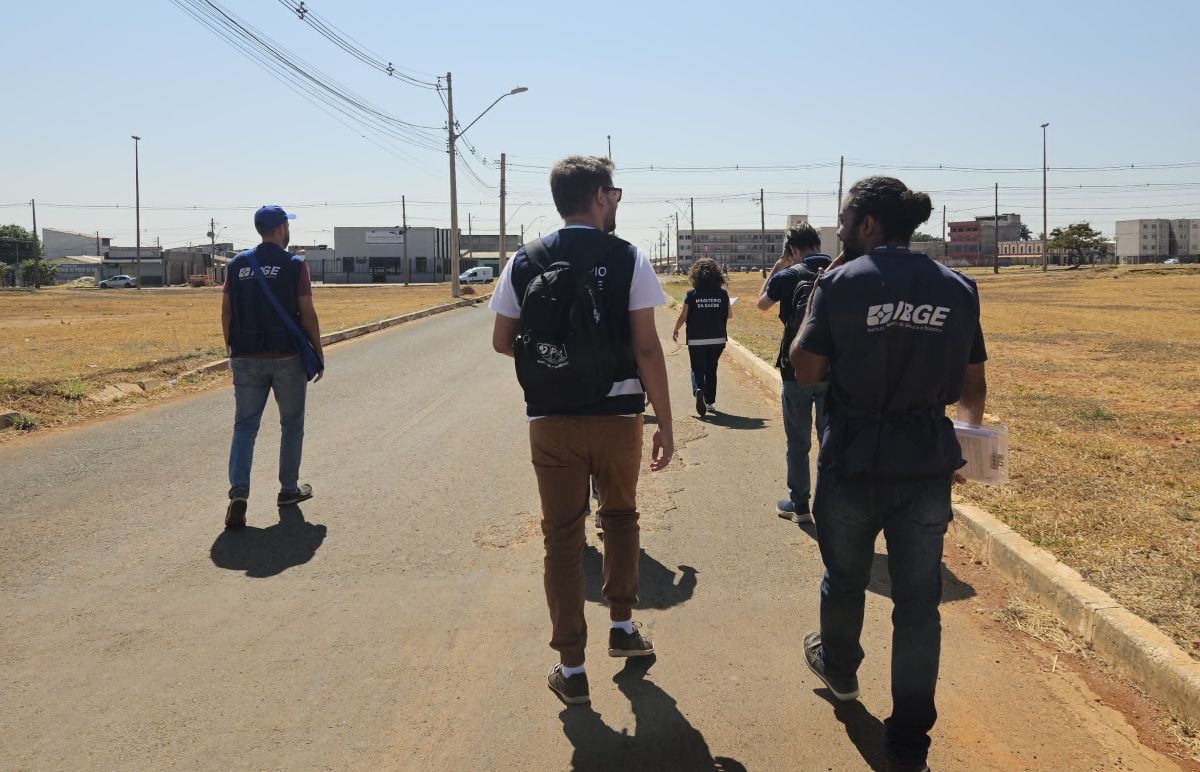
The Continuous PNAD is the main instrument to monitor workforce in Brazil. The survey sample per quarter corresponds to 211 thousand households surveyed in Brazil. Nearly two thousand interviewers work in the survey in 26 states and in the Federal District, integrated to the data collection network of more than 500 IBGE branches.
The id of the interviewers can be confirmed at the Answering the IBGE website or through the Call Center (0800 7218181) by checking their ID numbers, which can be requested by the informants.
See PNAD data at Sidra. Its next release, relative to the quarter ending in June, will be on August 14.
Learn mor about Continuous PNAD:
What is Continuous PNAD?
Time Series
Tables
Publications