
Annal Survey of Industry
Manufacturing industries lead in employment in 2024


June 24, 2026 10h00 AM | Last Updated: June 25, 2026 03h57 PM
Highlights
- In 2024, a total of 358.4 thousand industrial enterprises employed 8.7 million people, who received R$ 481.1 billion in wages, withdrawals, and other compensnation;
- In 2024, these enterprises generated net sales revenue of R$ 6.8 trillion and an industrial transformation value of R$ 2.6 trillion, with 88.8% of the latter derived from the manufacturing industry;
- Total gross revenue amounted to R$ 8.8 trillion;
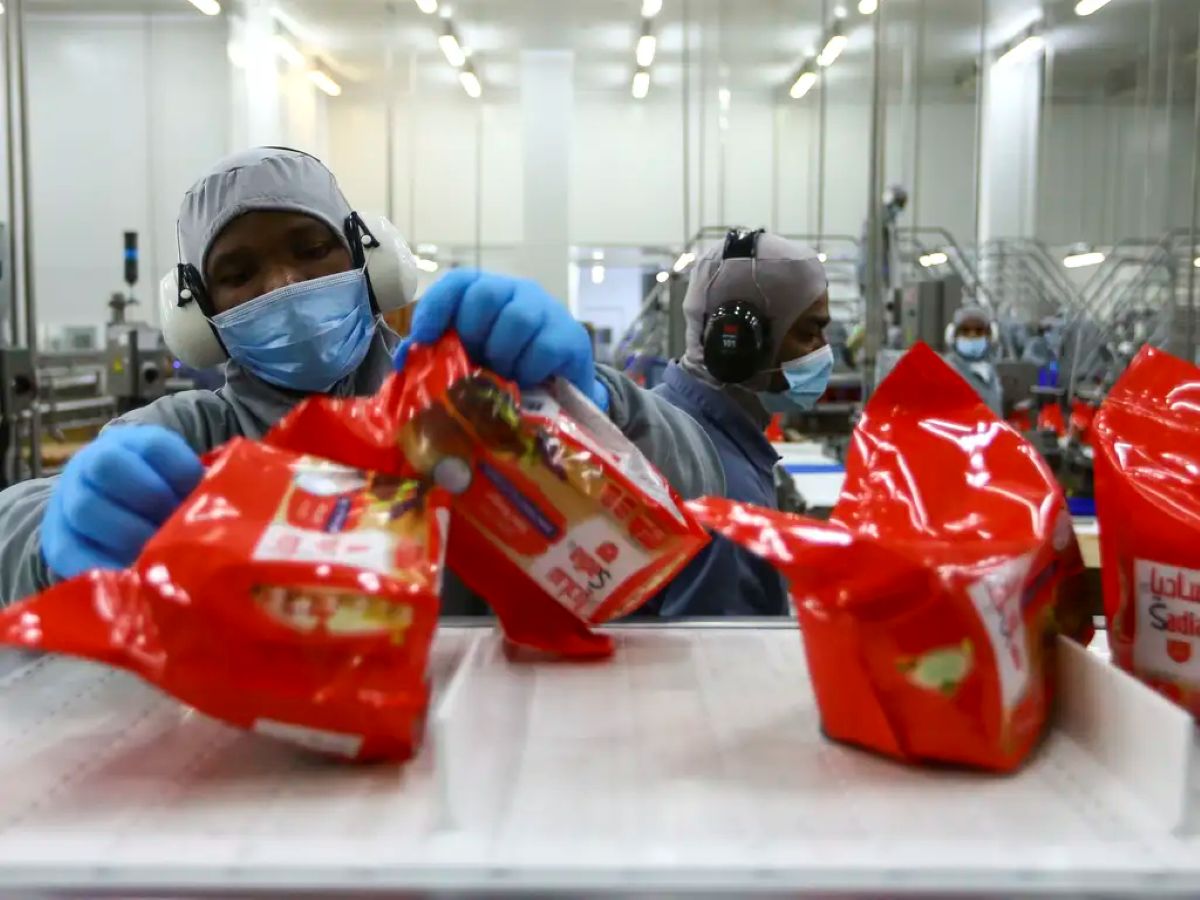
- The largest employer was the food products manufacturing sector, with 2.1 million employed persons;
- Petroleum and natural gas extraction topped the productivity rankings, generating R$ 13.3 million per employed person;
- In 2024, the Southeast region accounted for a 60.3% share of the industrial transformation value.
The Annual Survey of Industry – Enterprise (PIA-Enterprise) showed that, in 2024, a total of 358.4 thousand industrial enterprises employed 8.7 million people, who received R$ 481.1 billion in wages, withdrawals, and other compensation. The data were presented by the IBGE this Wednesday (24).
In 2024, these enterprises generated net sales revenue of R$ 6.8 trillion and an industrial transformation value of R$ 2.6 trillion, with 88.8% of the latter originating from the manufacturing industry.
Total gross revenue amounted to R$ 8.8 trillion. Of this total, R$ 7.4 trillion was generated by the sale of industrial products and services, R$ 695.9 billion by resales and non-industrial services, and R$ 706.0 billion by other revenues.
Another perspective on industrial company revenue involves analyzing net sales revenue (NSR), calculated by taking gross revenue and deducting sales taxes, cancelled sales, and unconditional discounts.
Breaking down net revenue by company size reveals a pattern where economic scale is concentrated among large enterprises.
Companies with 500 or more employees accounted for R$ 4.6 trillion, or 67.9% of total net revenue. Medium-sized enterprises (100 to 499 employees) accounted for 17.4%; small enterprises for 8.7%; and micro-enterprises for 6.1%.
“The contrast is significant because, although the industrial sector comprises many smaller companies, the greatest part of the revenue is linked to larger-scale firms. Industrial dynamics require large workforces or extensive machinery, which is why the highest revenues are concentrated in larger companies,” explained Marcelo Miranda, the survey manager.
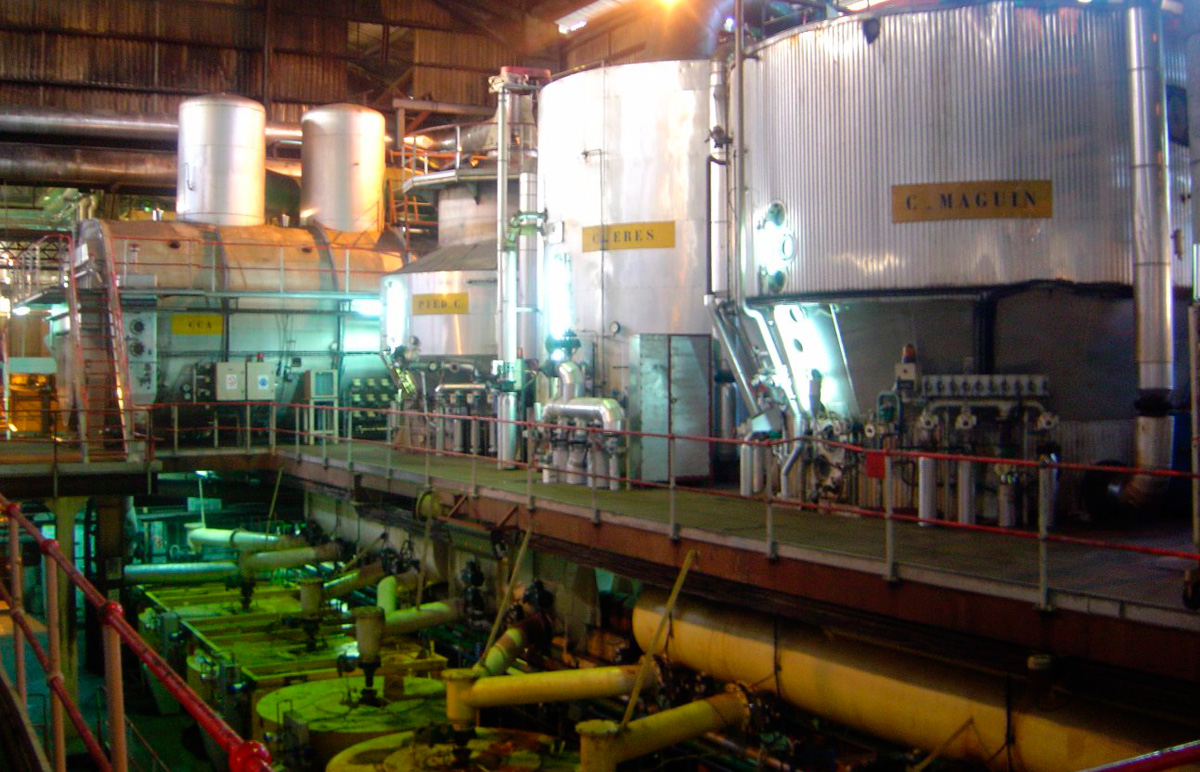
Sectoral analysis showed that, in 2024, manufacturing industries accounted for 92.9% of the Brazilian industrial sector's NSR. Leading the way was the manufacture of food products, which accounted for 23.0% of total NSR, followed by the manufacture of coke, petroleum products, and biofuels (10.1%); the manufacture of chemicals (9.2%); the manufacture of motor vehicles, trailers, and bodies (8.9%); and basic metals (6.4%).
Manufacture of food products led industrial employment in 2024
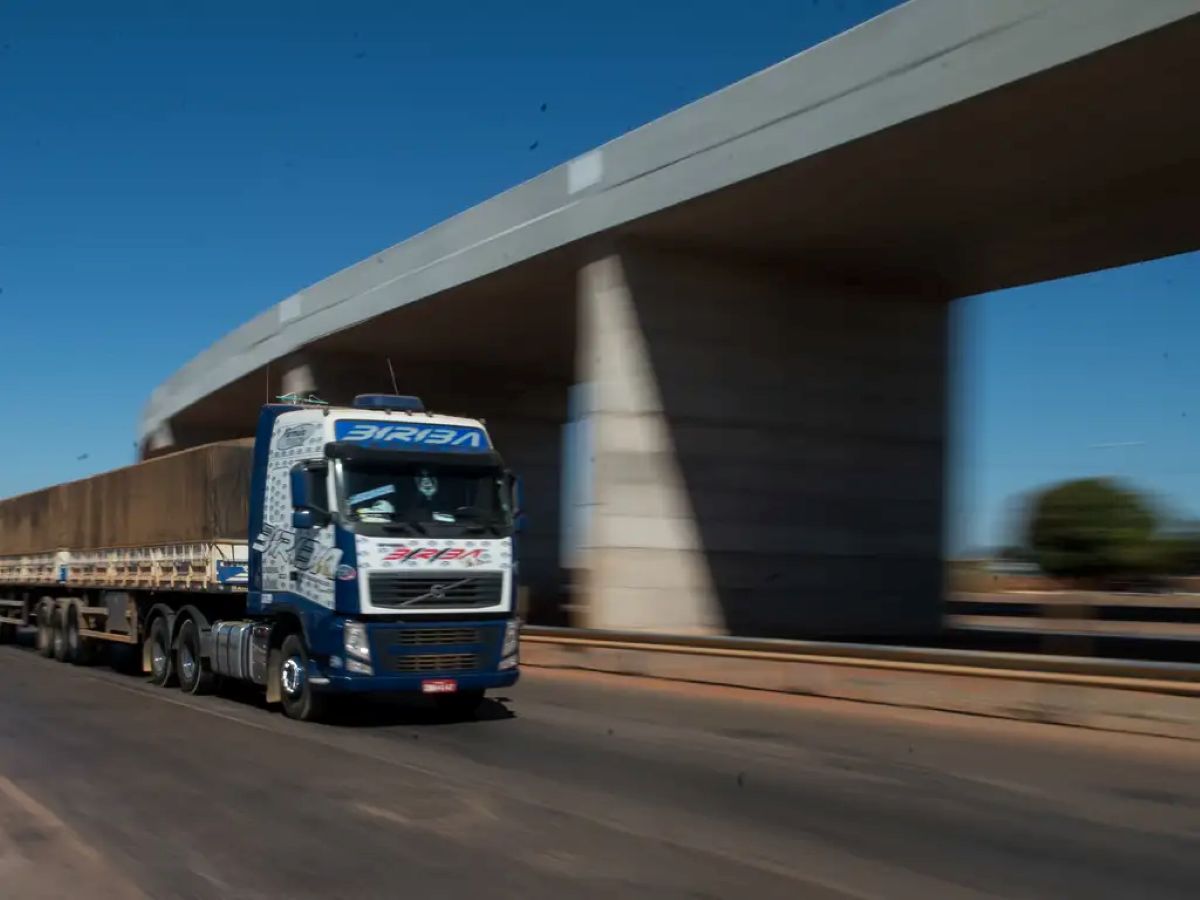
The total workforce stood at 8.7 million people, with manufacturing industries accounting for 97.1% of the total. The largest employer was the manufacture of food products, with 2.1 million employees. Next come the manufacture of apparel and accessories (551.8 thousand), the manufacture of fabricated metal products, except machinery and equipment (517.1 thousand), and the manufacture of motor vehicles, trailers, and bodies (491.9 thousand).
Wages, withdrawals, and other compensation totaled R$ 481.1 billion, following a proportion close to the distribution of employment, with 94.9% of the total wage volume paid in the manufacturing sector. The average wage, measured in minimum wages (m.w.), was 3.0 across the industry as a whole; in the mining and quarrying sector, it reached 5.4 minimum wages—notably in the petroleum and natural gas extraction sector, which paid 17.5 m.w. in 2024—while in the manufacturing sector, it stood at 2.9 minimum wages, with the highest average wage found in the manufacture of coke, refined petroleum products, and biofuels (7.9 m.w.).
“Observing labor productivity trends in the industry—measured by dividing the industrial transformation value [ITV] by the number of employed persons—can complement the analysis of labor-related indicators,” said Mr. Miranda.
In 2024, the value of this variable for the industry overall was R$ 299.3 thousand per worker annually, standing at R$ 1.2 million in mining and quarrying industries and R$ 273.6 thousand in manufacturing industries.
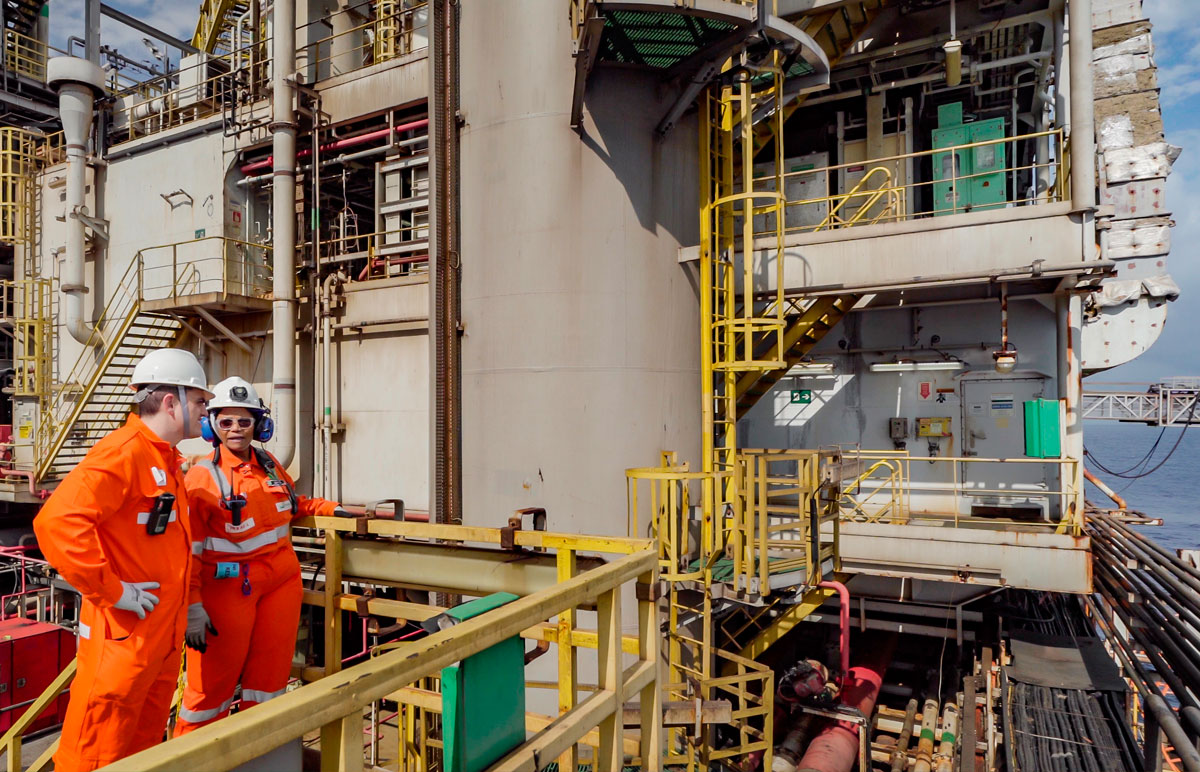
Activities within the production chain for the extraction and production of petroleum, natural gas, and their derivatives deserve special mention, as they topped the productivity rankings: petroleum and natural gas extraction (R$ 13.3 million) and the manufacture of coke, refined petroleum products, and biofuels (R$ 2.4 million). Marcelo Miranda noted that another important indicator is the “8-firm concentration ratio” (R8), measured by the percentage of the industrial transformation value accounted for by the industry's eight largest companies. “The higher this index, the greater the market concentration.”
In 2024, 20.2% of the ITV was concentrated in the eight largest industrial companies. In the mining and quarrying industries, the R8 was 50.1%, while manufacturing industries posted an R8 of 20.4%; notable examples include coal mining (96.5%), the sector with the highest concentration, and the manufacture of apparel and accessories (9.5%), the sector with the lowest concentration.
The characterization of Brazilian industry in the PIA-Enterprise survey is based on two distinct perspectives: companies and local branches. While the former consolidate the main economic and financial results, the latter reflect the locations where industrial activities actually take place, providing insight into the sector's production complexity and enabling a more precise analysis of integration into production chains and the regional allocation of production. Considering companies with 5 or more employed persons, the 2024 PIA-Enterprise survey recorded 213.3 thousand industrial local branches. Industrial local branches belonging to companies with 5 or more employed persons recorded a total of R$ 2.5 trillion in ITV.
In 2024, the Southeast accounted for 60.3% of the VTI
The regional distribution shows a strong concentration in the Southeast, which accounted for 60.3% of industrial ITV. The South accounted for 19.1%; the Northeast, with 8.4%; the North, with 6.3%; and the Central-West, with 6.0%. Regional concentration is a persistent feature of Brazil's industrial structure, linked to the historical development of its industrial base, infrastructure, consumer markets, logistics networks, the availability of producer services, and the location of specific supply chains.
São Paulo was the leading Federation Unit, accounting for 34.5% of the ITV. The state hosts a diverse range of activities, including food products, chemicals, vehicles, machinery, metal products, pharmaceuticals, rubber and plastics, as well as producer services and infrastructure. Rio de Janeiro accounted for 12.8%, driven largely by the petroleum, gas, and derivatives sectors. Minas Gerais accounted for 10.8%, with a strong emphasis on mining, basic metals, food products, and other industrial segments.
The South region ranks as the country's second-largest industrial hub, with Paraná, Rio Grande do Sul, and Santa Catarina—in that order—among the Federation Units with the highest ITV. Its industrial structure encompasses food products, machinery and equipment, vehicles, metalworking, furniture, textiles, and other segments.
The North region's industrial weight is heavily influenced by Amazonas and Pará: the former is linked to the Manaus industrial hub (including electronics and other equipment), while the latter is associated with mining, particularly metallic minerals.
In the Northeast, Bahia and Pernambuco lead the way, with significant activity in chemicals, petroleum derivatives, food products, beverages, and regional industrial sectors. In the Central-West, Goiás, Mato Grosso, and Mato Grosso do Sul reflect the growing strength of agribusiness, food processing, and biofuels.
It is worth noting that in 18 of the 27 Federation Units, the manufacture of food products ranks first in terms of the value of industrial transformation.
Since 1996, the Institute has conducted the PIA-Empresa survey, which depicts the structural characteristics of industrial companies in Brazil, providing information on their composition and dynamics. One of the survey's objectives is to provide input for planning public and private strategies for the industrial sector and to enrich the national statistical system.