
National Accounts
GDP grows 2.3% in 2025


March 03, 2026 09h00 AM | Last Updated: March 04, 2026 03h07 AM
Brazil's Gross Domestic Product (GDP) closed 2025 with an increase of 2.3%. At current figures, GDP in 2025 reached R$12.7 trillion. The three economic activities analyzed by the IBGE's Quarterly National Accounts grew: Agriculture (11.7%), Services (1.8%), Industry (1.4%). Per capita GDP hit R$ 59,687.49, with a real increase of 1.9% from 2024.

Rebeca Palis, IBGE's National Accounts coordinator, emphasizes “Four activities: Agriculture, Mining and quarrying industry, Information and Communication and Other sevice activities represented 72% of the overall Value Added volume in 2025, activities that were less affected by the contractionary monetary policy.”
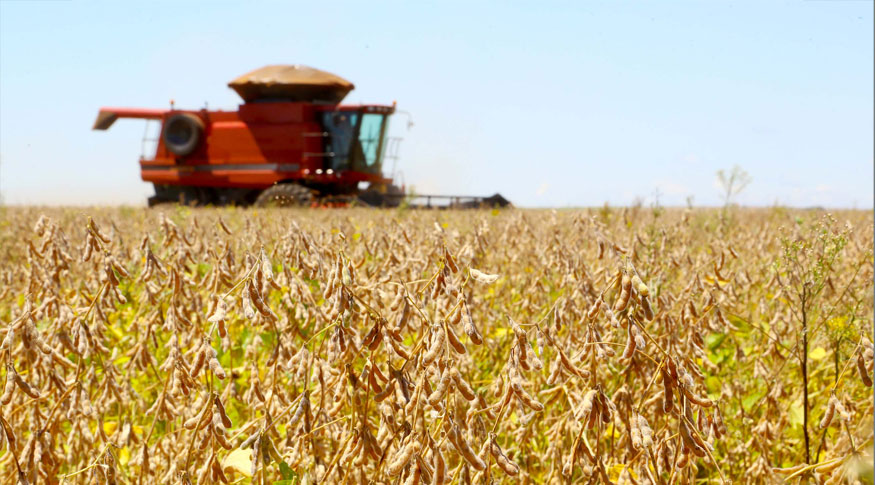
The increase of 11.7% of Agriculture in 2025 resulted, mainly, from increases in production and gains in productivity by several crops, especially corn (23.6%) and soybean (14.6%), which reached record figures in 2025. Livestock also accounted for a positive contribution.
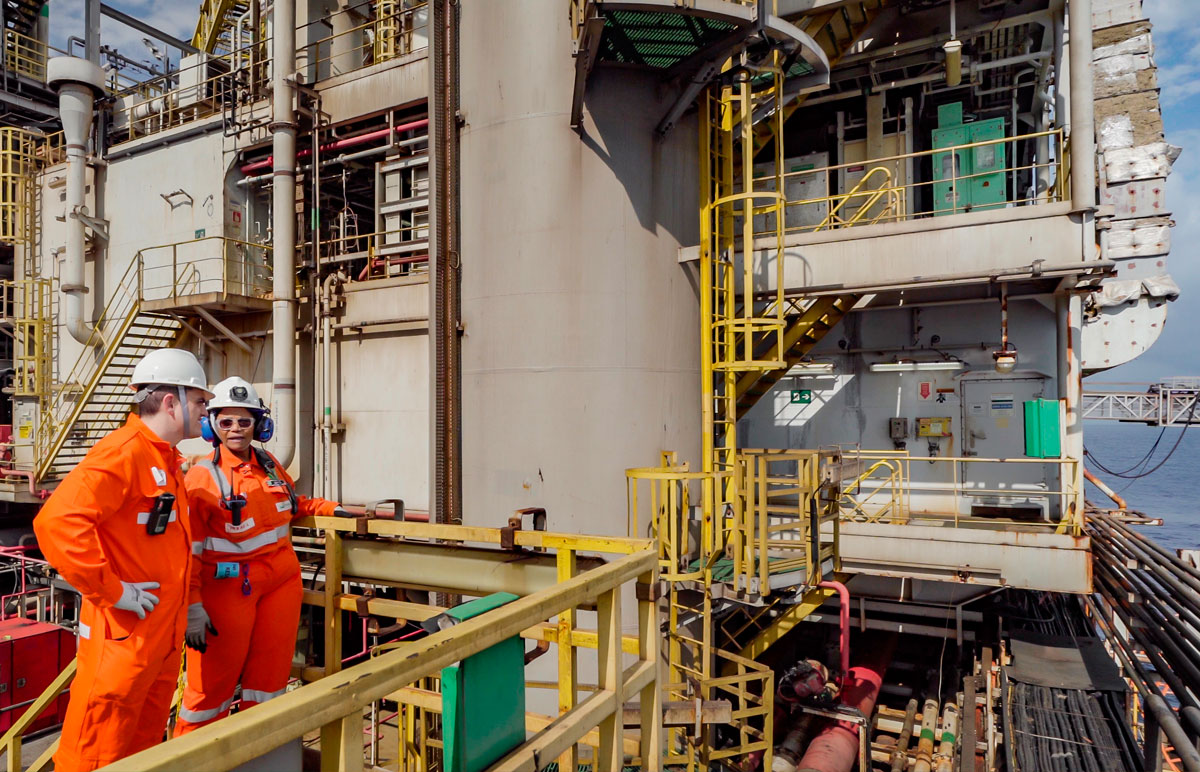
With a positive result in Industry, oils and gas extraction stood out, and contributed to the 8.6% increase of value aded of mining and quarrying industry. Another positive contribution came from Construction, which changed 0.5% in the year. On the other hand, Electricity and gas, water, sewage, residue management activities (-0.4%) and Manufacturing Industry (-0.2%) closed the year with negative changes.
The Services sector remained heated in 2025, with increases in all the activities: Information and communication (6.5%), Financial and insurance activities and related services (2.9%), Transportation, storage and mailing (2.1%), Other services activities (2.0%), Real estate activities (2.0%), Trade (1.1%) and Administration, defense, health and public education and social security (0.5%).
In 2025, household consumption decelerated from 2024
Household Consumption increased by 1.3% from 2024, with improvement in the labor market, the expansion of credit and governmental programs for income transfers. However, this rate represents deceleration in relation to the increase of 2024 (5.1%) mainly due to the adverse effects of the contractionary monetary policy. Household Consumption increased by 2.1%.
Gross Fixed Capital Formation, that is, volume of investments increased 2.9% in 2025, driven by the increase of capital goods and by software development, besides the increase of Construction industry. These positive contribution countereffected the decrease in the domestic production of capita, goods.
Th investment rate of 2025 was 16.8% of the GDP, against 16.9% in 2024. the savings rate was 14.4% in 2025, against 14.1% in 2024
GDP changed by 0.1% from Q3 2025
In Q4 2025, GDP changed by 0.1% from the previous quarter, in the seasonally adjusted series, remaining almost stable in this comparison. Services and Agriculture increased 0.8% and 0.5%, respectively. Industry dropped 0.7%.
Among the activities of industry, there were drops in Construction (-2.3%) and in Manufacturing Industry (-0.6%). On the other hand, Mining and quarrying Industry (1.1%) and Electricty and gas, water, sewage and residue management activities (1.5%) ad positive results.
In Services, there were positive changes in Financial and insurance activities and related services (3.3%), Information and communication (1.5%), Other service activities (0.7%), Administration, defense, public health and education and social security (0.4%). There was stability in Real estate activities (0.2%), and negative results in Trade (-0.3%) and Transportation, storage and mailing (-1.4%).
From the perspective of demand, Government Consumption increased 1.0%, whereas household Consumption was stable (0.0%) and Gross Fixed Capital Formation decreased 3.5%.
For Rebeca Palis, “GDP was stable from Q3, despite the drop in investments, due to the stability in household consumption and the increase in government consumption.”
More about the survey
The System of National Accounts presents, on a quarterly basis, the current values and volume indices for Gross Domestic Product (GDP) at market prices, net taxes on products, value added at basic prices, personal consumption, government consumption, Gross Fixed Capital Formation, inventory changes, exports and imports of goods and services.
At the IBGE, the survey began in 1988 and was restructured from 1998 onwards, when its results were integrated into the System of National Accounts, published annually. Consult the GDP data on Sidra. The next release of the Quarterly Accounts, relating to the 1st quarter of 2025, will be on May 29.
Saiba mais sobre o Sistema de Contas Nacionais Trimestrais – SCNT:
O que é o SCNT?
Série Histórica
Tabelas
Publicações