
IPCA-15
With increases in school tuition, preliminary inflation for February accelerates to 0.84%


February 27, 2026 09h00 AM | Last Updated: March 03, 2026 10h55 AM

The preliminary inflation rate (IPCA-15) accelerated from 0.20% in January to 0.84% in February, with the largest increase seen in the Education group (5.20% and 0.32 percentage points), due to increases in school and course fees that take place at the beginning of the school year. The Transportation group (1.72%) also stood out, with an impact of 0.35 percentage points on the index. The other groups fluctuated between -0.42% for Wearing apparel and 0.67% for Health and Personal Care.
In the year, the IPCA-15 accumulates an increase of 1.04% and, in the last 12 months, of 4.10%, below the 4.50% observed in the 12 preceding months. This is shown by the result of the Extended National Consumer Price Index 15 (IPCA-15), released today (27) by the IBGE.
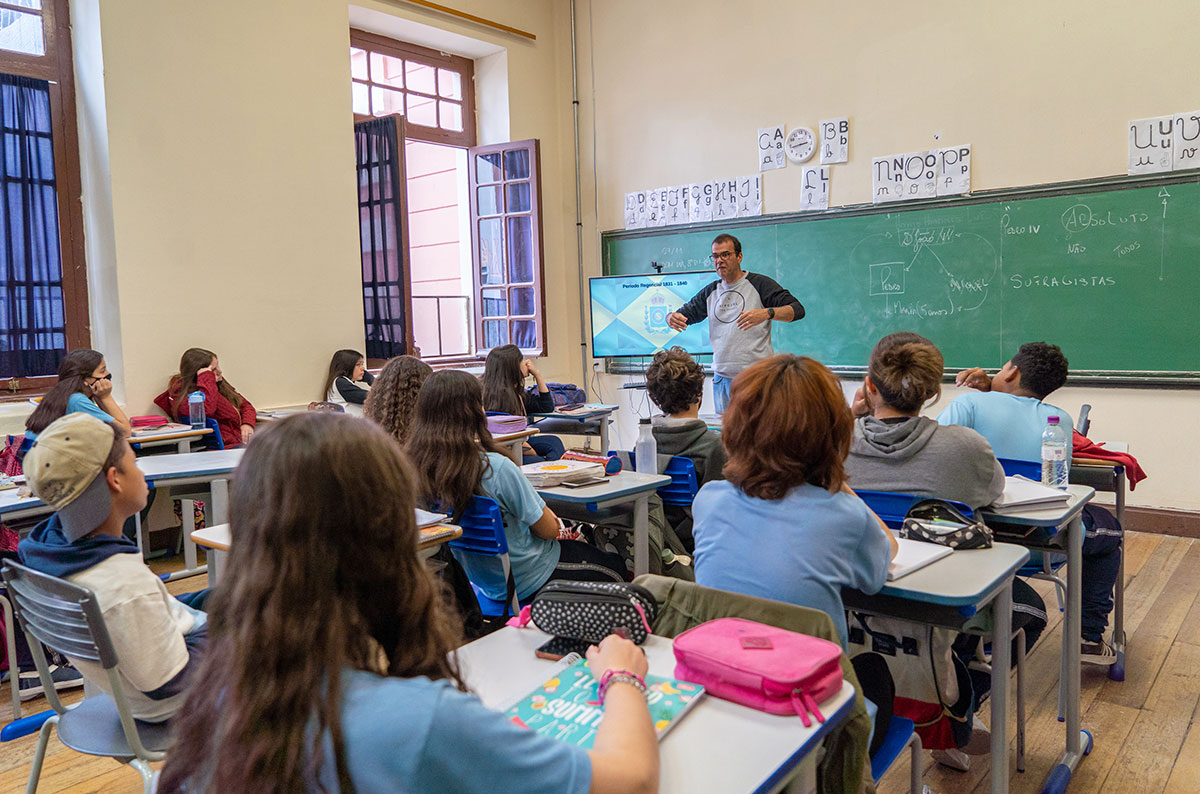
In the Education group (5.20%), the largest contribution (0.28 pp) came from regular courses (6.18%). The largest changes were recorded in the prices of secondary education (8.19%), primary education (8.07%) and preschool (7.49%).
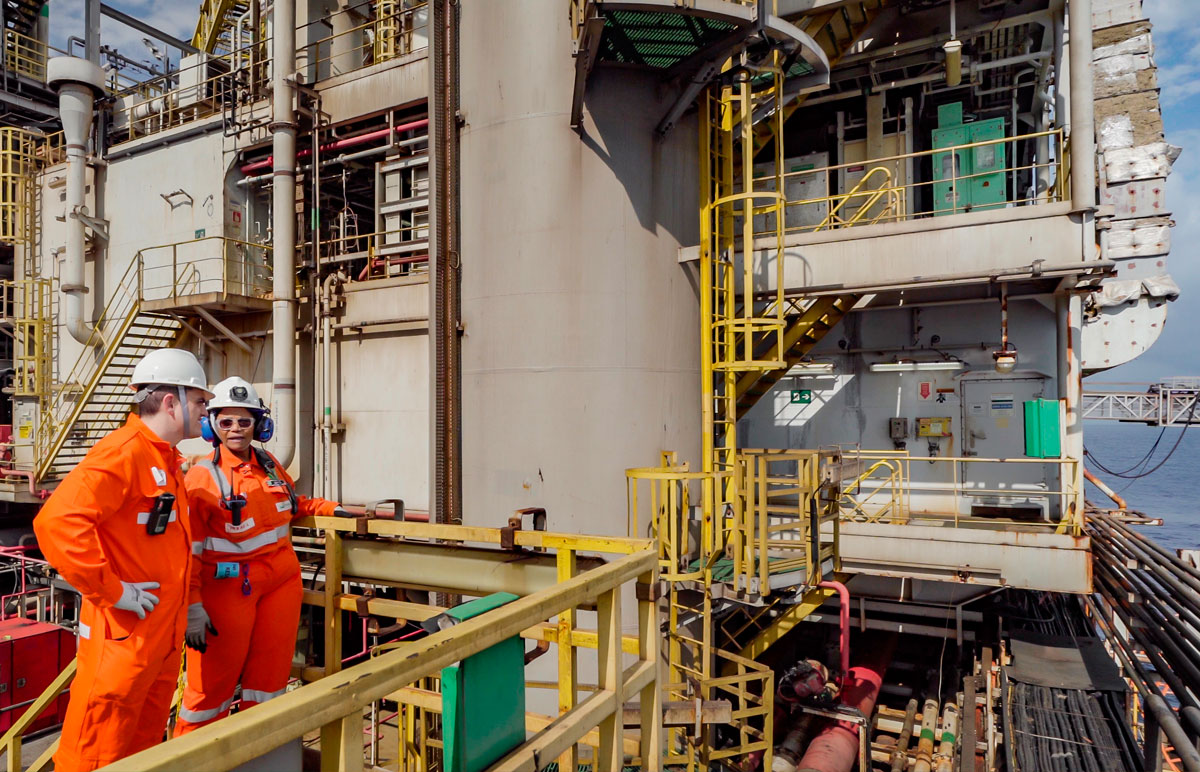
In the Transportation group (1.72% and 0.35 pp), the largest change was in airfares, which increased by 11.64%. Fuel prices rose 1.38%, with increases in ethanol (2.51%), gasoline (1.30%), and diesel fuel (0.44%), while vehicular gas showed a negative result of 1.06%. The urban bus sub-item showed a change of 7.52% due to adjustments in 6 of the 11 areas surveyed, while subway registered a rate of 2.22%.
In the Health and Personal Care group (0.67% and 0.09 pp), the highlights were personal hygiene items and health insurance plan, which rose 0.91% and 0.49%, respectively.
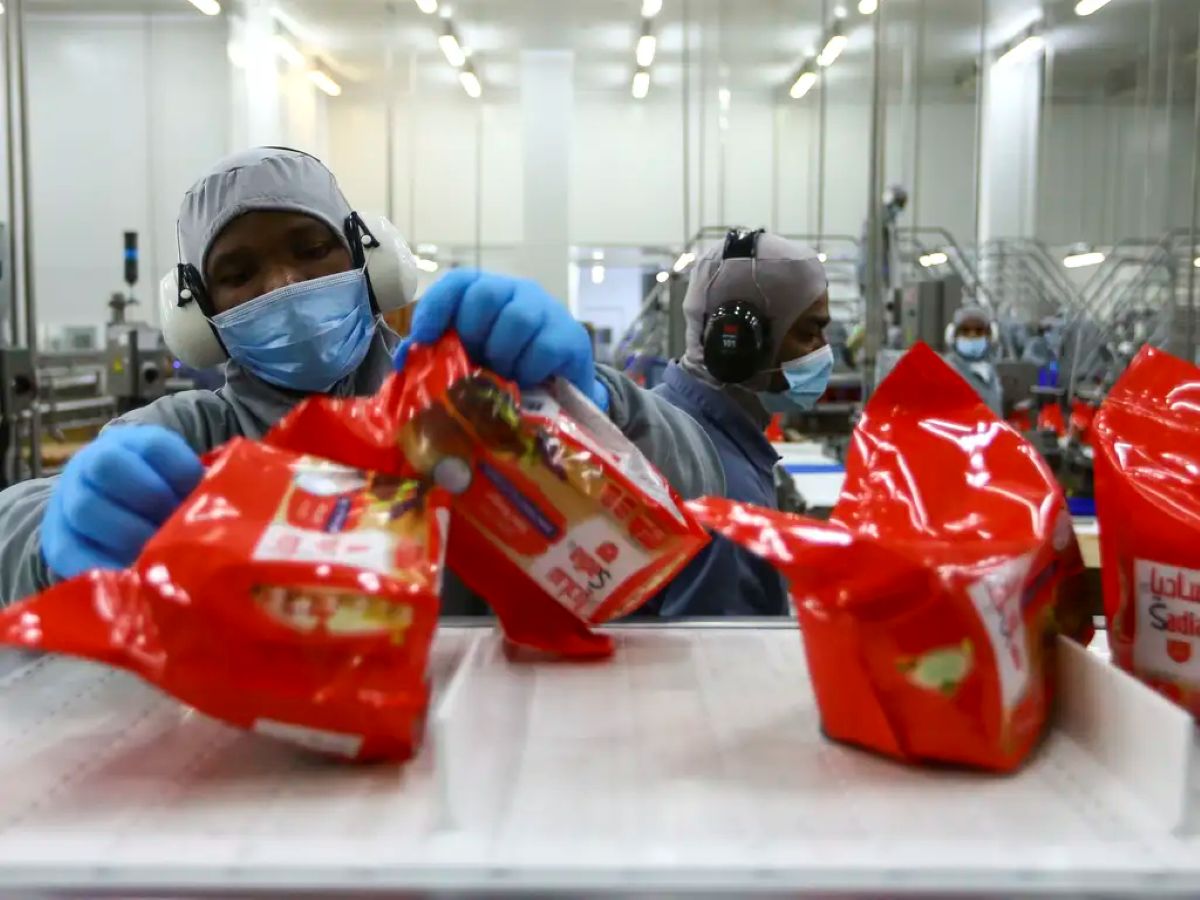
In the Food and Beverages group (0.20% and 0.04 pp), food at home increased 0.09% in February, below the January result (0.21%). The main positive changes were recorded in tomatoes (10.09%) and meat (0.76%), while on the downside, rice (-2.47%), chicken pieces (-1.55%), and fruits (-1.33%) stood out. Food away from home registered a greater change than food consumed at home: 0.46%, with increases in meals (0.62%) and snacks (0.28%).
The Housing group increased by 0.06% in February, after decreasing by 0.26% in January, with notable results in water and sewage rates (1.97%) and residential rent (0.32%). On the other hand, residential electricity (-1.37%) was the subitem with the greatest negative impact on the index (0.06 percentage points). During the month, the applicable tariff flag was the green one, with no additional cost for consumers. Water and sewage rates increased by 1.97%, while the piped gas sub-item registered a 0.71% decrease in tariffs.
São Paulo had the highest change in the IPCA-15 in February
Regarding regional indices, the highest change was observed in São Paulo (1.09%), due to increases in the subitems airfares (16.92%) and regular courses (6.34%), particularly in primary education (8.32%). The lowest result occurred in Recife (0.35%) due to decreases in app-based ride-hailing transportation (-10.34%) and residential electricity (-2.32%).
For the calculation of the IPCA-15, prices were collected in the period from January 15, 2026 to February 12, 2026 (reference) and compared with those in effect from December 13, 2025 to January 14, 2026 (base). The indicator refers to families with incomes ranging from 1 to 40 minimum wages and covers the Metropolitan Areas of Rio de Janeiro, Porto Alegre, Belo Horizonte, Recife, São Paulo, Belém, Fortaleza, Salvador, and Curitiba, as well as Brasília and the municipality of Goiânia. The methodology used is the same as the IPCA's (Extended Consumer Price Index), the difference being in the period of price collection and the geographical scope. The next release of the IPCA-15, relative to March, will be on the 26th of the same month.
Learn more about the Extended National Consumer Price Index 15