
Monthly Continuous PNAD
In quarter ended in November, unemployment fell to 5.2%, the lowest rate since 2012


December 30, 2025 09h00 AM | Last Updated: December 30, 2025 01h34 PM
The Continuous National Household Sample Survey (Continuous PNAD) for the quarter ending in November 2025 recorded the lowest unemployment rate since 2012, the beginning of the survey: 5.2% of the country's workforce. This indicator has been successively showing the lowest rates in the time series since the quarter ending in June 2025.
In the quarter ended in November, the Continuous PNAD found 5.644 million persons seeking work, the lowest number of unemployed ever recorded by the survey. Throughout the time series, the largest number of unemployed persons occurred in the quarter ending in March 2021, at the height of the COVID-19 pandemic, when this indicator reached 14.979 million persons.
The lowest unemployment rate in the time series was accompanied by a new record in the number of employed persons in the country: 103.0 million. With this, the employment rate, that is, the proportion of persons aged 14 or older who were working, reached the highest percentage in the time series of the Continuous PNAD : 59.0%.
According to Adriana Beringuy, coordinator of Household Sample Surveys at the IBGE, “maintaining the workforce at a high level throughout 2025 has ensured a reduction in the pressure to seek work, considerably reducing the unemployment rate.”
Labor underutilization rate falls to 13.5%, the lowest in the series
Measures of labor force underutilization also showed a positive picture. The composite underutilization rate fell to 13.5%, the lowest in the series, decreasing in both comparisons: -0.6 percentage points compared to the previous quarter (14.1%) and -1.7 percentage points compared to the same quarter of 2024 (15.3%).
The underutilized population reached 15.4 million, the lowest number since the quarter ending in December 2014 (15.3 million), declining in both comparisons: -3.9% (627,000 fewer persons) in the quarter and -11.9% (2.1 million fewer persons) in the year.
Public administration drives employment increase in the quarter
Compared to the previous moving quarter, the only activity group with a significant increase in employed persons was Public administration, defense, social security, education, human health and social services, with a rise of 2.6%, or 492,000 more persons employed. The other nine groups remained stable.
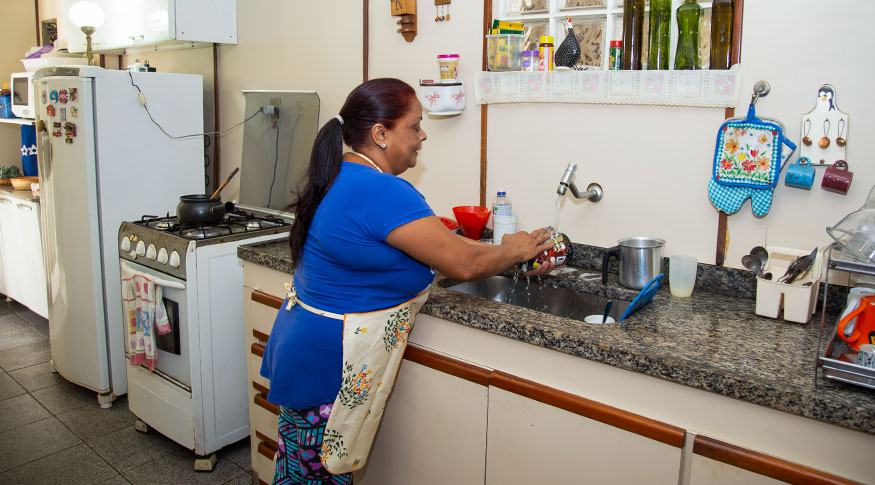
Compared to the same moving quarter of 2024, employment grew in two groups: Transportation, storage and mailing (3.9%, or 222,000 more persons) and Public administration, defense, social security, education, human health and social services (5.6%, or 1 million more persons). In the Domestic services group, employment fell by 6.0%, equivalent to 357,000 fewer workers. The remaining groups showed stability.
“Occupations associated with Education and Health service activities were those that contributed most to the expansion of employment in the quarter,” notes Ms. Beringuy.
Informality rate was 37.7% in the quarter
The informality rate (proportion of informal workers in the employed population) was 37.7% of the employed population (or 38.8 million informal workers). This rate was below the 38.0% (or 38.9 million) observed in the quarter ending in August and was also lower than the 38.8% (or 39.5 million) reached in the quarter ending in November 2024.
The negative change in informality was influenced by the new record in the number of workers with formal contracts, which reached 39.4 million, showing stability compared to the previous quarter and an increase of 2.6% (or 1.0 million more workers with formal contracts) in the year. The number of employed persons in the public sector (13.1 million) was also a record, with an increase of 1.9% (250,000 more persons) in the quarter and 3.8% (484,000 more persons) in the year.
Meanwhile, the number of workers without formal contracts in the private sector was 13.6 million, showing stability in the quarter and falling 3.4% (486,000 fewer persons) in the year. On the other hand, the number of self-employed workers reached 26.0 million, a new record in the time series. In the quarterly comparison, this contingent remained stable, but grew by 2.9% (or 734,000 more persons) in the year.
Wage bill grows almost R$ 20 billion in one year
The average usual real earnings of the country's employed population reached a new record: R$ 3,574, growing 1.8% in the quarter and 4.5% compared to the same moving quarter of 2024, already discounting the effects of inflation.
In the quarter, the record income was driven by a 5.4% increase in the average earnings of workers in Information, Communication and Financial, Real Estate, Professional and Administrative Activities. In the annual comparison, there were gains in five activities: Agriculture and livestock (7.3%), Construction (6.7%), Information, Communication and Financial Activities (6.3%), Public administration (4.2%) and Domestic services (5.5%).
With record highs in average earnings and number of workers, the usual real wage bill also reached a new record: R$ 363.7 billion, with increases of 2.5% (an additional R$ 9.0 billion) in the quarter and 5.8% (an additional R$ 19.9 billion) in the year.
Adriana Beringuy explains that, “the quantitative gains in the labor market, through record numbers of employed persons, have been accompanied by an increase in the average real income received by this growing employed population. The combination of job and income expansion drives the total income from labor in the economy.”
More about the survey
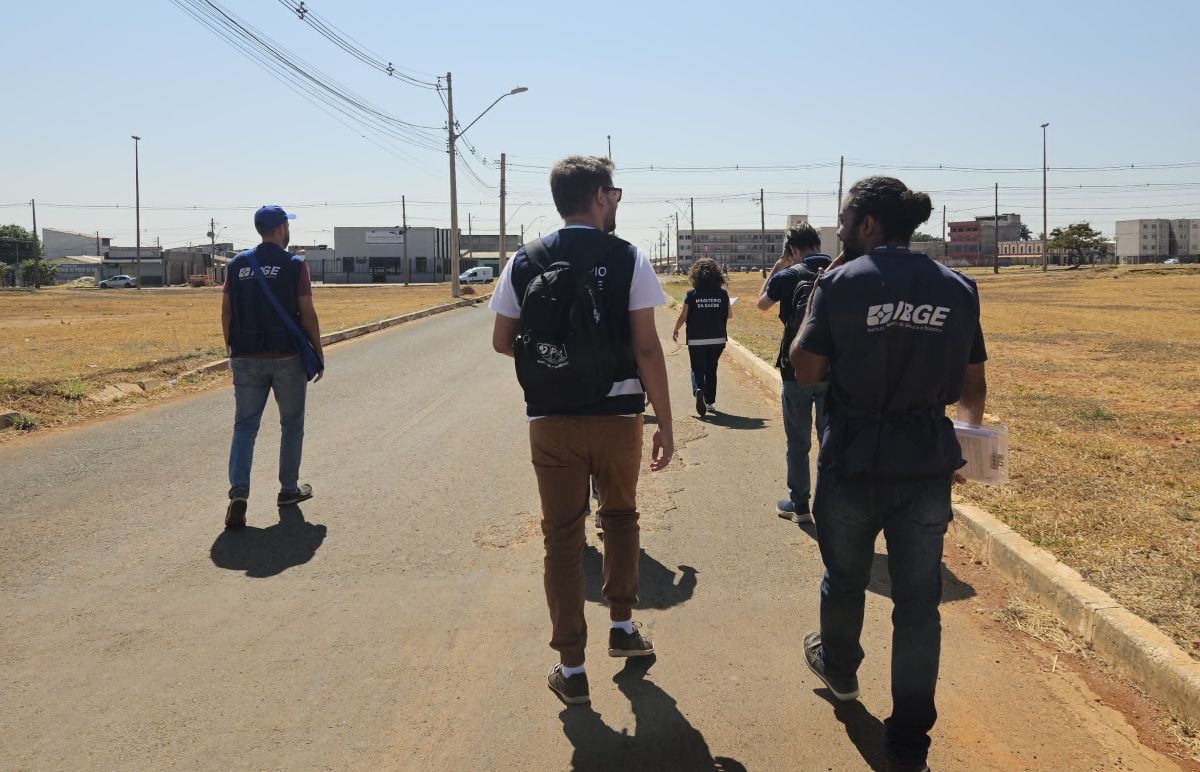
The Continuous PNAD is the main survey on the Brazilian labor force. Its sample covers 211,000 households, spread across 3,500 municipalities, which are visited every quarter. Approximately two thousand interviewers work on this survey, integrated with more than 500 IBGE agencies throughout the country.
Due to the Covid-19 pandemic, the IBGE implemented telephone data collection for the survey starting on March 17, 2020. In July 2021, in-person data collection was resumed.
It is possible to confirm the interviewer's identity on the IBGE's "Respondendo ao IBGE" website or via the call center (0800 721 8181), by checking the interviewer's registration number, ID, or CPF (Brazilian tax identification number), information that can be requested by the respondent.
You can consult PNAD data on Sidra. The next release of the Monthly Continuous PNAD, referring to the quarter ending in November, will be on January 30, 2026.