
In DF
IBGE carries out Free consultation workshop on Traditional Peoples and Communities in Brasília


June 11, 2026 02h12 PM | Last Updated: June 17, 2026 12h01 PM
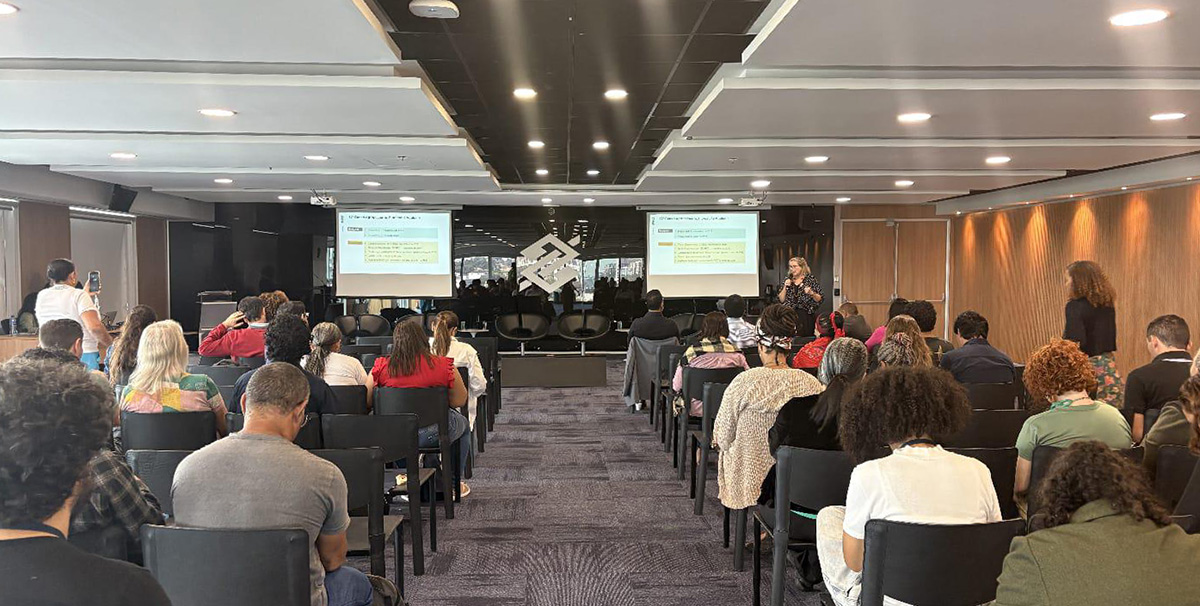
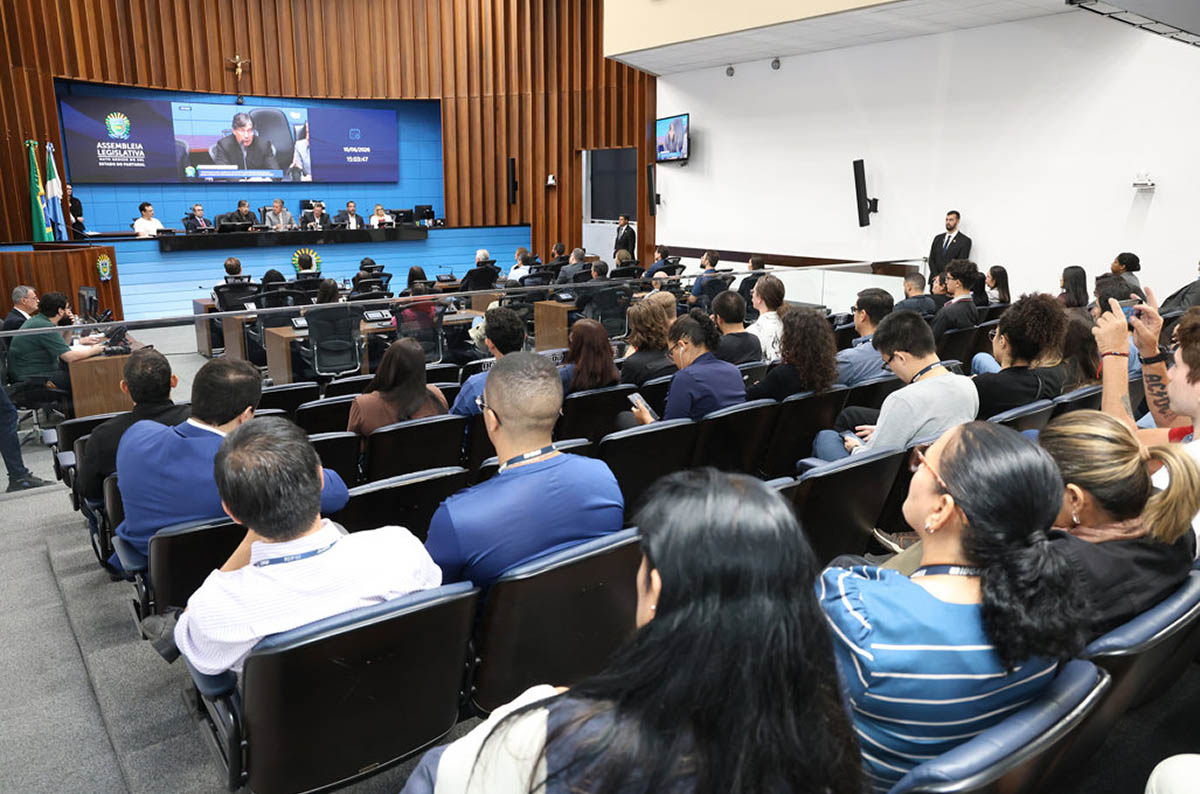
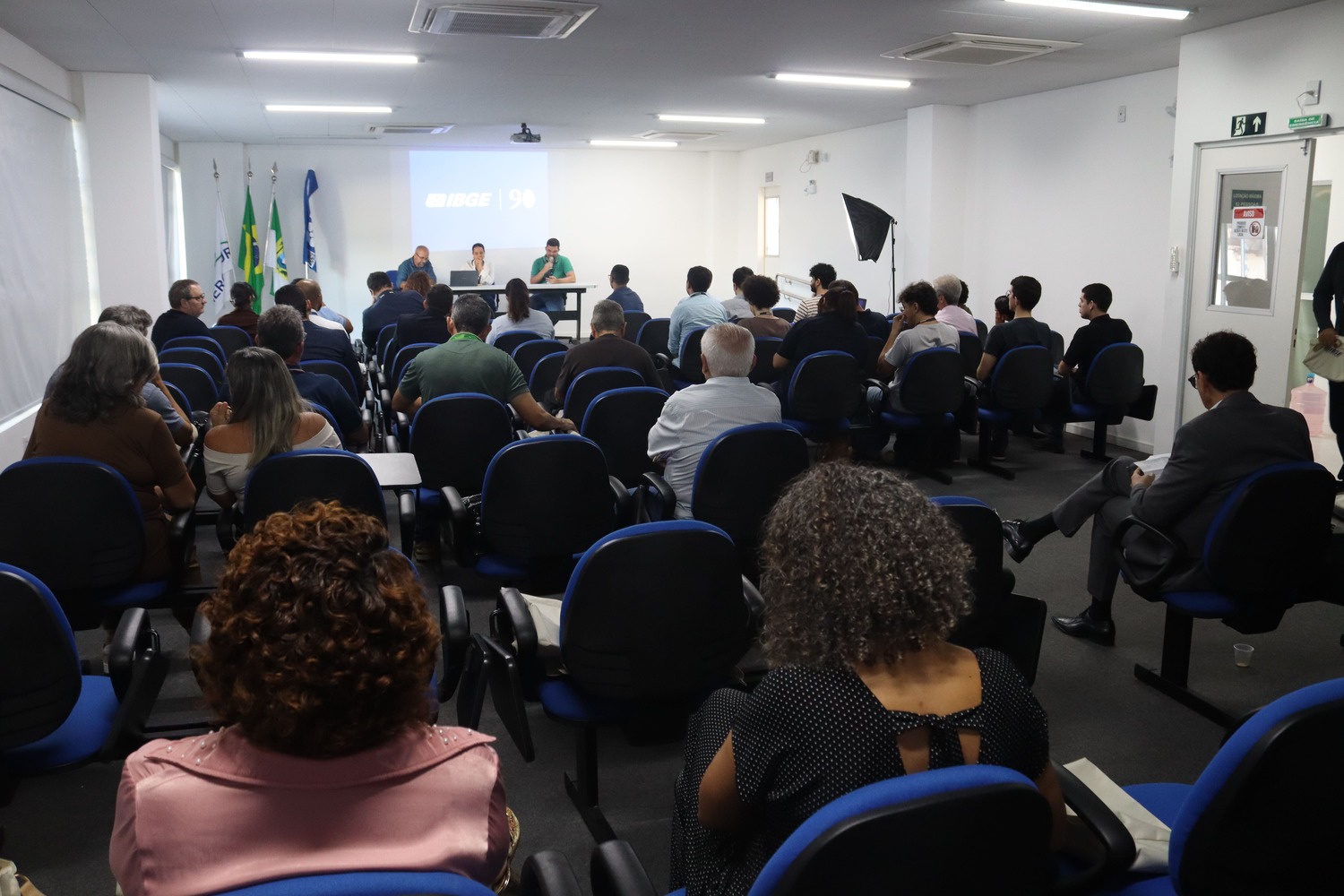
The Free, Prior and Informed Consultation Workshop for the National Council of Traditional Peoples and Communities (CNPCT) began this Wednesday morning (June 10th) in Brasília, with the aim of evaluating the progress in the census mapping process and the implementation of the second pilot test of the 12th Census of Agriculture, Forestry and Aquaculture. The event will be attended by two representatives from each segment of traditional peoples and communities, and will take place at the Banco do Brasil building, located in Asa Norte, on June 10th, 11th and 12th.
The Workshop's main objectives are: to present the progress of census mapping and obtain feedback from participants on necessary improvements and contacts of regional and local leaders for unmapped areas; to present the evaluation of the second pilot test of the 12th Census of Agriculture, Forestry and Aquaculture, indicating whether changes will be necessary for the Experimental Census; and to make video recordings with the leaders present to support training materials and dissemination of the census.
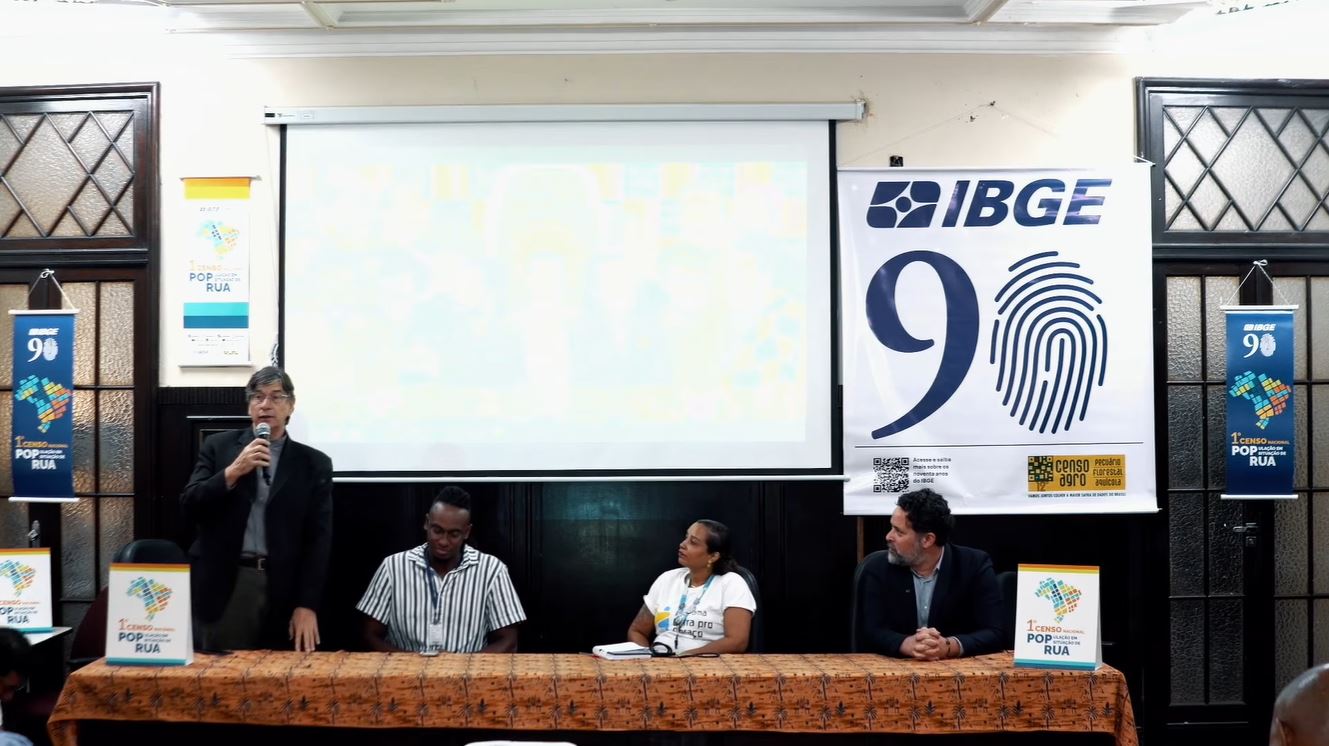
Opening panel
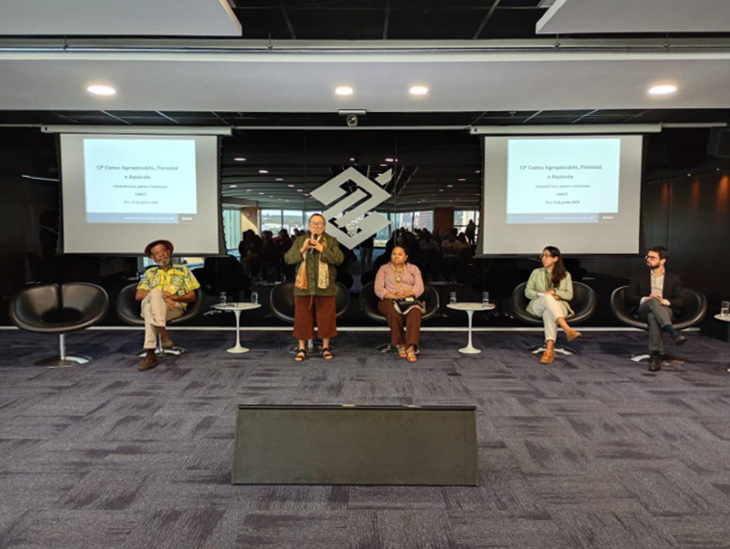
According to Gustavo Junger, Director of Surveys at the IBGE, holding the workshop is important for IBGE's mission itself: “There is no way to portray Brazil with information that allows us to understand its reality, enabling Brazilians to exercise their citizenship, without expanding information about traditional peoples and communities. Brazil is a country with incredible diversity. There are more than twenty traditional peoples and communities, and the IBGE is indeed committed to representing traditional populations and advancing their representation in official statistics,” he states.
Cláudia de Pinho, manager at the Ministry of the Environment, highlighted the relevance of this initiative: “It is a gain for the institution, but it is also a much greater gain for Brazil when it includes traditional peoples and communities as protagonists of this visibility. Being included in statistical data and within the census of agriculture, forestry, and aquaculture certainly places traditional peoples and communities on a new political and management level within the federal government,” she adds.
According to the manager of traditional territories, Maria Giulia, the main objective of the workshop is: “To consult with the leaders of the Traditional Peoples and Communities (PCTs) through the National Council of Traditional Peoples and Communities to confirm and bring new updates to the mapping of these peoples to be edited in the IBGE territorial database for the purpose of conducting the 12th Census of Agriculture, Forestry and Aquaculture,” she explains. The main challenge, according to Maria Giulia, is the lack of a database that includes all 28 traditional communities and peoples.
Traditional Peoples and Communities present
Among the peoples who participated in this first day of the workshop were representatives of the Caiçara, Pantanal, Pomeranian, herbalist, Caatinga, coastal and marine wild-crop harvesting communities, Gypsies, Indigenous peoples, and Afro-Brazilian religious groups and Afro-Brazilian communities.
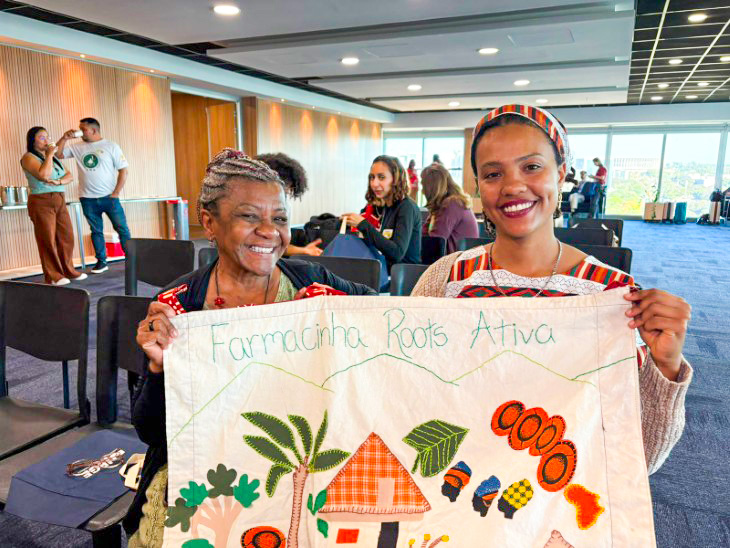
Alice Silva, from Belo Horizonte (MG), is a representative of the Pacari network and the Roots Ativa collective group. She participated in the dialogue with the IBGE on behalf of her community and highlighted the importance of the initiative to strengthen the grassroots work developed by traditional healers: “This movement is of great importance to strengthen those who already carry out this grassroots work. May we continue this journey with even more strength,” she wishes.
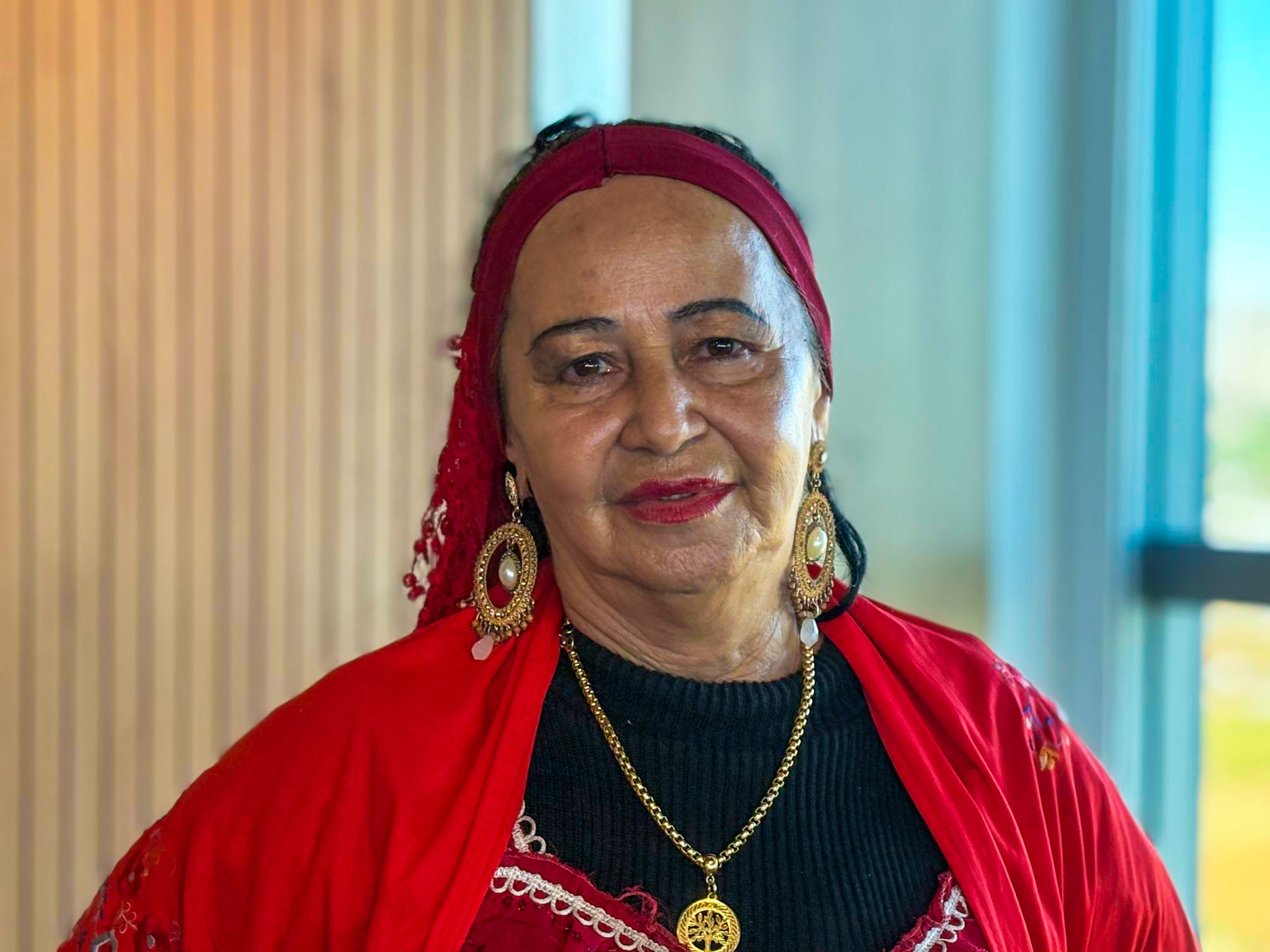
Representative of the Calin Roma community, Ms. Maura Ney Piemonte, was happy with the inclusion of her people in the census: “I am very grateful to be participating here, because we have been in Brazil for quite some time and have never been counted. This is our opportunity to say ‘I exist.’ We are Brazilians of Roma origin,” declares Ms Piemonte.
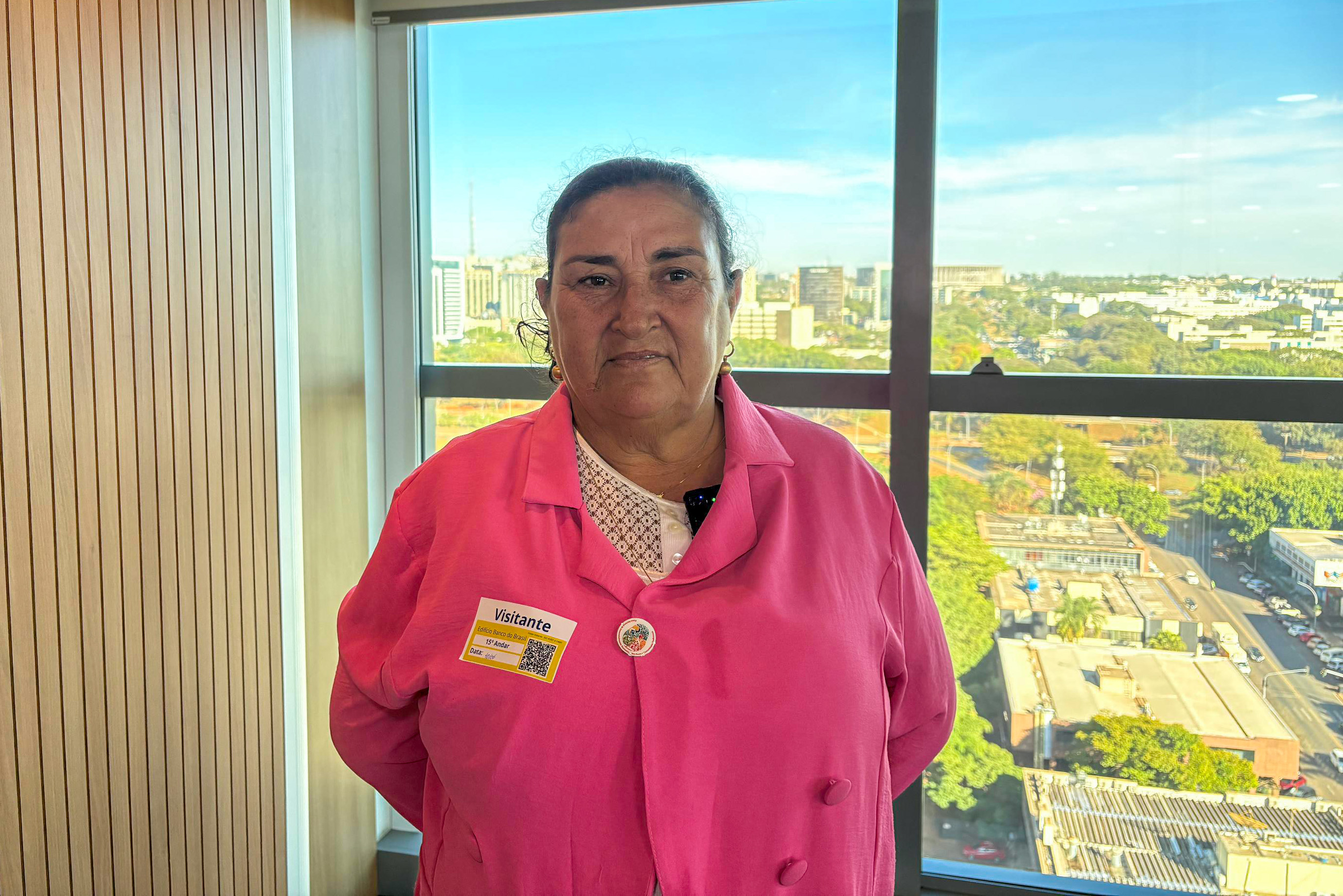
Vera Lúcia Batista, leader of the Pantanal volunteer brigade in Corumbá, Mato Grosso do Sul, reveals her expectations for the workshop: “In these three days, I want to gain knowledge to take back to my community. I also think it's very important to conduct the census within our community, and I'm very happy to participate in this workshop,” she states.
Cipozeiros and Cipozeiras (Liana craftworkers)
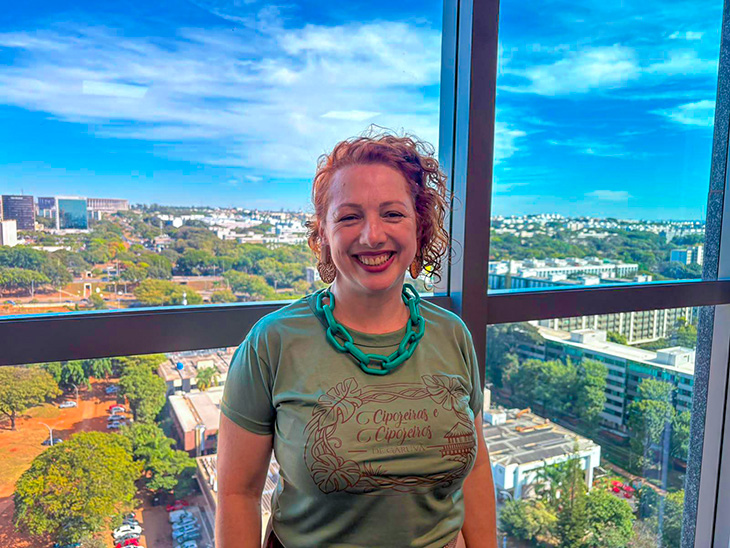
Crafts made from liana support communities in Garuva (SC) and other locations along the Paraná coast both economically and culturally. Sustainably harvested from the Atlantic Forest using a technique known as "coxar," the liana undergoes a lengthy process before being transformed into handcrafted pieces. However, the activity faces challenges such as difficult access to the forest and the aging of the master harvesters, who hold the traditional knowledge of plant management.
Vilma Fernandes Hernaski, a liana craftswoman, highlighted the importance of community organization and of conducting an agricultural census to give visibility to the group. "It's essential to know where we are and what our needs are," she stated. According to her, the survey can increase the representation of artisans and strengthen the pursuit of rights and public policies, especially given the difficulties in accessing harvesting areas. Created in March of this year, the local association also relies on workshops and product diversification as strategies to preserve the craft, generate income, and ensure the continuity of this tradition.
The strength of women artisans and the transmission of knowledge related to the cipó-imbé (liana) were also celebrated with poetry during the meeting. Ms. Fernandes highlighted the role of women as guardians of this knowledge. “They blazed trails, wove stories with the cipó-imbé. Living art that transcends generations. Each braid, each knot, a narrated struggle. Each line, each form, a preserved memory. Artisan women, guardians of knowledge, with the cipó-imbé, we will weave our history,” she recited.
Wild-crop harvesters of Marajó
Despite increasingly gaining ground, female wild-crpo harvesters still demand greater representation in decision-making processes and envision a census that reflects the reality of traditional peoples through data collection also done by the residents themselves, since there are bottlenecks such as sanitation, production trade and flow that are better understood by the community.
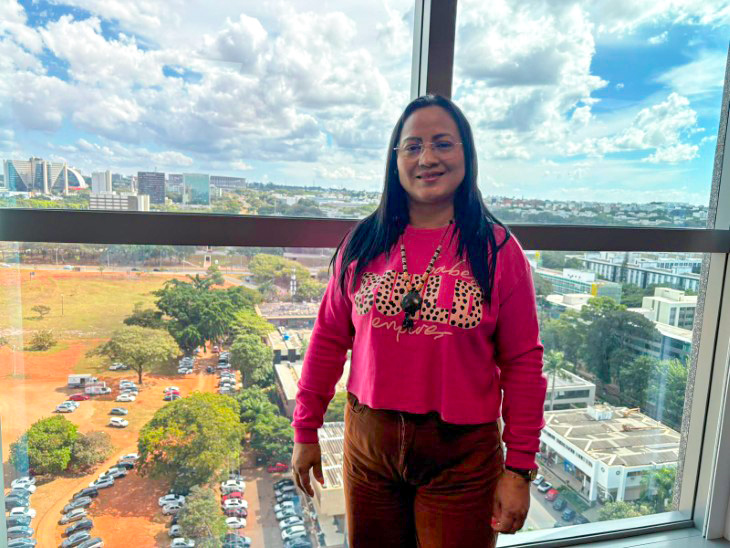
Local leaders defended the inclusion of the community in the survey: “So, for me, the Census has to support all segments, whether wild-crop harvesters, fishermen, riverside communities, in short, all segments. Our strong point is the harvesting of açaí, and this step, of participating in the census of agriculture, is very important for us to move forward,” emphasized Ms. Paixão.
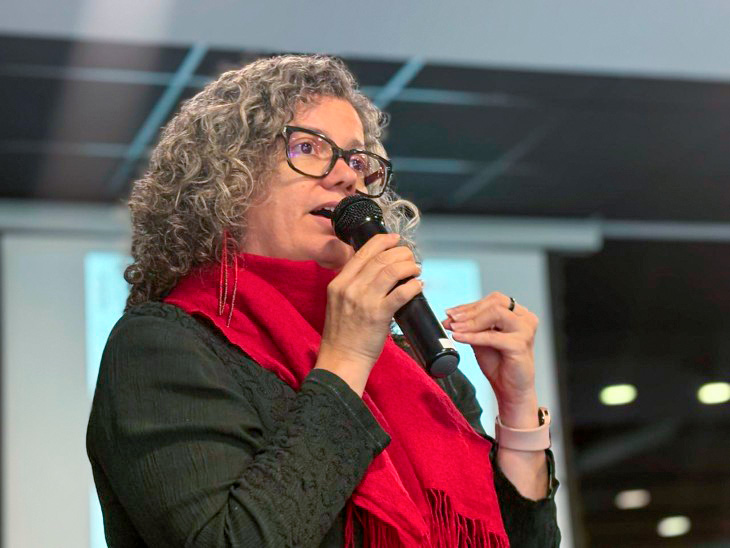
During her presentation, Marta Antunes, manager of Traditional Peoples and Communities and Specific Population Groups, highlighted that the IBGE will make its agencies available to provide support during the registration process for those interested in participating in the selection process for the Census of Agriculture. She also informed that the date of the selection process will be announced to community leaders, with the aim of increasing the participation of diverse segments, peoples, and communities.