
Monthly Survey of Trade
In April, retail sales retreat 1.5%


June 16, 2026 09h00 AM | Last Updated: June 16, 2026 10h42 AM
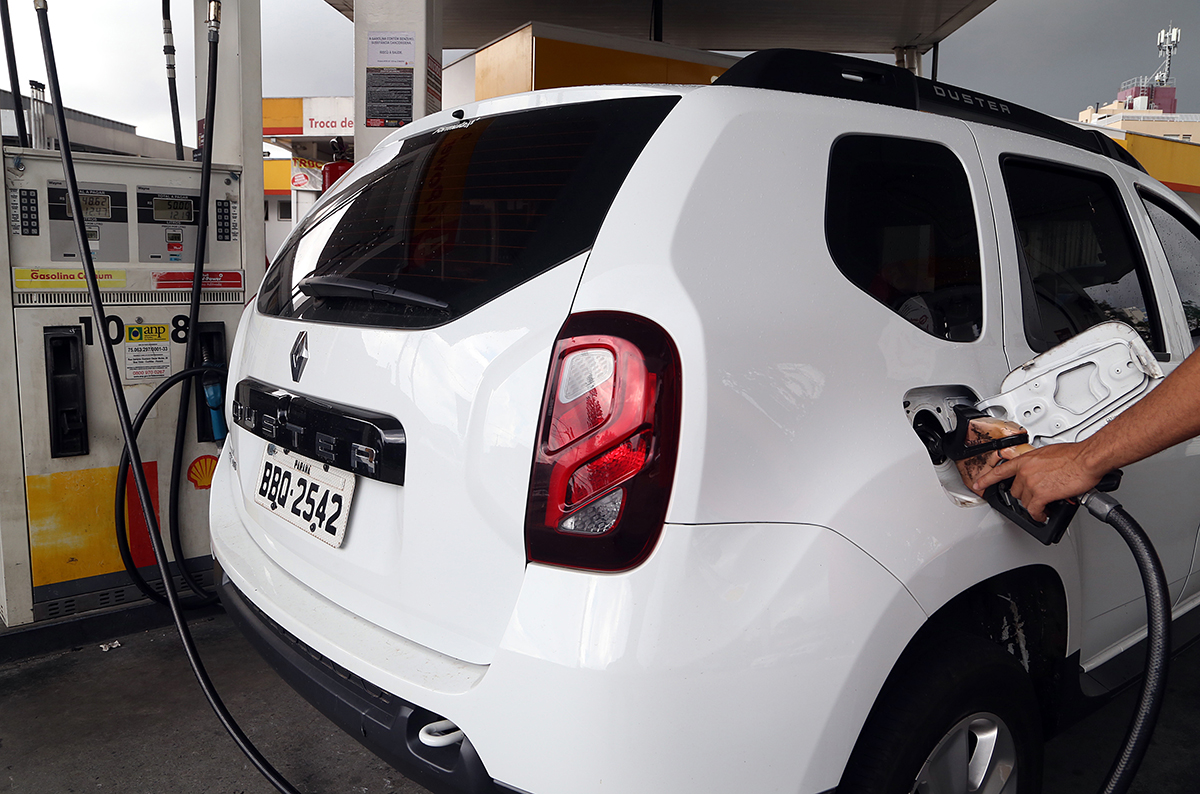
In the seasonally-adjusted series, the Brazilian retail trade sales volume fell 1.5% in April compared to March, pressured by the activity of Fuels and lubricants. In comparison with the same month of the previous year, retail trade registered an increase of 1.0%. In the year, the sector accumulates an increase of 2.0% and, in the last 12 months, of 1.5%.
The evolution of the quarterly moving average for retail in the quarter ending in April remained stable (0.0%), after an increase of 0.7% in the quarter ending in March. The data comes from the Monthly Survey of Trade (PMC), released this Tuesday (16) by the IBGE.
In March, the sector registered an increase of 0.7%. The PMC manager, Cristiano Santos, highlights that retail sales have fallen after months of positive results.
“The first three months, on the margin, saw a significant growth, to the point of raising the level of trade to a historical record level. Therefore, there is a base effect, when an additional positive change is of less susceptibility,” states him.
Sales of six out of eight activities surveyed retreated: Fuels and lubricants (-6.2%), Other articles for personal and domestic use (-4.6%), Office, computer and communication equipment and material (-4.5%), Furniture and household appliances (-0.8%), Fabric, wearing apparel and footwear (-0.1%) and Pharmaceuticals, medical and orthopedic articles and toiletries (-0.1%).
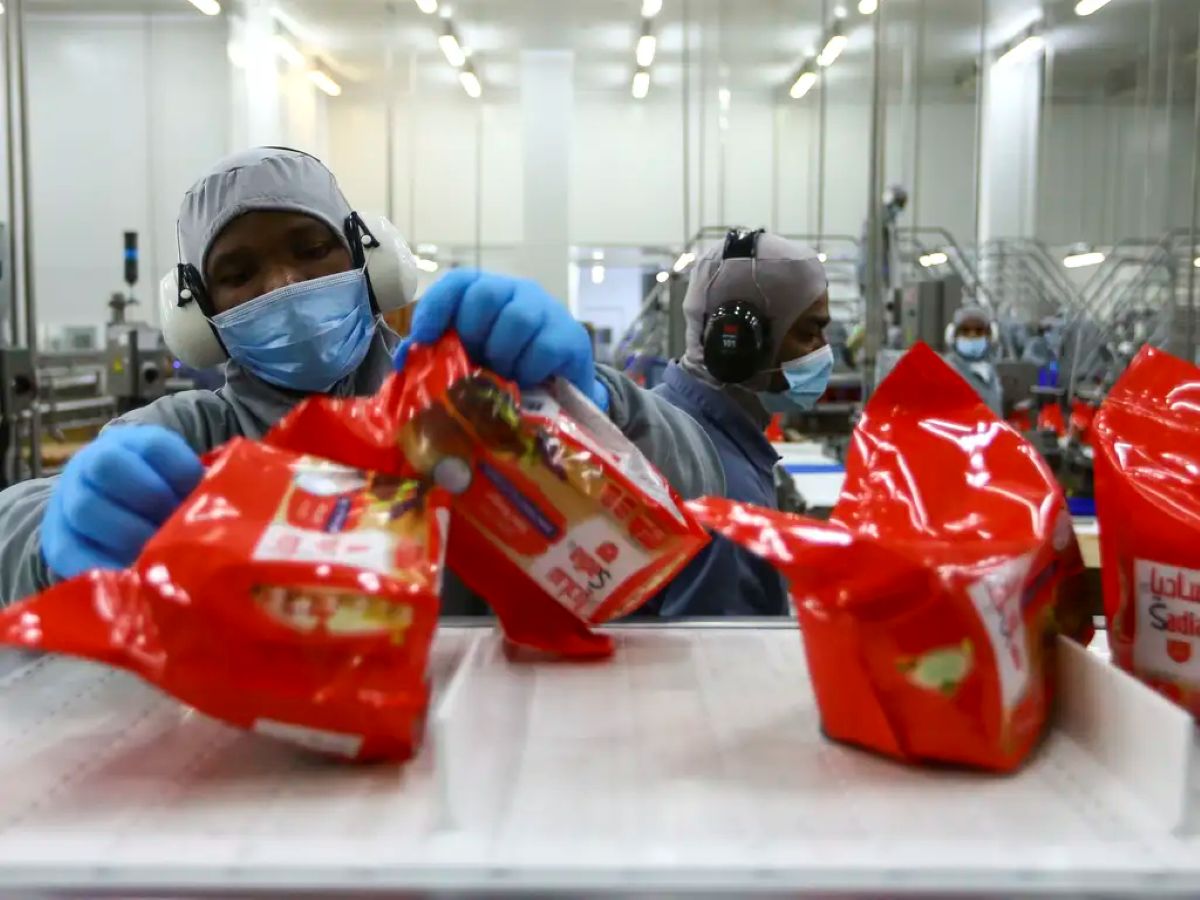
On the positive side, the highlights were Hypermarkets, supermarkets, food products, beverages and tobacco (1.3%), which has the greatest weight in the index, and Books, newspapers, magazines and stationery (1.1%).
“There was a general decline in the indicator. What was pushing the index upward
Extended retail drops 0.7% in April
Considering the extended retail trade, which includes the activities of Vehicles, motorcycles, parts and pieces; Construction material; and Wholesale specializing in food products, beverages and tobacco, volume of sales fell 0.7% in April compared to the previous month, after registering stability (0.0%) in March 2026.
The quarterly moving average for the extended retail changed by 0.1% in the quarter ended in April.
Compared to April 2025, five activities show increases
In the comparison between April 2026 and the same month last year, five activities showed increases, two remained in the negative field and one remained stable: Office, computer and communication equipment and material (6.5%), Pharmaceuticals, medical and orthopedic articles and toiletries (4.5%), Furniture and household appliances (2.6%), Fuels and lubricants (1.6%), Hypermarkets, supermarkets, food products, beverages and tobacco (0.9%), Books, newspapers, magazines and stationery (0.0%), Fabric, wearing apparel and footwear (-2.5%) and Other articles of personal and domestic use (-3.0%).
The activity of Pharmaceuticals, medical and orthopedic articles and toiletries recorded an increase of 4.5% compared to April 2025, the thirty-eighth consecutive point in the positive field. In relation to April 2025, this activity registered the second largest positive contribution to the retail result, adding 0.4 percentage points (p.p) to the total of 1%.
The sector of Hypermarkets, supermarkets, food products, beverages and tobacco grew 0.9% in volume of sales compared to April 2025, the sixth consecutive result in the positive field. On this basis of comparison, this activity exerted the greatest positive contribution to the retail result, adding up to 0.5 p.p. to a total of 1.0%
“In the longer term, these two activities continue an almost constant growth trajectory. There is expansion in pharmaceuticals, not only in revenue, but also in the number of stores open. Hypermarkets and supermarkets are in the same line, albeit with less intensity,” highlights Santos about the two activities that registered the greatest contribution to the index on an annual comparison basis.
The positive reading also appeared in the extended retail, with two sectors with rates in the positive field: Vehicles and motorcycles, parts and pieces (2.6%) and Wholesale specializing in food products, beverages and tobacco (2.0%). The activity of Construction material (0.0%) remained stable.
Retail has negative rates in 20 out of 27 Federation Units
Compared to March, in the seasonally-adjusted series, retail trade recorded negative results in 20 out of 27 Federation Units, with emphasis on: Piauí (-3.9%), Goiás (-3.8%), Santa Catarina (-3.6%) and Amazonas (-3.6%).
In the positive field, there are 6 out of 27 Federation Units, with emphasis on Roraima (1.8%), Tocantins (1.6%) and São Paulo (1.3%). Rio Grande do Sul (0.0%) remained stable.
For the same basis of comparison, the extended retail trade registered negative results in 20 out of 27 Federation Units, with emphasis on: Rondônia (-5.5%), Amazonas (-4.9%), Tocantins (-4.0%) and Paraná (-4.0%).
On the other hand, in the positive field, seven out of 27 Federation Units appeared, with emphasis on Rio Grande do Sul (3.2%), Goiás (3.1%) and Maranhão (2.2%).
Find out more about the Monthly Survey of Trade – PMC:
What is the PMC?
Time Series
Tables
Publications