
CENSUS OF AGRICULTURE
Bahia begins pre-test of Census of Agriculture collecting in 80 establishments; participation of leaders of traditional peoples


December 03, 2025 09h43 AM | Last Updated: December 03, 2025 04h45 PM
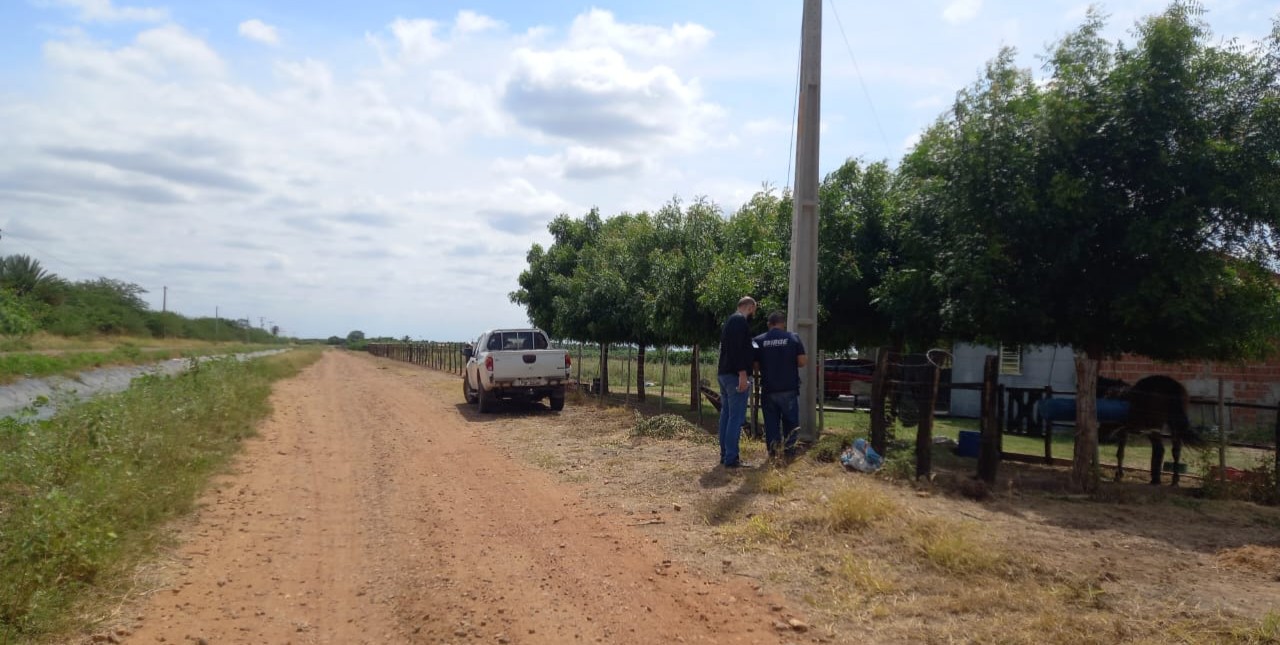
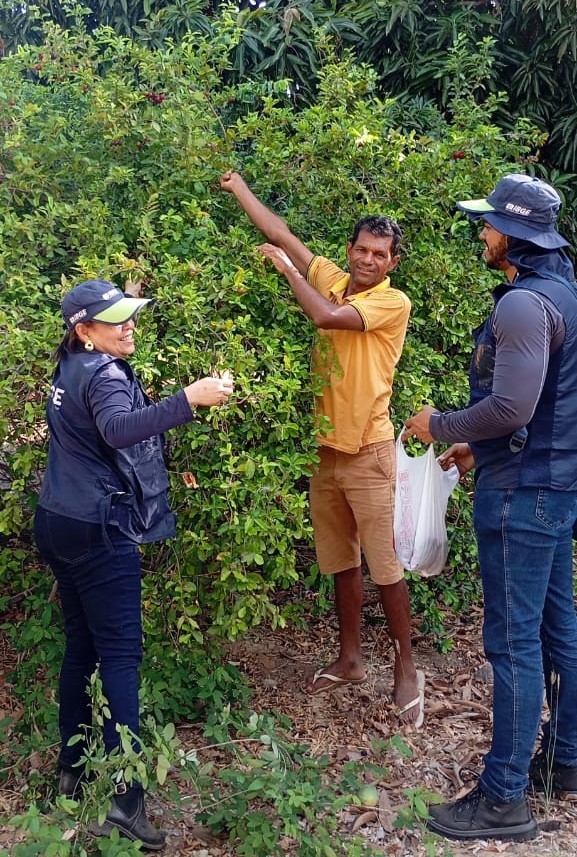
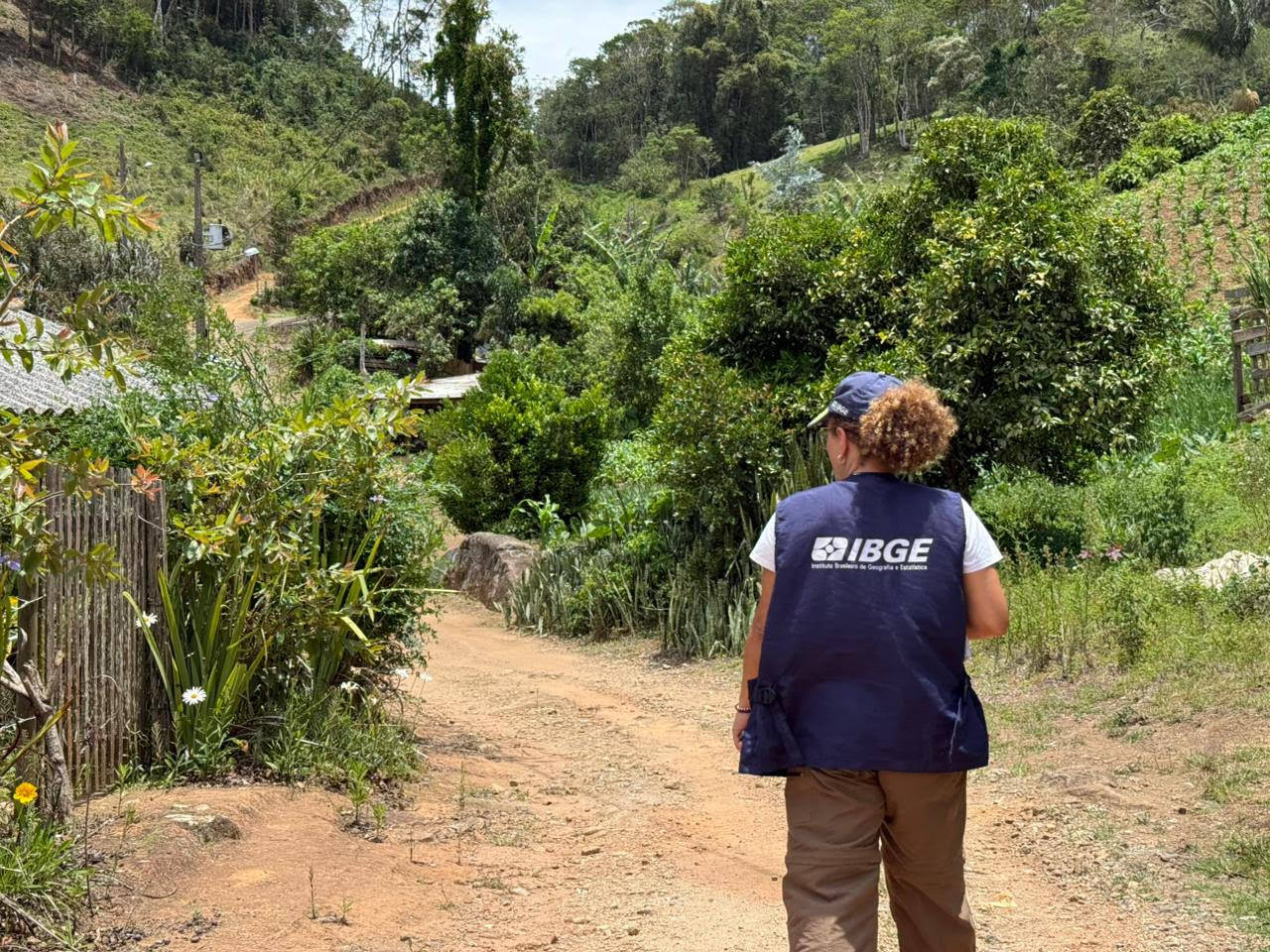
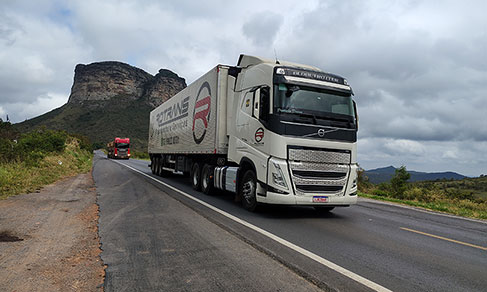
In Bahia, the first pre-test of the 12th Census of Agriculture, Forestry and Aquaculture is being carried out in the municipalities of Juazeiro and Sobradinho, in the area of São Francisco River Valley, in the north of the state.
In addition to irrigated fruit growing, which is very important in Juazeiro, both cities have a significant presence of quilombola producers, extrativistas and traditional communities such as those from background and closure pastures.
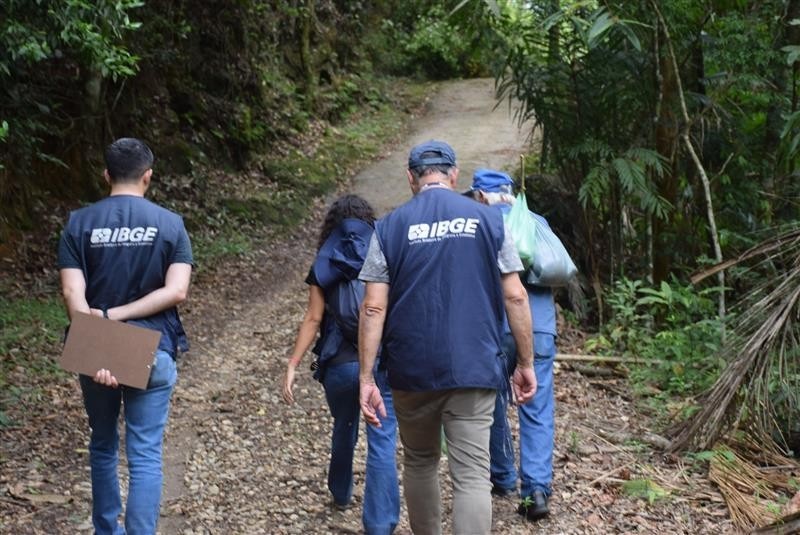
Last Monday (December 1st), the day the pre-test began, featured team presentations and the distribution of material, such as vests and tablets for data collection. In this first moment, the recognition of the sectors that will be collected, the association of enumerators in the Data Collection Management Indicators System (SIGC), the download of maps and the establishment of the routes that will be traced during the operation were also carried out.
After all the logistics were worked out, the data collection itself began on Tuesday (December 2), when questionnaires were administered to 80 establishments in the municipality of Juazeiro, according to José Hebert Lucas, area assistant at the IBGE State Superintendency in Bahia, who is participating in the pilot test.
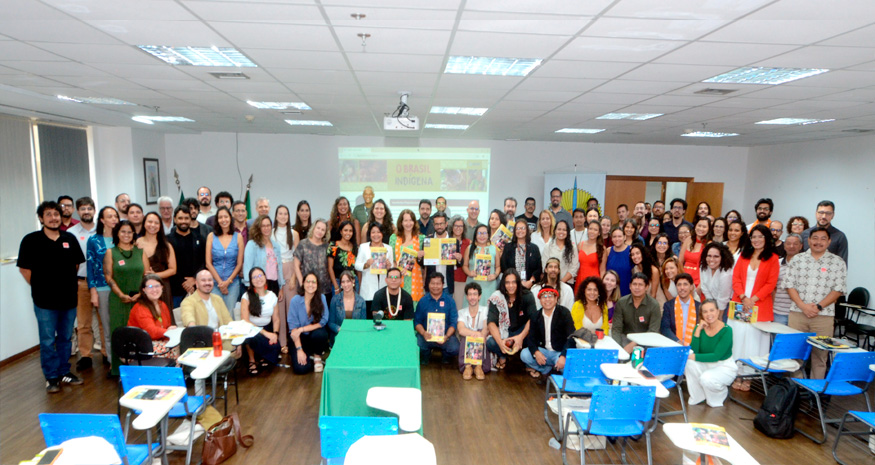
In sectors with establishments of traditional peoples and communities, such as quilombolas, Indigenous people, and background and closure pastures, there were recognition visits by leaders to apply approach questionnaires, which are answered prior to data collection in these locations.
In Sobradinho, activities will begin on the weekend, including data collection in Indigenous communities in the municipality.
“The expectation is that, starting this Wednesday (December 3), with the complete team and trips to the field after all the planning and all the recognition and identification questionnaires of traditional peoples and communities carried out, the data collection will flow fully, making it possible to reach close to the average of 200 questionnaires per day,” explained Lucas, regarding the expectations for the continuity of the pre-test.