
Census of the Population Experiencing Homelessness
IBGE lauches first pilot test of the 1st National Census of the Population Experiencing Homelessness in Goiás


June 11, 2026 03h24 PM | Last Updated: June 17, 2026 12h43 PM
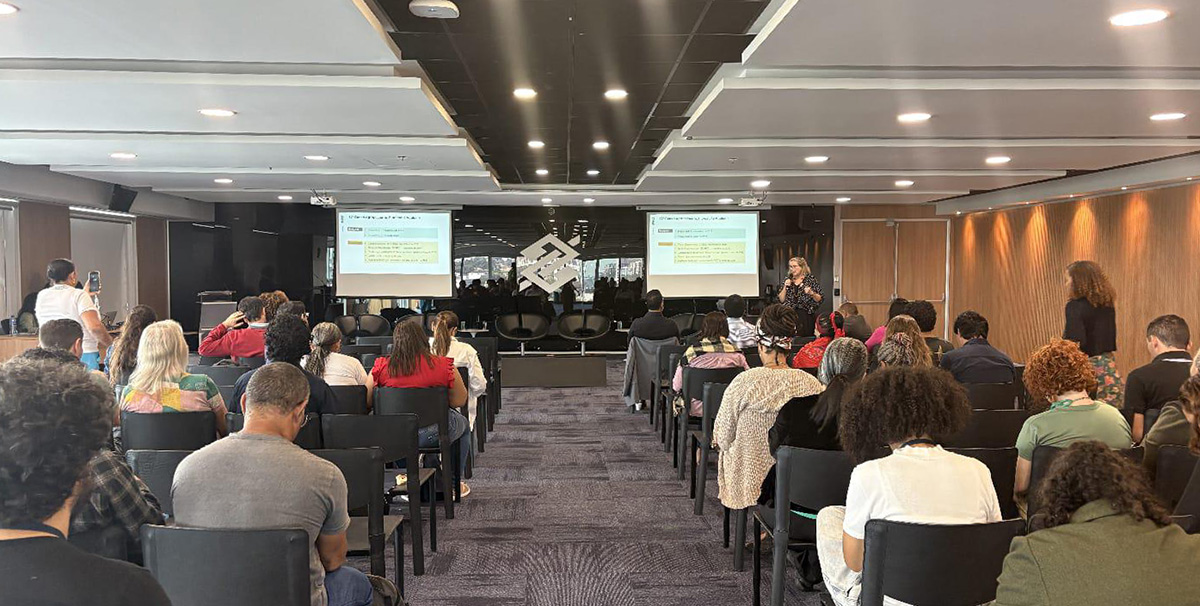
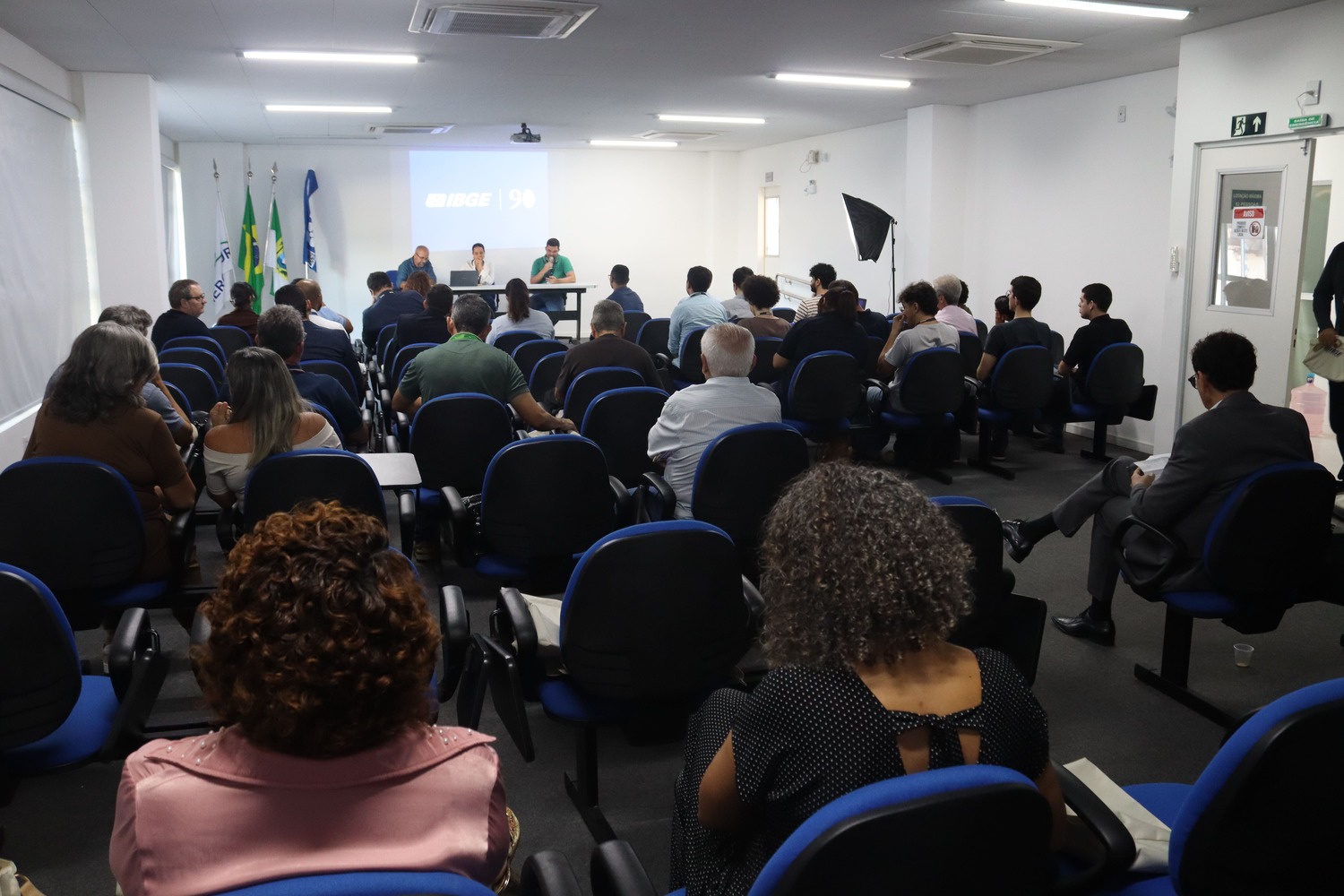
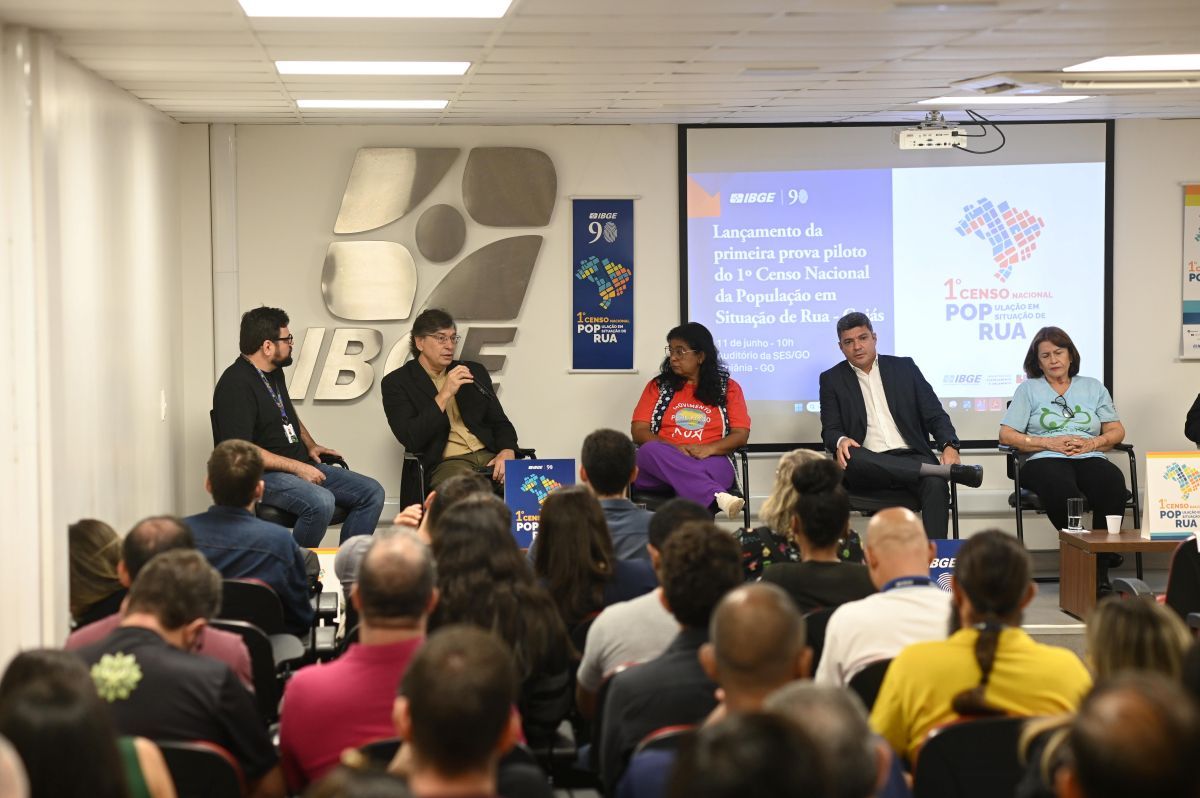
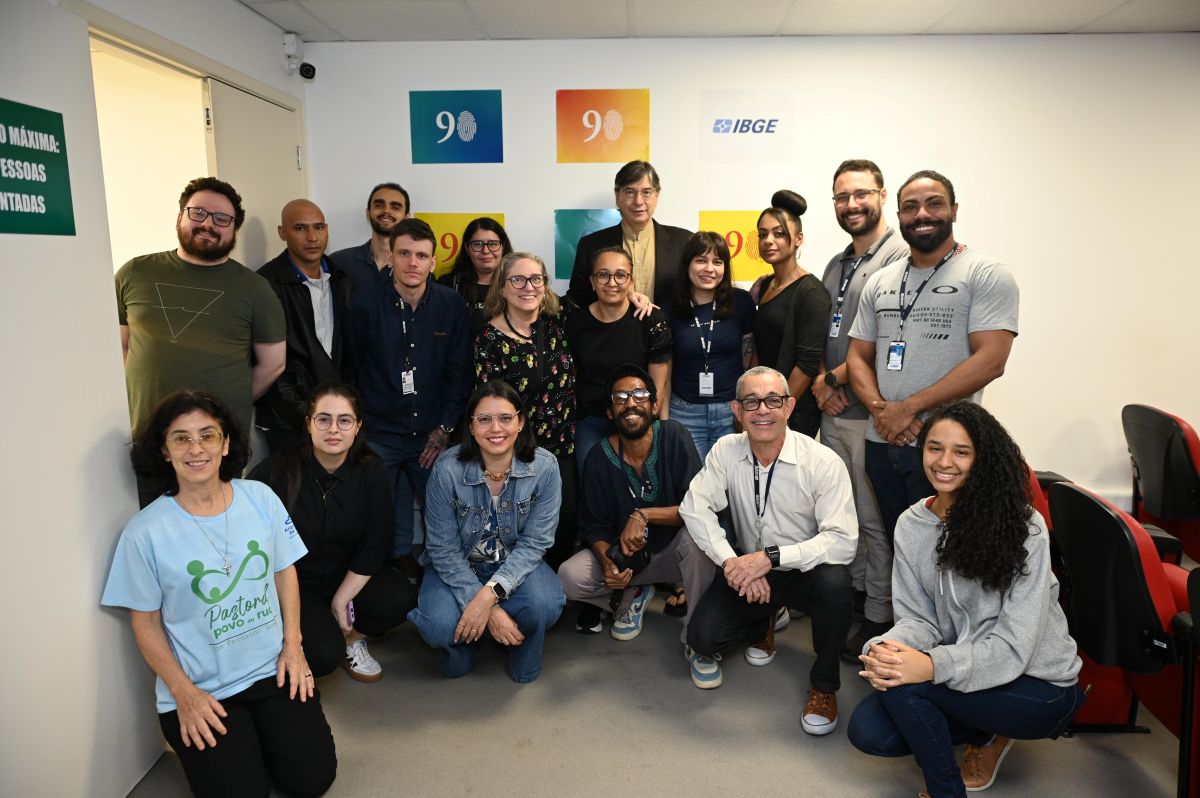
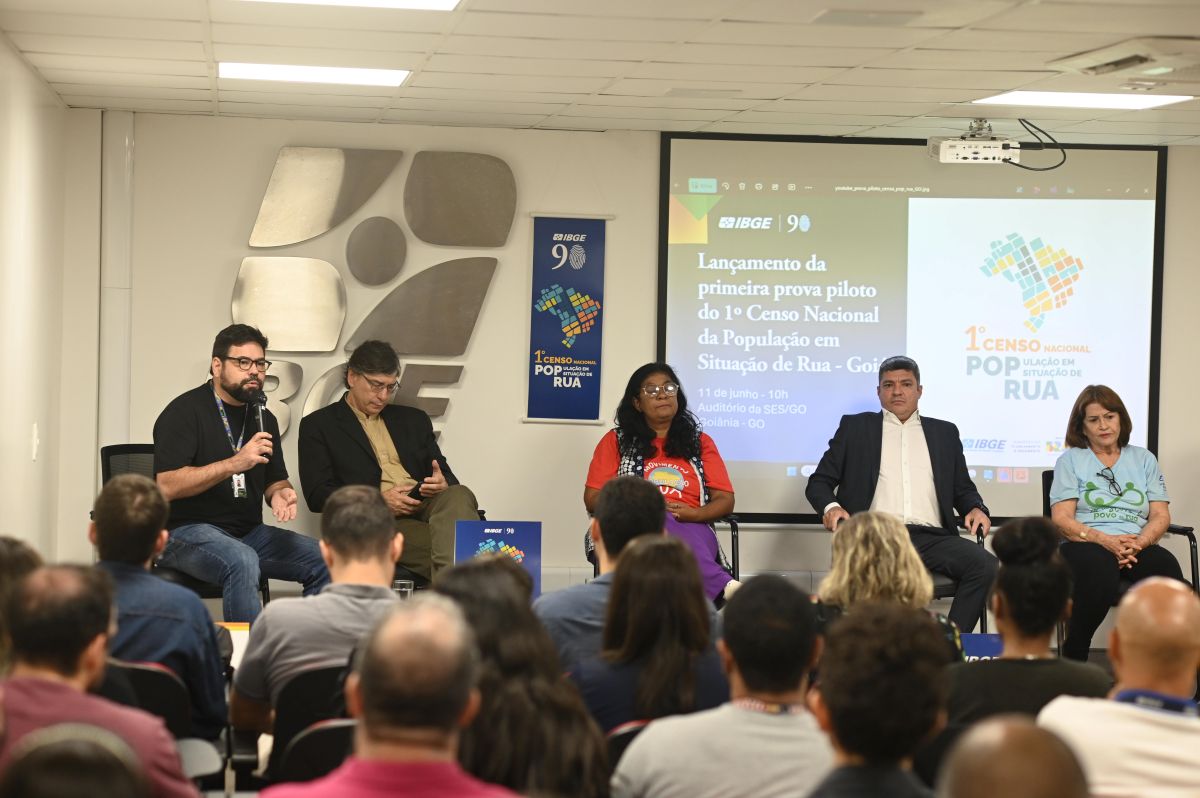
The Brazilian Institute of Geography and Statistics (IBGE) held, this Thursday (11), the launch of the 1st pilot test of the National Census of the Population Experiencing Homelessness, in Goiás.
The event was meant to celebrate the integration of IBGE with the municipalities and other mobilizing agents to publicize and operationalize the initial tests of the census, which establishes, for the first time, a national statistical survey dedicated exclusively to people experiencing homelessness.
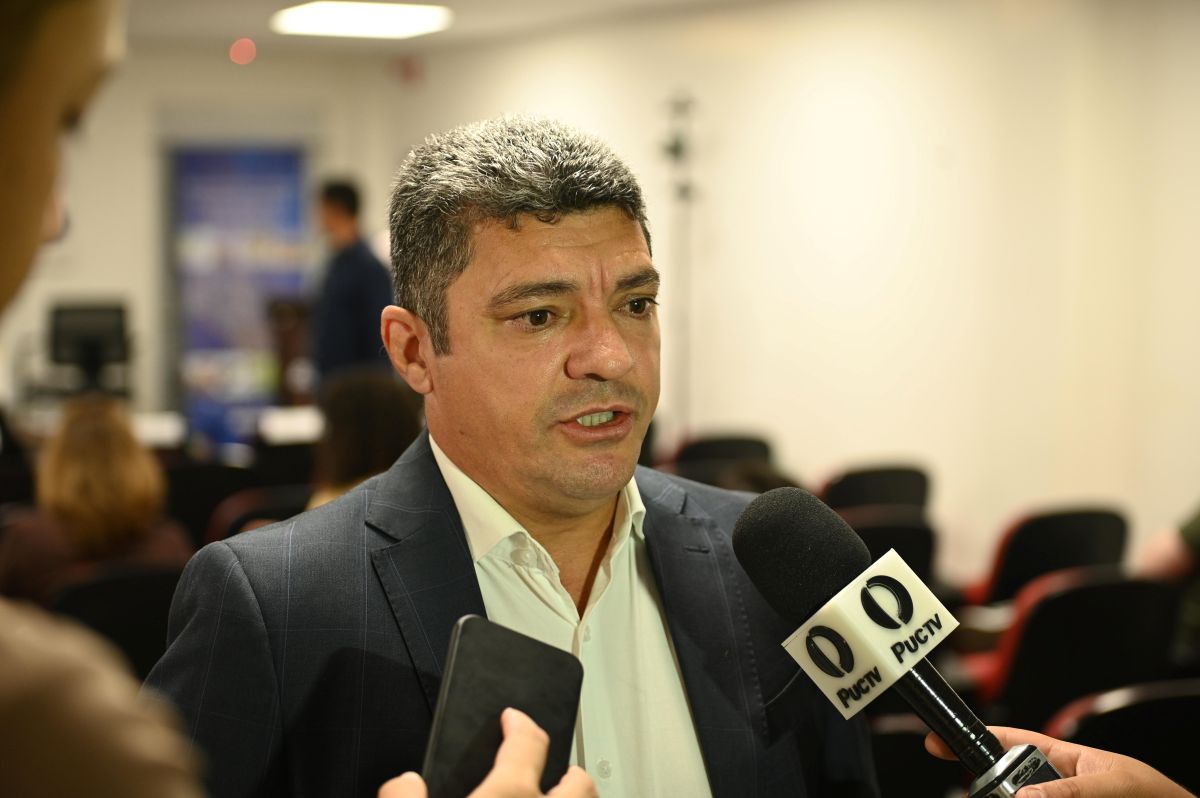
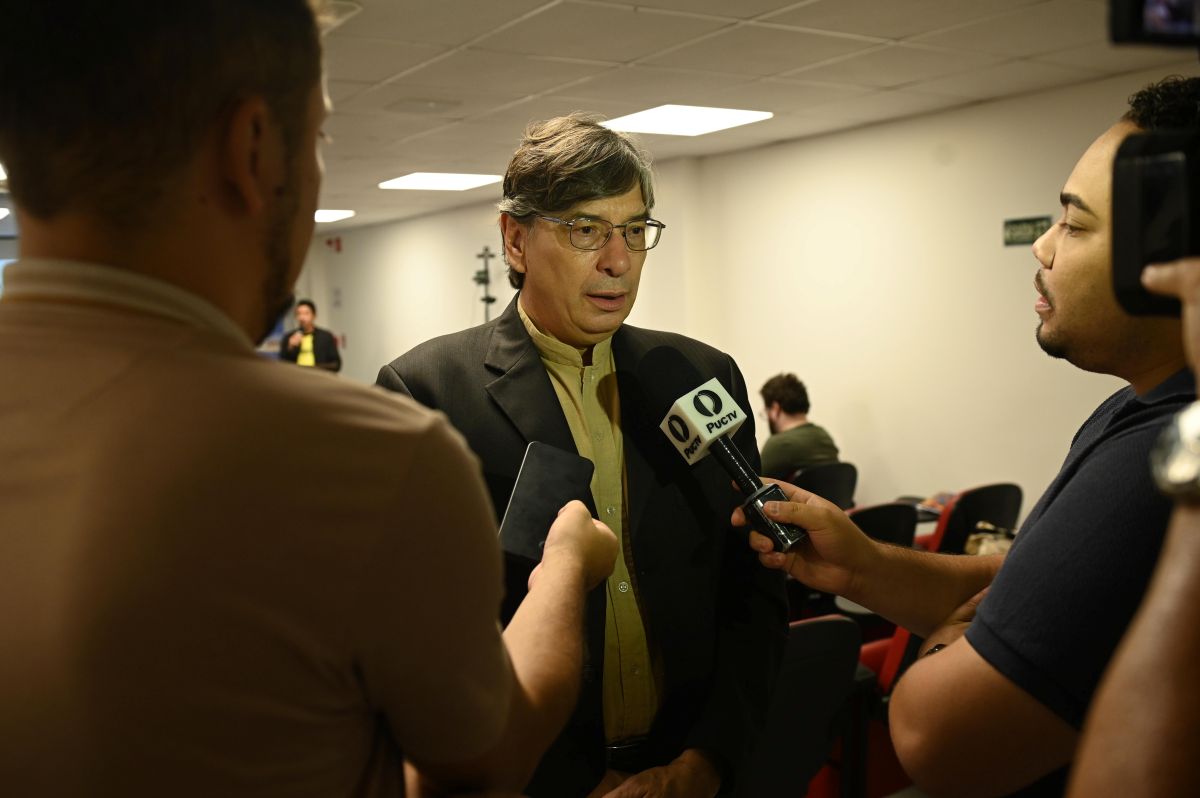
The launch was attended by the president of the IBGE, Marcio Pochmann; the institute's technical team, composed of the director of Surveys, Gustavo Junger; the technical coordinator of the Census of the Population Experiencing Homelessness, Giulia Scappini; and the deputy coordinator of the General Coordination of Census Operations, Cynthia Damasceno.
Mr. Junger highlighted the importance of this census. "How do we portray Brazil? How do we represent the reality of Brazil when you don't have the population experiencing homelessness in the official statistics? How can we portray reality, especially urban reality, in Brazil today without this information? How do we produce statistical information that allows the exercise of citizenship if not all Brazilians are part of the official statistics today? Conducting the 1st National Census of the Population Experiencing Homelessness is not just about meeting a historical demand of the IBGE, it's about the IBGE's commitment to its own institutional mission. The IBGE needs to respond to this challenge. This is something that the IBGE has been duly pressured to do for many years, including from a legal standpoint. These social demands were absolutely legitimate, and today we have finally reached a point where we can offer the country a consistent methodology for conducting the 1st National Census of the Population Experiencing Homelessness."
The Director of Surveys highlighted where the pilot tests will be carried out. "They will travel through all regions, five capital cities – Goiânia, Salvador, Florianópolis, Belo Horizonte, and Manaus – and advance the maturation of this project, which will have new developments next year. Finally, in 2028, we will carry out this first national census in the field."
The pilot test allows for testing the data collection instruments; the composition of the technical teams, which, due to the unprecedented nature of the operation, will include facilitators; and the logic of the territory's route. Giulia Scappini explained the difference from the Population Census. "Organizing by enumeration areas, which is how we usually do it in household surveys, would be unfeasible for this census. It would take at elast 2 to 3 months to cover the entire territory as, for example, it happens with the Population Census. So, rapid data collection, something that a highly mobile population demands to minimize duplication and omissions, would be imposible. We need to work with a new way of thinking about the territory, which are routes. These routes can be composed of axes of streets and establishments, building addresses, and specific classifications to help the field team understand how to work with that territory. These routes are organized into collection zones, and each zone will be surveyed on a specific day," she said.
"The proposal is that we conduct all the data collection over an average of 4 days, depending on the municipality, during the afternoon/evening shift. Timing is one of the key aspects of our tests. And the survey needs to take place on the same dates in all municipalities across the country to ensure methodological uniformity and allow for comparability," added Ms. Scappini.
The technical coordinator further explained the counting process for this population. "Our survey unit is always the individual. So, we count the person present to ensure accurate enumeration. The survey unit is the individual within three situations: the street, institutions, and non-residential facilities, which are a major challenge because many times the population living in occupations does not identify themselves as homeless. And the consensus is that homeless people are those who have slept on the streets, in institutions, or in non-residential facilities ffor at least one night in the last 7 days, considering the reference date for data collection. This is our screening, but it doesn't mean we won't characterize beyond that."
Ms. Damasceno highlighted the importance of the pilot test. "Based on the proposed specifications and methodologies, all the technical guidelines, we will think together about how many people, the locations we will visit, how much it costs, how much time, what equipment we will need. The budget is fundamental. And it's very important that we test the questionnaire, equipment, behavior, sweeping, how the routes, zones, field trips, and external partnerships will behave."
Ms. Scappini also spoke about the schedule for the new census. "The first pilot test will be in the field from August 31 to September 3. That's 4 days. If something goes wrong, we need to identify it immediately to correct it and avoid an irreparable error. The second pilot test is scheduled for October 2027. In the following year, in March, the experimental census will take place, which is a large dress rehearsal, with all the stages. And in July, the census will take place."
According to the president of the IBGE, Marcio Pochmann, the 1st National Census of the Population Experiencing Homelessness can help create public policies to reduce inequality in the country. "Whoever produces the data, whoever controls the information, governs the future of the nation. And we are here today addressing the future of Brazil. Whether we will continue to reproduce the inequality that we know so well, or whether it will be possible, from the identification of this invisible segment, to create public policies that will allow us to ensure that, in the future, this census will no longer be necessary because it will have become a resolved issue. This can be overcome."
Also present at the event were the state superintendent of Goiás, Edson Vieira; Vanete Resende, representing the Intersectoral Committee for monitoring and following up on policies for the population experiencing homelessness in the state of Goiás (CIAMP RUA); Eduardo Oliveira, representing the Municipal Secretariat for Policies for Women and Social Assistance and Human Rights of Goiânia; and Maria Madalena, representing the Pastoral Care for the Homeless in Goiânia.
Previous Regional Launches and Showcase Workshops
The regional launches of the 1st National Census of the Population Experiencing Homelessness have already had previous stages held in April, marking the beginning of the national mobilization around the initiative. The first activities took place in Belém (PA), on April 27, followed by Rio de Janeiro (RJ), on April 28, and São Paulo (SP), on April 30, bringing together public managers, researchers, and representatives of civil society.
The inaugural events included technical presentations of the project and highlighted the unprecedented nature of the survey, focused exclusively on the population experiencing homelessness. The implementation of the regional stages reinforces IBGE's strategy of expanding dialogue with different territories and local actors, consolidating a participatory process in the construction of a statistical operation of national scope.
Also as a preparatory step for the Census, the IBGE held Showcase Workshops on Censuses of the Population Experiencing Homelessness, bringing together specialists, public managers, researchers, census operation coordinators, and representatives of civil society from various regions of the country. The meeting aimed to share experiences, discuss methodologies, and incorporate contributions from different actors involved with the issue of the population experiencing homelessness.
The workshop was held in Rio de Janeiro (RJ), at the facilities of the Attorney General's Office (AGU), and included participatory workshops that promoted debate on data collection instruments, challenges of fieldwork, and strategies to ensure the quality and representativeness of the data. The activities reinforced the collaborative nature of the initiative, ensuring that the construction of the Census considers different perspectives and territorial realities.
IBGE's WhatsApp Channel
Join IBGE's official WhatsApp channel and stay tuned on all IBGE information. You can access it here!