
CENSUS OF AGRICULTURE
Pre-test of 12th Census of Agriculture begins in Nova Friburgo


December 04, 2025 02h45 PM | Last Updated: December 09, 2025 11h39 AM
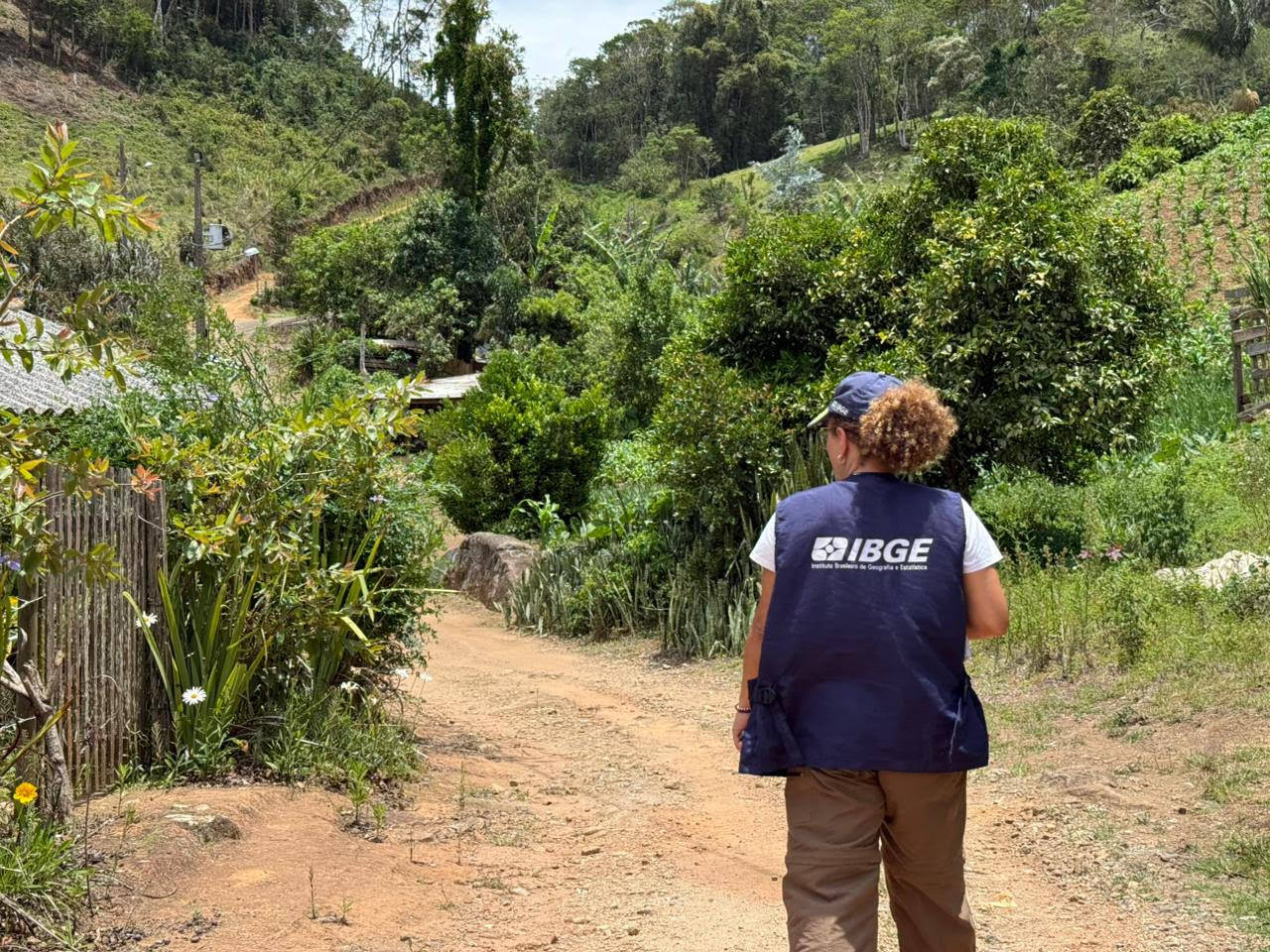
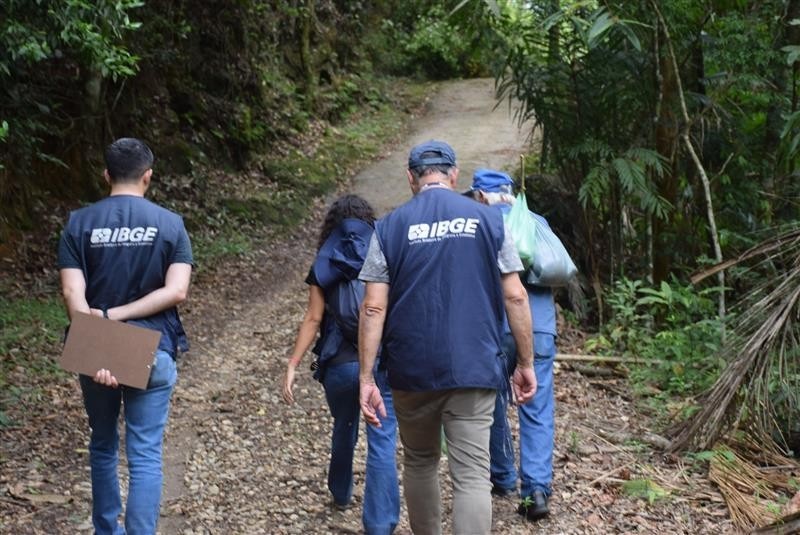
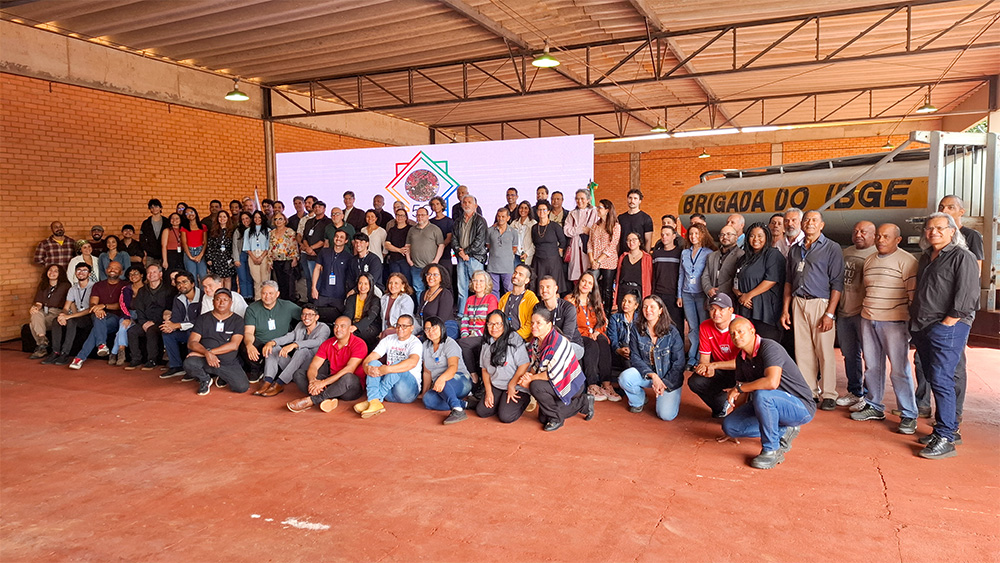
Rural producers in Nova Friburgo, in the mountainous region of Rio de Janeiro, have already begun answering the pre-test questionnaire for the 12th Census of Agriculture, Forestry and Aquaculture. Since December 1st, approximately 50 servants of the Brazilian Institute of Geography and Statistics (IBGE) have been in the municipality collecting data. This phase of the survey is expected to remain in the field until December 12th.
To collect information, enumerators travel through the rural areas of the municipality, located in the regions of Lumiar, São Pedro da Serra, Campo do Coelho, Rio Grandina, and Olaria. Each enumerator is monitored by observers who carefully verify the administration of the questionnaire and carry out analyses that will be used to further improve the entire operational and logistical process of the next Census of Agriculture.
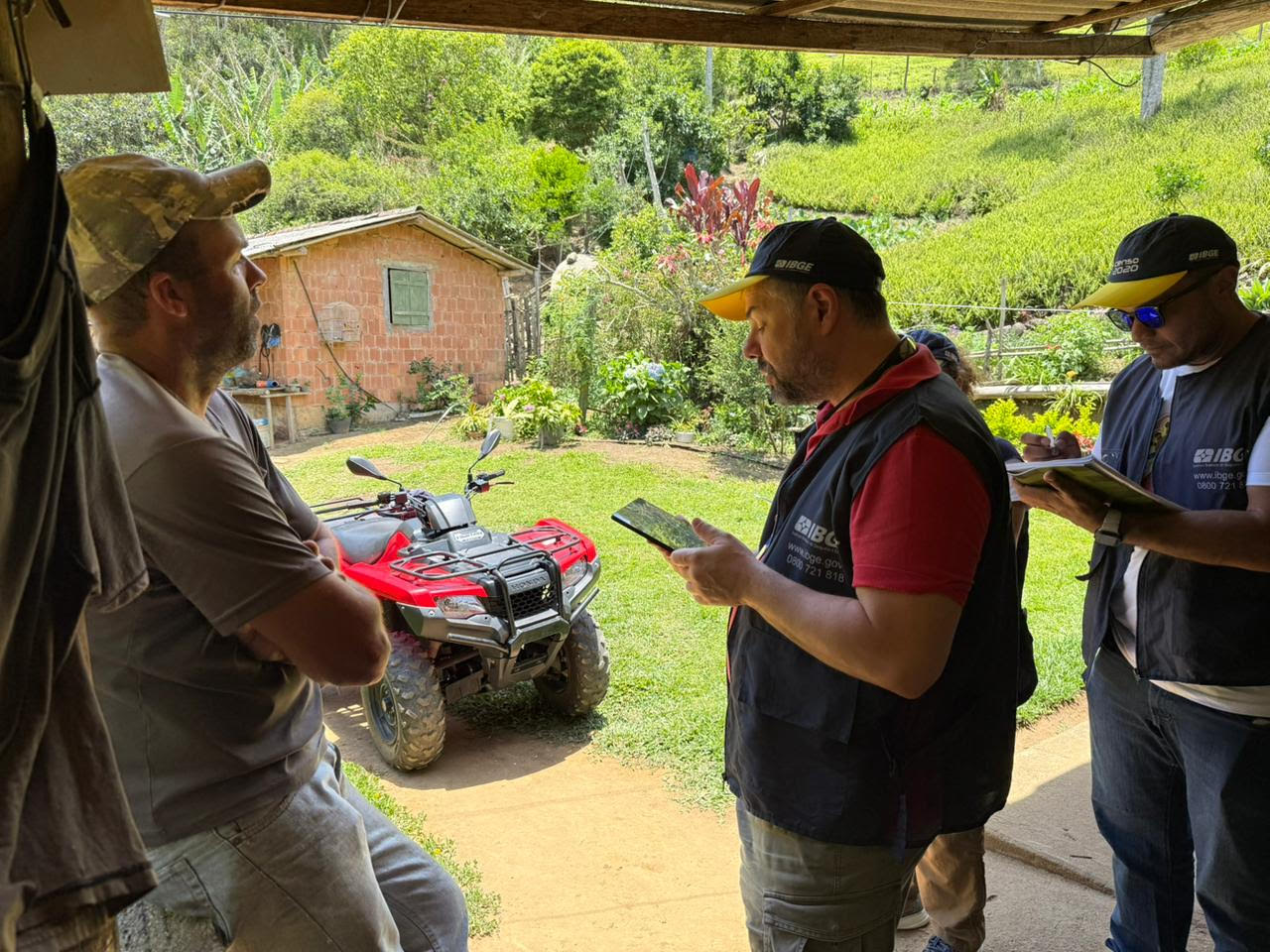
With questions related to the producers themselves, the personnel employed, as well as commercial and subsistence production, the IBGE questionnaire seeks to create a snapshot of the economic activities of the Brazilian agricultural sector. For producer Carlos Alexandre Mayer, who has worked on a family farm for 20 years, surveys like the Census make it possible to transform data into knowledge. "Answering the questionnaire is important for us to understand our reality and be able to transform it," he says.
For just over an hour, Carlos, who works in flower cultivation, described the entire production process. In fact, floriculture is the crop of most producers in this region, known as Colonial 61, in Nova Friburgo. “In the greenhouses, installed in 350 square meters, roses, gerberas, and silver trumpet are planted.” Besides the commercial production of flowers, Alexandre maintains a subsistence crop of bananas, cassava, corn, and yams, as well as husbandry.
A few meters from Carlos Alexandre's property, another rural producer, Pedro Silvano, maintains his flower plantation. Attentive to the questionnaire, he and his wife, Chirley da Fonseca, answered the information requested by the enumerator about their property. During the questions, they recalled the investments made to commercially produce roses and silver rain in approximately 750 square meters of greenhouse. “This test is very necessary for us to obtain more information about the agricultural production in our region. Whenever an IBGE team comes to our property, I provide all the requested information, because it is important,” he emphasizes.
Positive evaluation of the survey progress
According to the technologist from the Technical Management of the Census of Agriculture (GTA/COAGRO), Rafael Cassador Monteiro, who is monitoring the pre-test in Nova Friburgo, the start of data collection exceeded expectations. “On the very first day, all the teams were able to go into the field to identify the enumeration areas, and some have already administered questionnaires to rural producers in the city. With this workflow, we are monitoring what needs to be adjusted. Based on the teams' performance in these days, I believe we will be able to surpass the established data collection target.”
The Planning and Administrative Manager of the IBGE Superintendency in Rio de Janeiro (SES/RJ), Alberto Azemiro de Carvalho, believes that the observations made after the first days of data collection will provide a huge gain for the development of the next preparatory phases of the Census of Agriculture. “We have already observed some adjustments that need to be made, which is common at the beginning of the work. In fact, this is the objective of a pre-test. This experience will be essential for further improving the computerized systems and promoting changes in the conceptual parts of the survey.”
Every day after the field visit, the team responsible for the data collection post holds an evaluation and alignment meeting to discuss the observations made by the enumerators. This is the first experience of Technician Leonardo Queiroz Rabelo as an enumerator, in conducting a pilot test. He has been working at the IBGE for five months, working at the Tijuca Agency and, for the most part, developing economic surveys. “Participating in the application of this pre-test here in Nova Friburgo has been a surprisingly good learning experience, a spectacular chance to understand and learn how this process of planning a Census of Agriculture works in practice. Furthermore, the rural producers receive us very well, which shows the credibility of the IBGE in our country,” he concludes.