
IBGE releases Methodological Report of Structural Surveys in Enterprises


May 21, 2026 10h00 AM | Last Updated: May 21, 2026 10h34 PM

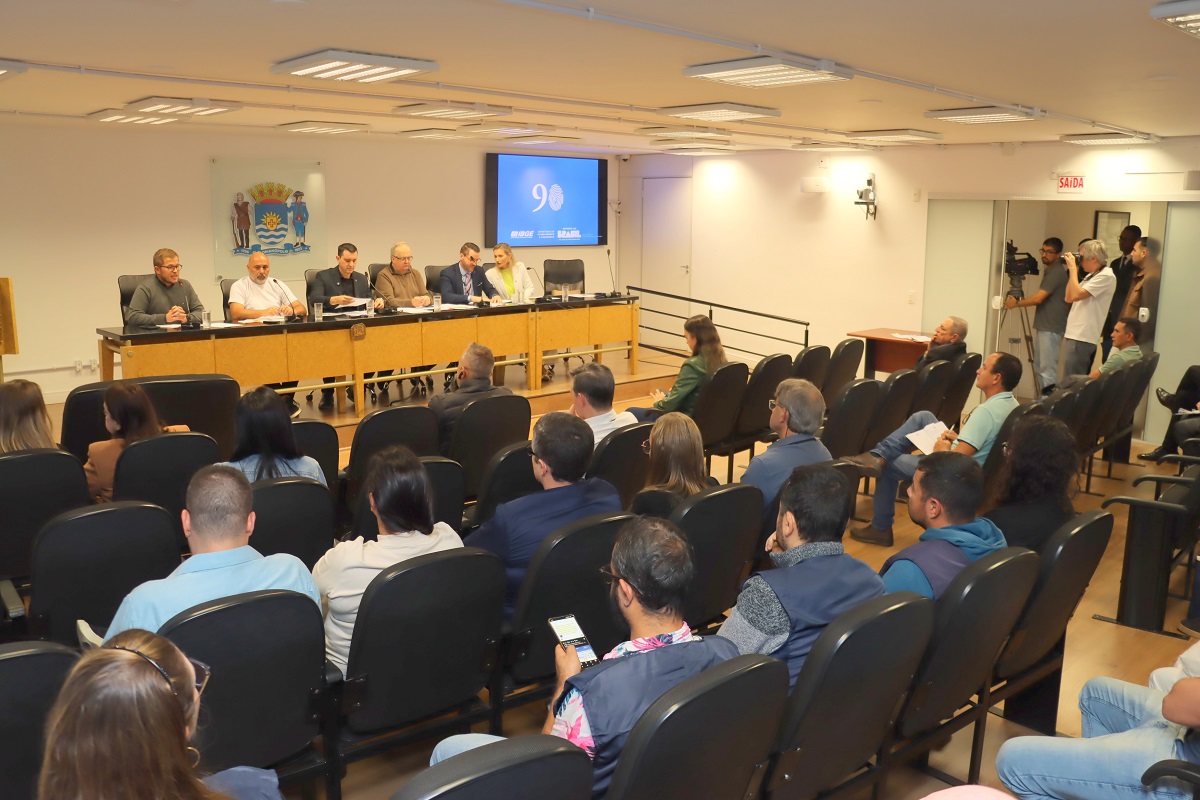
The Brazilian Institute of Geography and Statistics (IBGE) releases, this Thursday (21), the first unified methodological report of structural surveys in enterprises, one more important instrument to ensure transparency to the process of production of economic statistics by the Institute. Previously published individually for each one of the surveys, the report now gathers, in an integrated way, the historical, conceptual and operational foundations that guide the production of information about the sectors of industry, trade, services and construction in Brazil.
The group of surveys — formed by the Annual Survey of Trade (PAC), Annual Survey of Services (PAS), Annual Survey of Construction Industry (PAIC), Annual Survey of Industry - Enterprise (PIA-Enterprise) and Annual Survey of Industry - Product (PIA-Product) — constituted the bases of IBGE'S structural economic statistics. Information is used by governmental agencies, enterprises and academic institutions for sector analysis, planning and monitoring of the economic dynamics in Brazil.
According to the Institute, the main objective of these surveys is to provide systematized and comparable data tha can be used as inputs for the System of National Accounts( SCN) and for the formulation of public policies. Among the indicators produced are estimates of value added, employed persons, compensation and gross fixed capital formation, calculated at differente levels of detail of the National Classification of Economic Activities.
Also, structural surveys play a central role in the update of the Central Registy of Enterprises (CEMPRE), the statistical register that guides the selection of samples and organization of economic surveys of the IBGE. The system also serves as a basis for the incorporation of thematic surveys and complementary studies about specific segments of production.
The publication also highlights the evolution of these statistics. Initially based on economic censuses held every five years, the surveys went through a stractural change in 1996, with the implementation of the program of Modernization of Economic Statistics of the IBGE. The current model, based on annual sample surveys, enabled faster data production and reduction of operational costs.
In recent years, the IBGE avanced in the methodological integration of surveys, thus consolidating a common architecture of statistical production. Although they keep their sectoral identities, the surveys went on to adopt concepts, questionnaires and harmonized procedures. This process includes the sue of a standardized sample design, a common infrastructure based on CEMPRE and the integrated management of operations by means of the Integrated Systems of Annual Surveys in Enterprises (SIPEA).
The report also approches recent changes in administrative sources used by the Institute. The substitution of the Annual Social Information Report (RAIS) by the eSocial, in 2022, caused temporary impacts in the series of data, with a drop in the number of companies obtained in some activities. In order to ensure the consistency of estimates, the IBGE implemented calibration adjustments in 2023. In the year 2024, the introduction of indicadores from records in the Federal Revenue Offica represented a definitive break in part of the time series.
About the IBGE, the methodological document seeks to expand the transparency of the statistical process and provide users with a thorough view of the steps in production of information, from the definition of survey units and construction of samples up to the process of data collection, processing and dissemination of results.
The publication is available on: IBGE | Library