
IBGE
IBGE data stand out at National Seminar of Health in Peripheries in Brasília


December 15, 2025 03h44 PM | Last Updated: December 17, 2025 05h15 PM
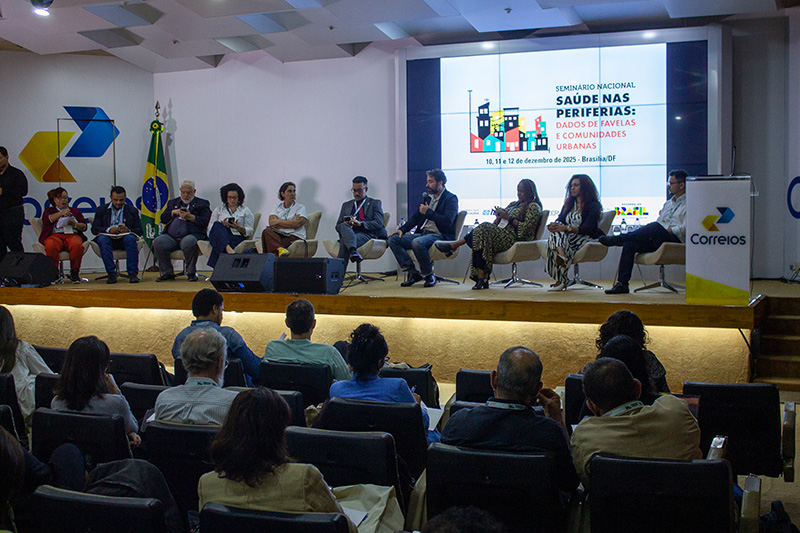
The city of Brasília (DF) hosted the National Seminar - Health in Peripheries: data from favelas and urban communities. The event, which counted on the participation of the Brazilian Institute of Geography and Statistics (IBGE), began on Wednesday (10) and closed on Friday (12).
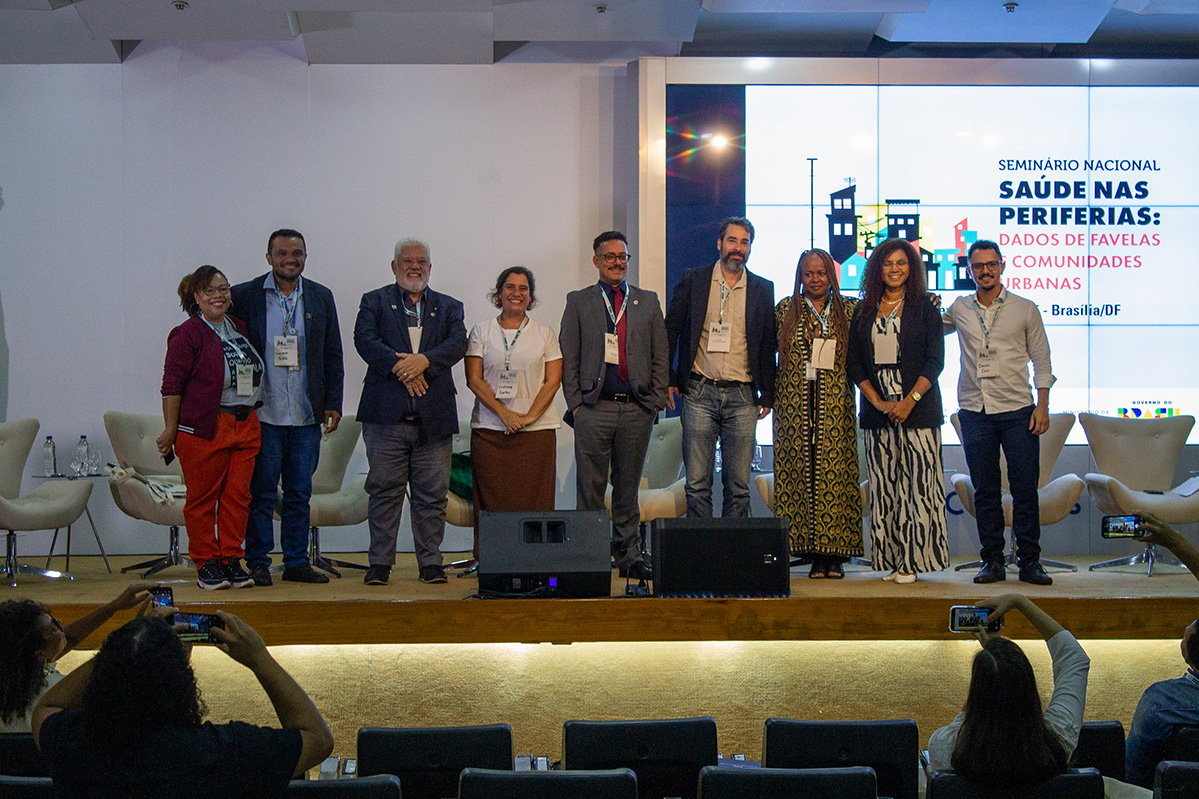
The meeting was a space for cooperation and collective learning, bringing together public offices, civil society organizations and collective organizations that produce and analyze data on favelas and urban communities. The program includes debates on official and unofficial data production, integration of registers and administrative records, as well as reflections on this theme.
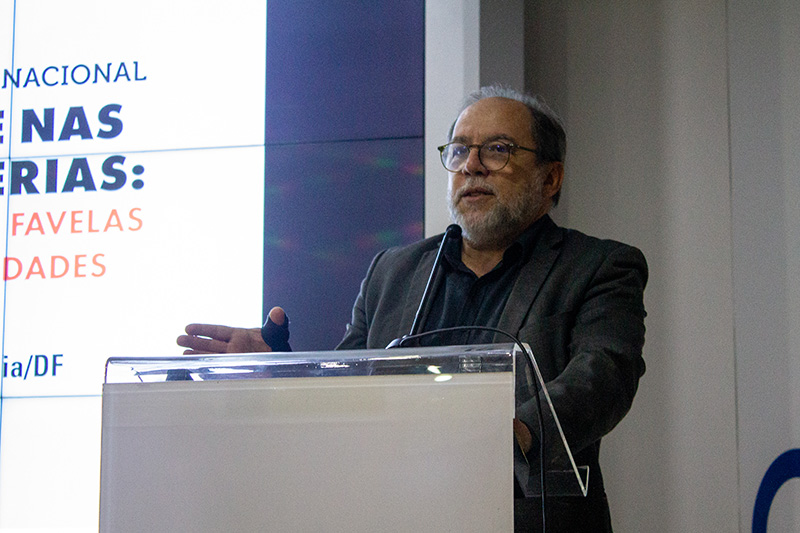
André Luis Bonifácio, director of the Department of Inter-Federative and Participatory Management of the Ministry of Health, valued the IBGE data for the construction of public policies. “The IBGE has the correct, detailed and reliable information. Thanks to them, we were able to reflect and debate proposals to improve the healthcare sector.”
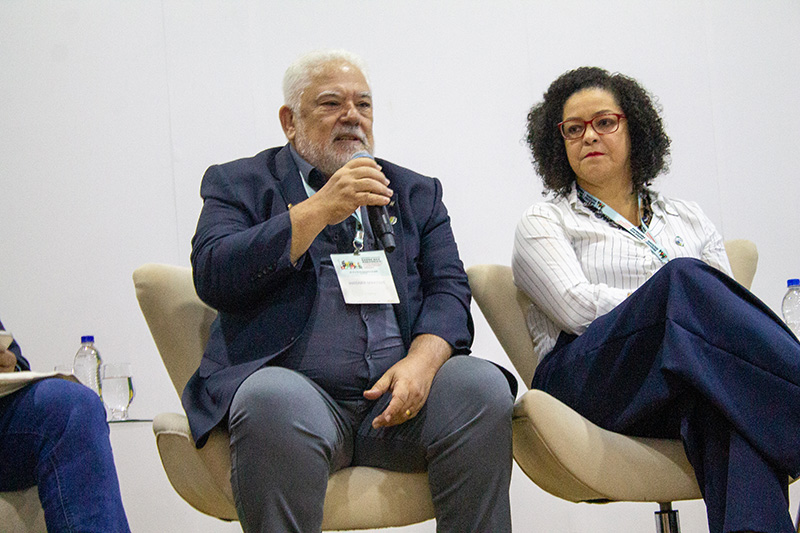
Wagner Martins, coordinator of Strategic Integration at the Oswaldo Cruz Foundation, in Brasília, highlighted the unique possibility of identifying the DNA of these territories. “We are discussing data from the outskirts to bring innovations to integrated strategies with local communities, transforming them into concrete actions.”
The IBGE's coordinator of Geography, Felipe Cronemberger, highlighted the work carried out by IBGE's Department of Favelas and Urban Communities.
“We had an advance in this 2022 Census, together with researchers and social organizations, we changed the nomenclature, demonstrating the IBGE’s desire to be together and represent the Brazilian population in a real way.”
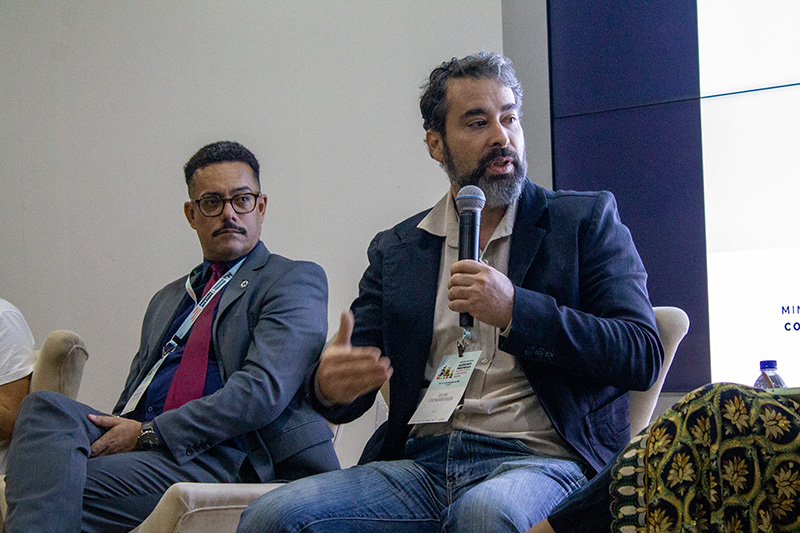
He also spoke of the partnership to carry out these actions: “We are together with CUFA and Data Favelas, as well as community leaders who helped the IBGE reach the population and present its work. Our data exist not only for academia, but for the population to have access and build public policies.”
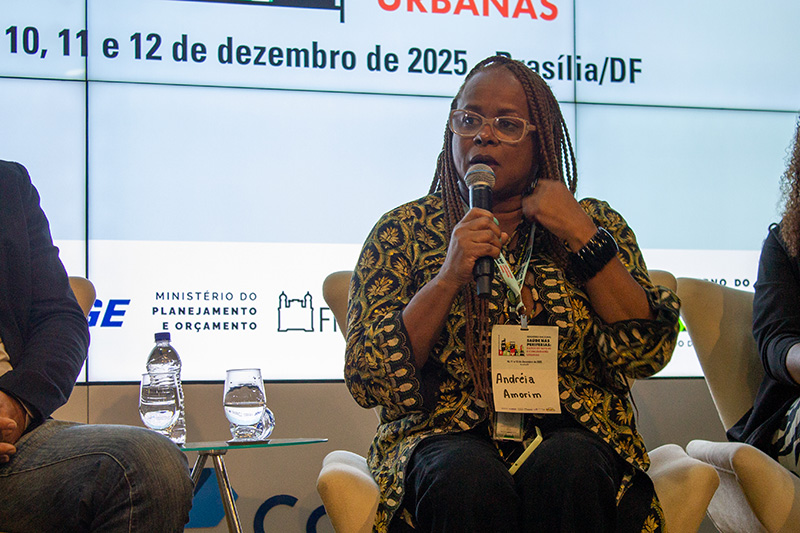
Andreia Amorim, representing the Secretariat General of the Presidency of the Republic, highlighted listening to communities. “Peripheries are everywhere. The State gets it right when it brings authority to these people, from those who live in these territories and know the reality.”
Integration of data for the construction of public policies
The IBGE coordinated the opening session of the event that addressed the theme: “Core challenges for the production, integration and dissemination of data on Favelas and Urban Communities”, which brought together experts from different areas to point out collective paths and strategies and was moderated by Isabella Nunes, from the IBGE, who works in the Department of Special Surveys and on the theme of favelas and urban communities.
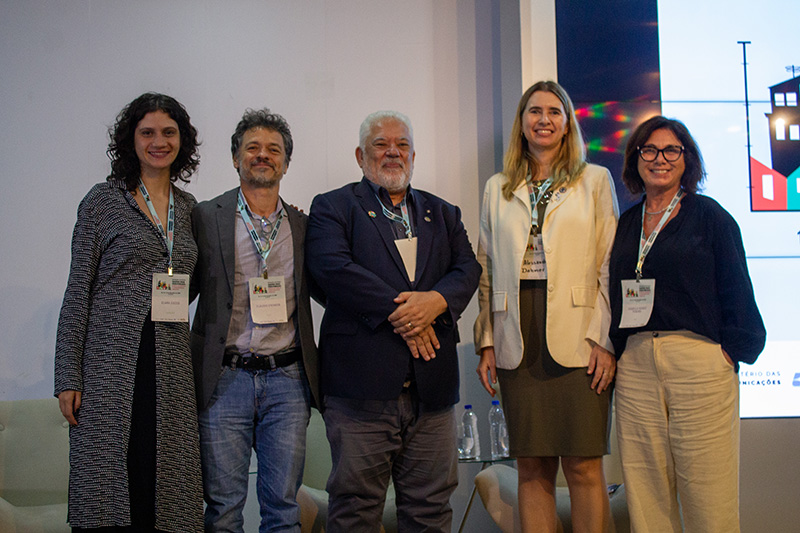
The demand for data on Brazilian favelas and urban communities has grown significantly in recent years, driven by the need to support territorialized public policies, guide interventions and build indicators capable of monitoring global and local goals, such as the Sustainable Development Goals (SDGs). This movement reflects the strategic importance of this information to understand and address socio-spatial inequalities that have intensified with urban expansion in recent decades.
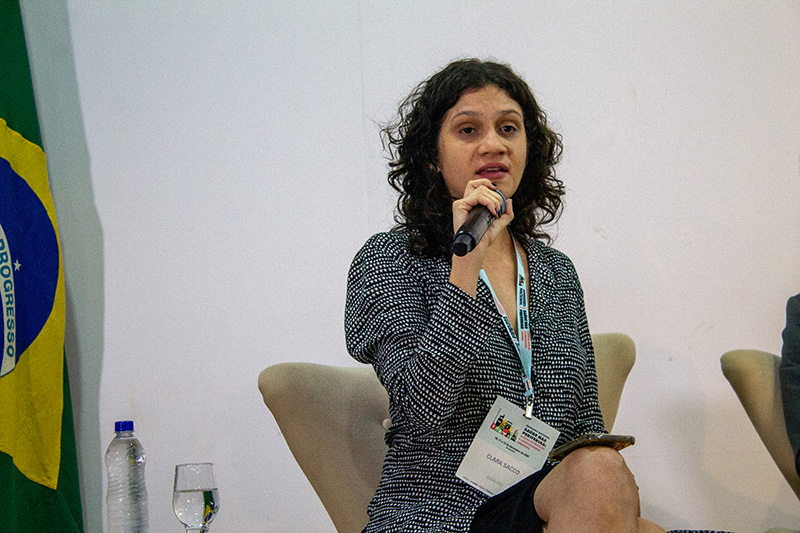
Clara Sacco, co-founder of Data_labe, an organization dedicated to data culture in the peripheries, highlighted the importance of data collection. “Such information helps us to understand the collective and individual face of these communities. Each favela has a distinct reality that needs to be analyzed in the same way.”
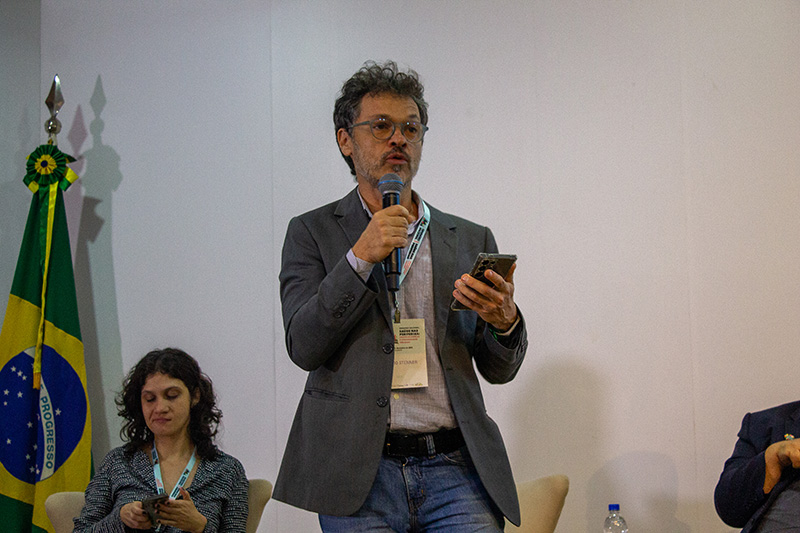
Claudio Stenner, from the IBGE, with extensive experience in social statistics and geospatial integration, highlighted the importance of integrating data. “We were able to cross-reference information with other offices, map and provide more qualified data for favelas and urban communities.”
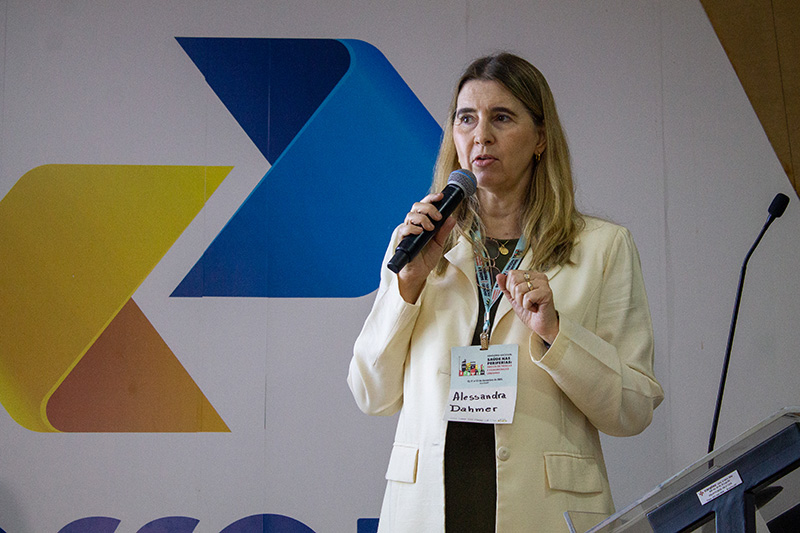
Alessandra Dahmer, from the Ministry of Health, an expert in information technology applied to health, showed how the user is the protagonist in data monitoring. “We experience inequalities in data production, and we seek to eliminate this barrier through integration and qualification. Our role is to disseminate it to society.”
Official data production
“Challenges and potentialities of the official production of data on Favelas and Urban Communities” was the theme of the second session that included the participation of the IBGE with the moderation of Larissa Catalá.
The idea was to discuss points, looking for ways to strengthen the state's capacity to register, map and represent these territories in a continuous and qualified way.
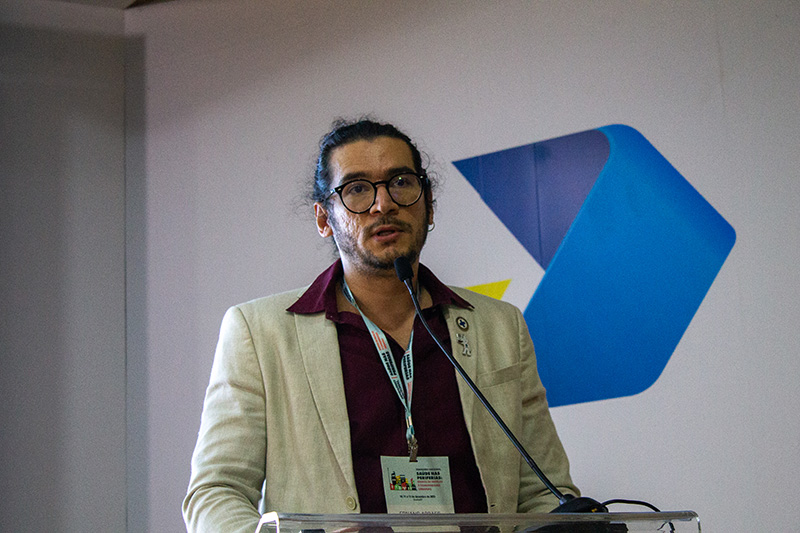
Ernano Arraes Junior, from the Ministry of Health, showed Digital SUS, a tool that gathers population data. “It maps all the municipalities and provides an overview of the real needs of the population. In it we also select favelas and urban communities that can be used to improve public policies.”
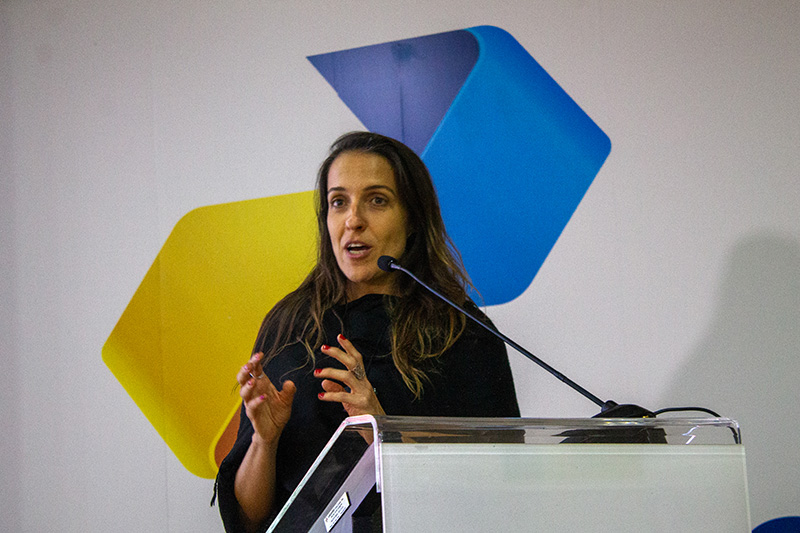
Letícia Giannella, from the IBGE, gave a brief history of how the IBGE has always been concerned with analyzing these territories and presenting true data, with its dissemination of information. “Over the last few years, the IBGE has aligned itself with other institutions, offices and social organizations, changing the classification and bringing communities closer.”
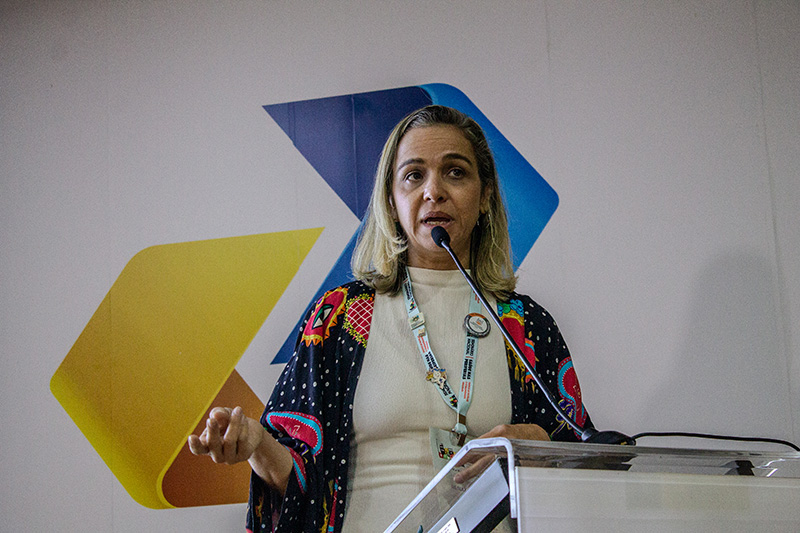
Renata Grace, from Fiocruz, explained how data from the IBGE and other sources are used in indicators for favelas and urban communities. “We use the information as a reference for our diagnoses, and subsequently, our publications.”
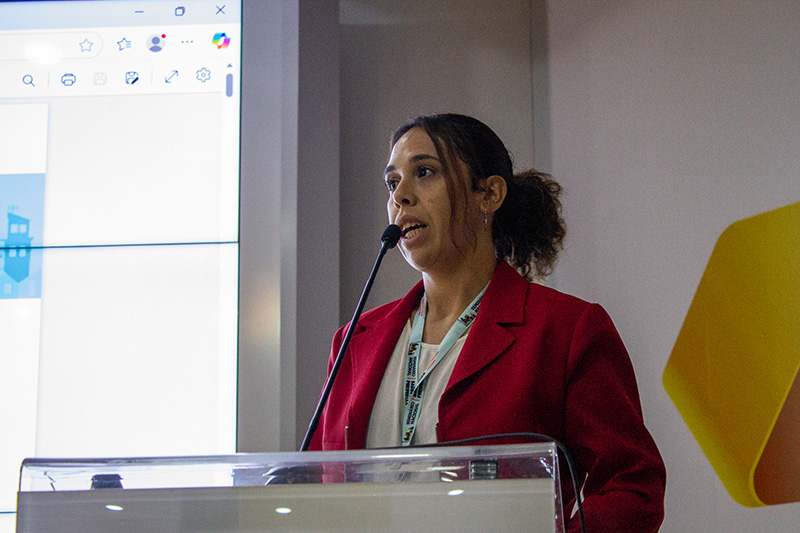
From the Ministry of Cities, Talita Stael, part of the Secretariat of Peripheries, brought challenges in data collection. “There is a need for those who live in these territories to tell their stories. And that is why we thought about the Map of Peripheries, an interactive project that gathers systematized data from these locations, with the inclusion of data from the IBGE.”
The seminar was organized by the Coordination General of Participation and Articulation with Social Movements of the Ministry of Health, linked to the Department of Inter-Federative and Participatory Management of the Executive Secretariat, in partnership with the IBGE, the Advisory of Social Participation and Diversity, the Oswaldo Cruz Foundation of Brasília (Fiocruz Brasília) and the Ministry of Communications.
Workshop shows how to use the IBGE data
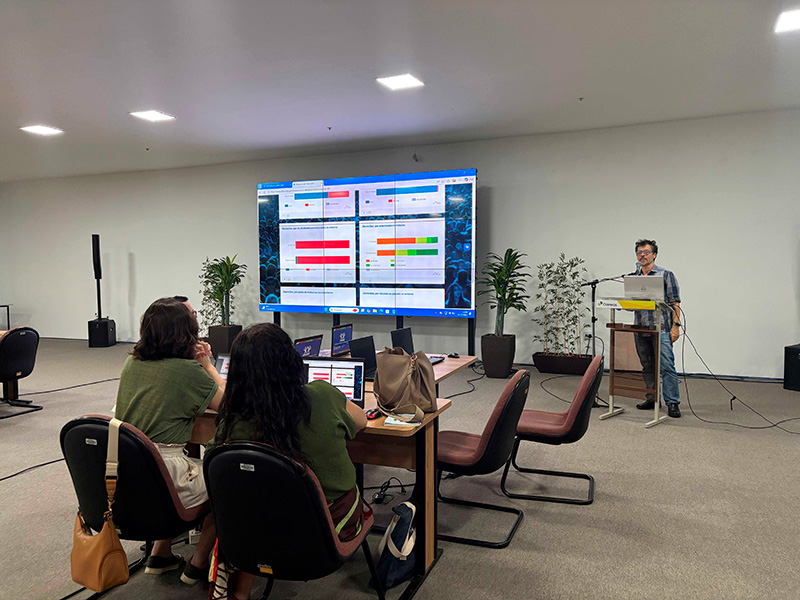
In the program on Friday (12), the IBGE participated in a series of activities. The workshop, held in the morning, combined technical presentations and practical data extraction and interpretation activities, highlighting how qualified information can guide more effective public policies for favelas, urban communities, girls and women in situation of violence.
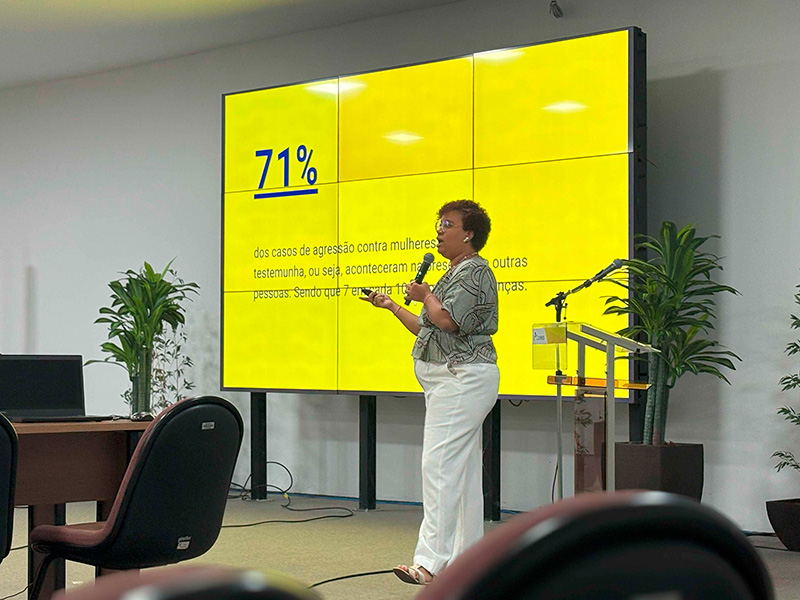
Data journalist Vitória Régia da Silva opened the morning with the topic “Gender violence and numbers: how to use and interpret data on violence in Brazil?” She spoke about the Mapa platform (National Map of Gender Violence) — which integrates updated and open data on gender violence. — Silva explained that the platform brings together public bases on violence against girls and women in an interactive environment aimed at formulating policies.
“The Map is a tool that allows us to think about more effective public policies,” stated her. She highlighted that understanding how violence occurs requires more than counting records: it is necessary to interpret trends, identify higher risk profiles and always consider an inter-sectional perspective. “The data helps us act. Without data we cannot build public policies,” said her. According to her, data on gender “reveal invisible inequalities, strengthen diagnoses, support budgets and protect policies from management changes.”
Silva also reinforced the importance of integrating the databases available in MAPA, such as Sinesp, DataJud, CNJ, DataSUS (SIM and Sinan), the National Survey of Violence against Women and records from the Ministry of Foreign Affairs. “What is not measured is not prioritized, and what is not seen is not repaired,” summarized her.
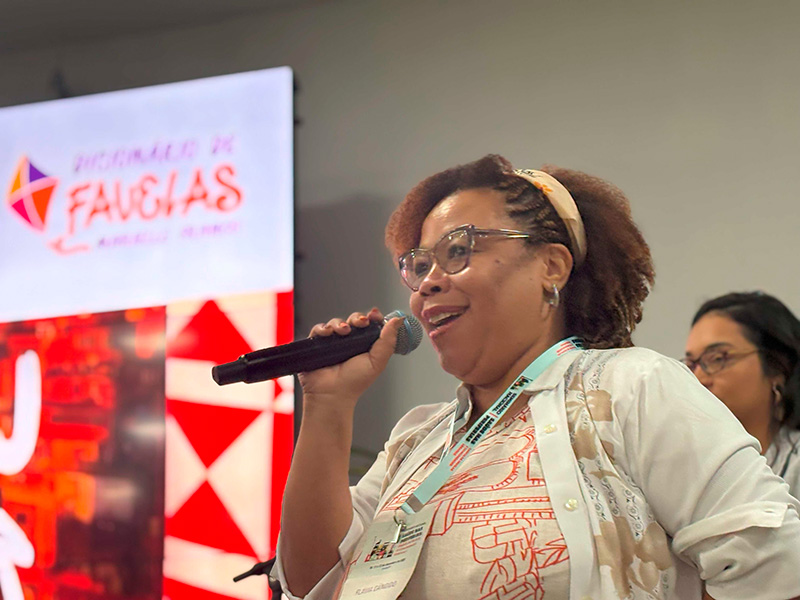
In the second presentation, researchers Flávia Cândido, a researcher at Fiocruz and Thaís Cruz presented the Dictionary of Favelas Marielle Franco, produced on the platform WikiFavelas. The project brings together entries, stories, memories and experiences from Brazilian favelas, proposing counter-narratives and expanding the understanding of these territories.
“Bringing a different perspective is fundamental to rethinking how public policies view favelas,” explained Cândido. Cruz added that the platform has become an academic reference: there were more than 70 citations in
recent newspapers and opinion articles. According to her, “data are not just numbers — entries, stories and experiences are also important data, produced by the subjects of knowledge themselves.”
The researchers reinforced that the platform is collaborative and freely accessible, inviting new participants. Cândido ended her speech by thanking the partnership with the IBGE: “Our data are produced in this partnership, together.”
Technologist Larissa Catalá, from the Directorate of Geosciences (DGC) of the IBGE, presented the results and advances of the 2022 Population Census related to favelas and urban communities. She explained the conceptual updating process that replaced the term “subnormal agglomerates” — a demand of more than 20 years — with the nomenclature adopted in recent results.
Catalá detailed that the 2022 Census is the largest survey in Brazil, both in its census and sample parts, and highlighted the expansion of the identification of favelas, including municipalities outside large urban clusters. “More than 70% of favelas are smaller,” explained her, reinforcing the importance of territorialized analyses.
Afterwards, analyst Cláudio Stenner, from the Department of Favelas and Urban Communities, deepened the debate on the production and use of data. According to him, “the value of the data is not predetermined; it is assigned by the capacity for analysis.” Stenner emphasized the need for data literacy so that society can take ownership of information and the importance of ensuring accessibility (findable data) and usability (formats suited to the needs of different audiences).
He also presented the IBGE tools aimed at information consultation: the 2022 Census Overview, SIDRA, the Interactive Geographic Platform and the Data Portal — where methodologies, technical notes and detailed analyses are available.
Practical activity
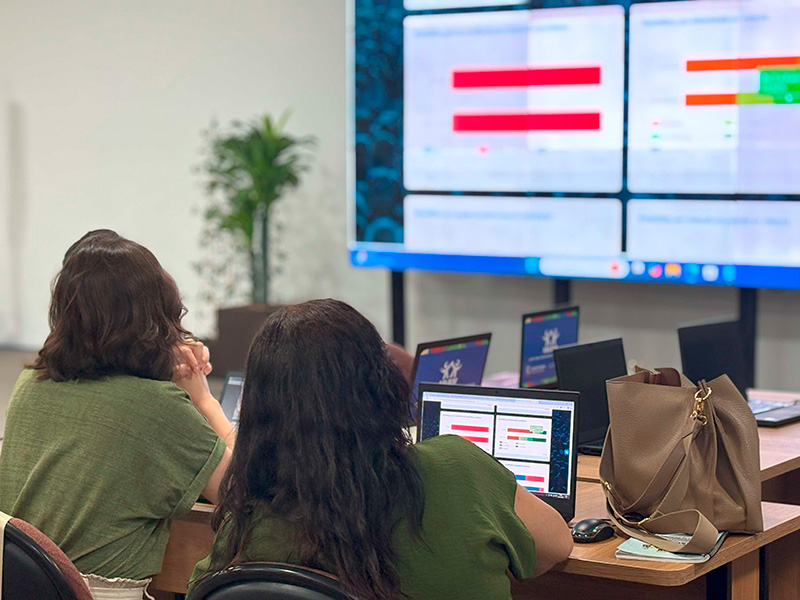
In the final part of the workshop, still led by Stenner, participants were invited to present problems faced in favelas and the variables they would like to cross-reference to find answers. Among the themes highlighted were: High temperature, with focus on race, color and afforestation; Urban mobility and accessibility to public transportation; Lack of sanitation and its impacts on children and mortality; Vulnerability to climate change, related to afforestation, basic sanitation, color or race and location. The IBGE team demonstrated how to access this information on institutional platforms and how to interpret the metadata necessary for responsible analyses.
Quality and social use of data
The workshop reinforced the IBGE's role in promoting quality data that are accessible and capable of guiding public policies to reduce inequalities. Throughout the morning, researchers, journalists, technicians and
representatives of social movements shared experiences and reflected on how to transform information into action.
The seminar continued throughout the day with activities aimed at building evidence-based policies for the reality of Brazilian peripheries.