

Institutional partnership
IBGE signs strategic partnership with UNICEF to strengthen data production on children and teenagers


January 28, 2026 11h16 AM | Last Updated: January 28, 2026 04h22 PM
The Brazilian Institute of Geography and Statistics (IBGE) and the United Nations Children's Fund (UNICEF) signed, this Tuesday (27), a new Memorandum of Understanding that renews and deepens the cooperation between the institutions to expand the production and use of data on childhood and adolescence in Brazil.
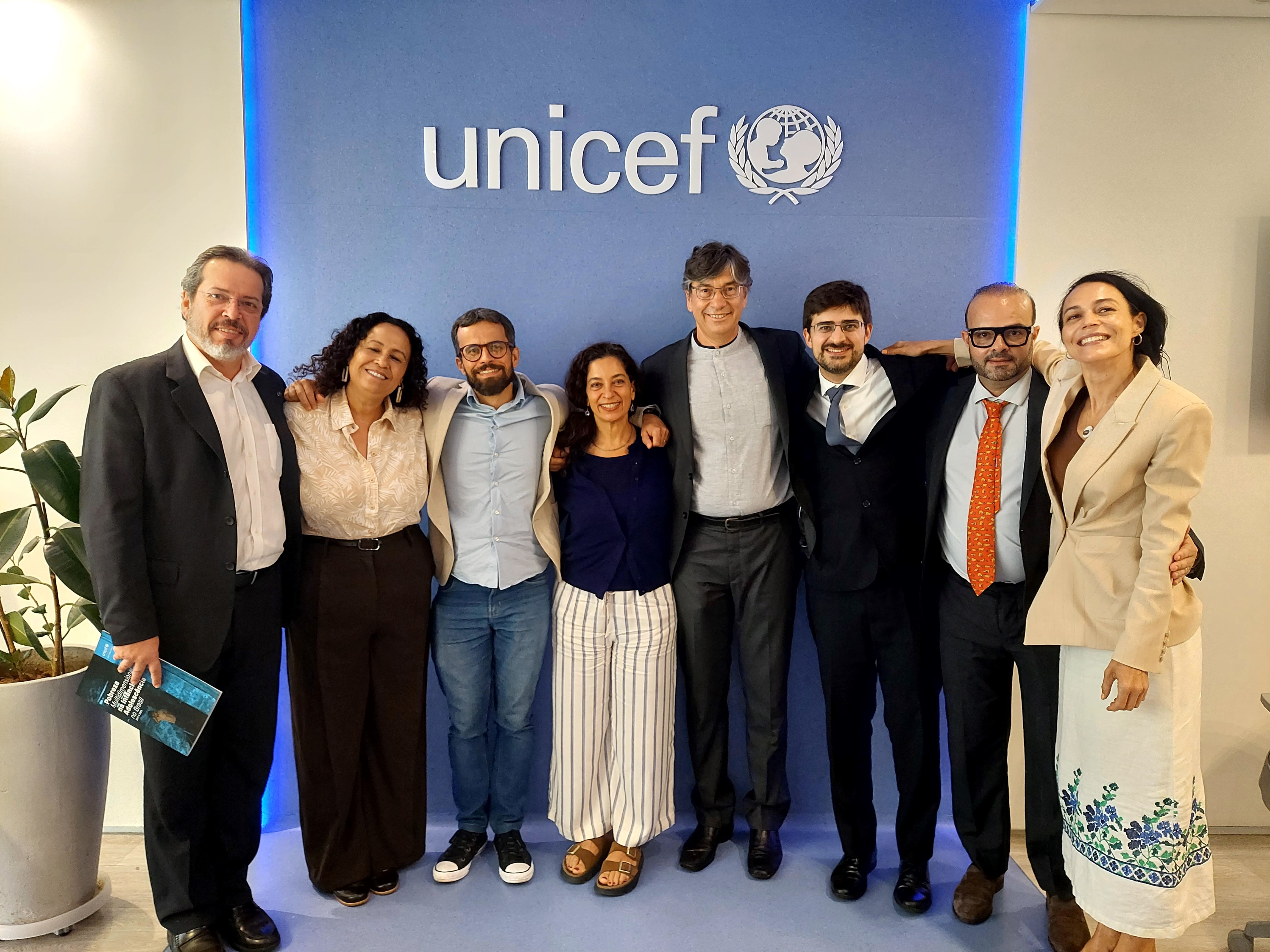
The agreement reinforces the role of the IBGE as a national reference in generating official statistics and highlights the strategic importance of its surveys – such as the Population Census, Continuous PNAD, PNS, POF and PNDS – in guiding public policies aimed at guaranteeing the rights of children and teenagers.
According to the IBGE, the partnership will make it possible to further qualify the diagnosis of inequalities that affect girls and boys in different territories of Brazil, expanding the use of data to support evidence-based government actions. The memorandum is also part of national efforts to monitor the Sustainable Development Goals (SDGs), focusing on goals related to eradicating poverty, access to education, promoting health and reducing inequalities.
The President of the IBGE, Marcio Pochmann, said that the agreement reaffirms its institutional commitment to transparency, the production of high-quality data and the strengthening of public social policies. “The agreement between the IBGE and UNICEF strengthens the production and use of data on children and teenagers, qualifying the diagnosis of inequalities and supporting more effective, evidence-based public policies,” highlighted him.
Among the planned initiatives are the strengthening of technical exchange and the development of joint surveys in priority areas. The agreement includes analyzes aimed at populations in more vulnerable situations – such as indigenous peoples, quilombola communities and migrants – in addition to topics such as multidimensional poverty, mental health of teenagers, sexual violence, school bullying and time use.
The new stage of the partnership also foresees the development of a panel with data from the Population Census dedicated exclusively to childhood and adolescence, expanding the visibility and potential use of this information by public managers, researchers and civil society organizations.
Layla Saad, deputy representative of UNICEF in Brazil, assesses that the cooperation between the institutions, which began in the 1980s, is gaining new momentum and structuring. “The partnership between UNICEF and the IBGE has been fundamental to qualify the production of data on children and teenagers in Brazil. This new agreement reinforces our joint commitment to generating evidences that support more effective and equitable public policies,” states her.
The Memorandum of Understanding will be accompanied by a joint work plan and the creation of a biannual space for monitoring and technical exchange, ensuring continuity and deepening of the cooperation in the coming years.
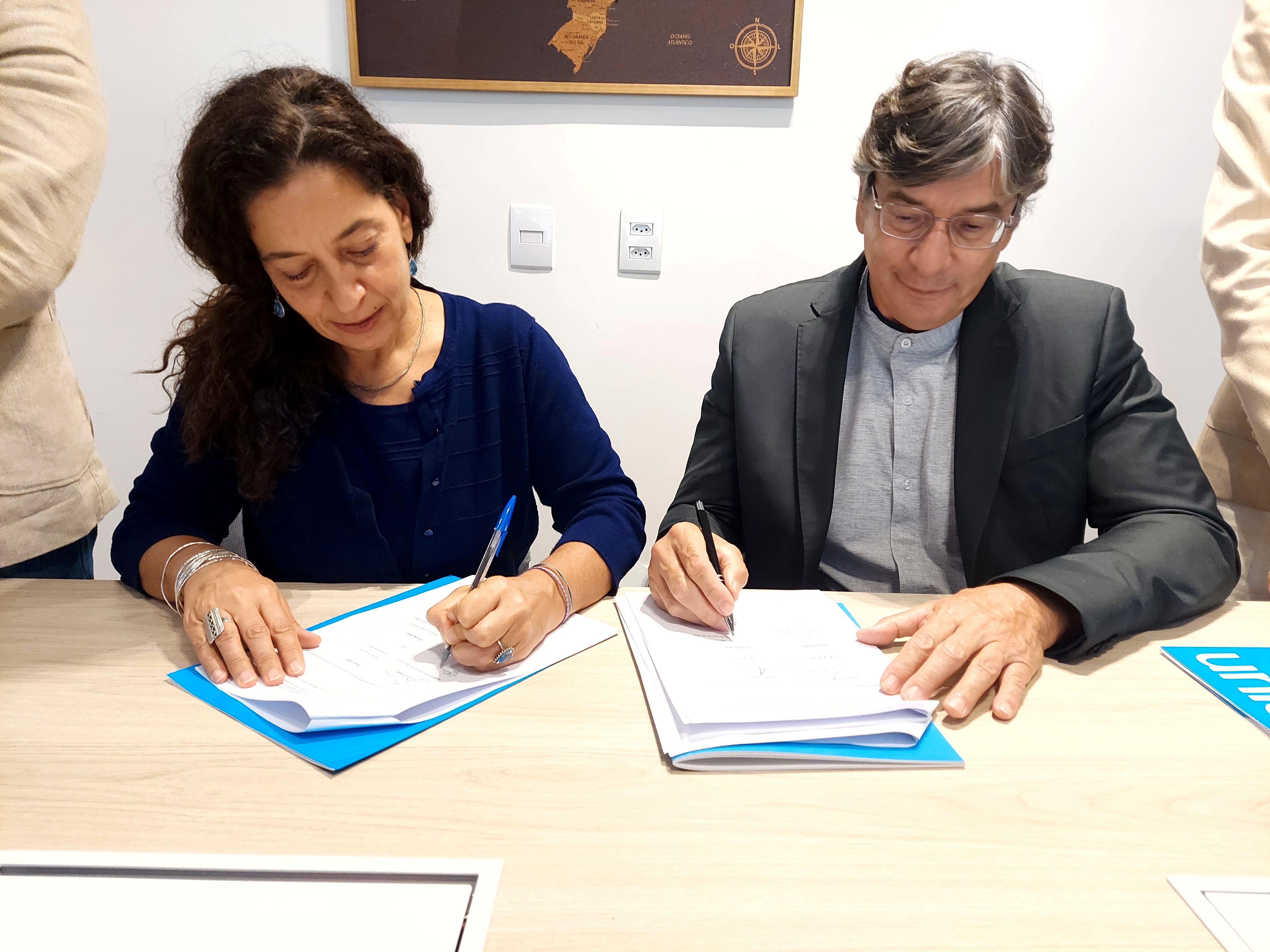
To reinforce the importance of the partnership between the IBGE and UNICEF, the IBGE´s Director of Surveys, Gustavo Junger, highlighted how the renewal of the agreement between the institutions opens up new fronts of action and strengthens strategic initiatives for Brazil.
“UNICEF is a historic partner of the IBGE. The initiative to renew this cooperation instrument opens up a range of possibilities, from the integration of UNICEF in improving the capture of data on children and teenagers in new surveys, such as the National Census of the Homeless Population, as well as the discussion on multidimensional poverty and the preparation of the new poverty map. There is also work with administrative records for vital statistics and work with traditional peoples and communities, which in the last 10 years has made an incredible leap. Without a doubt, UNICEF's expertise in the monitoring work they carry out around the world will be crucial to consolidating this progress,” highlighted Junger.