
Work Plan
In Belo Horizonte, DPE presents 2026 Work Plan focused on PINTEC, POF and census operations


January 23, 2026 05h00 PM | Last Updated: January 26, 2026 04h58 PM
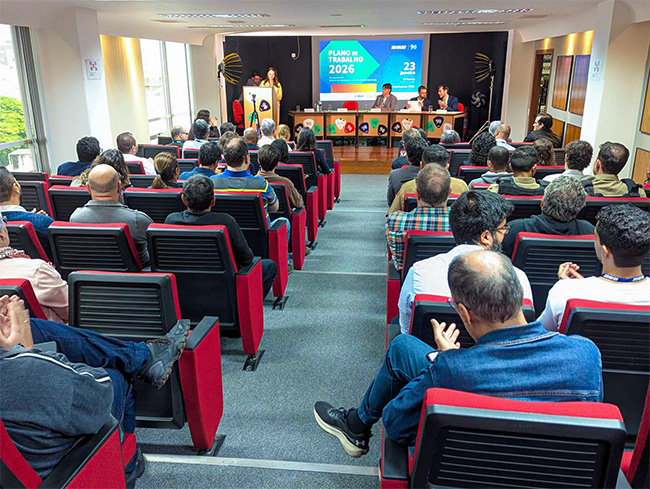
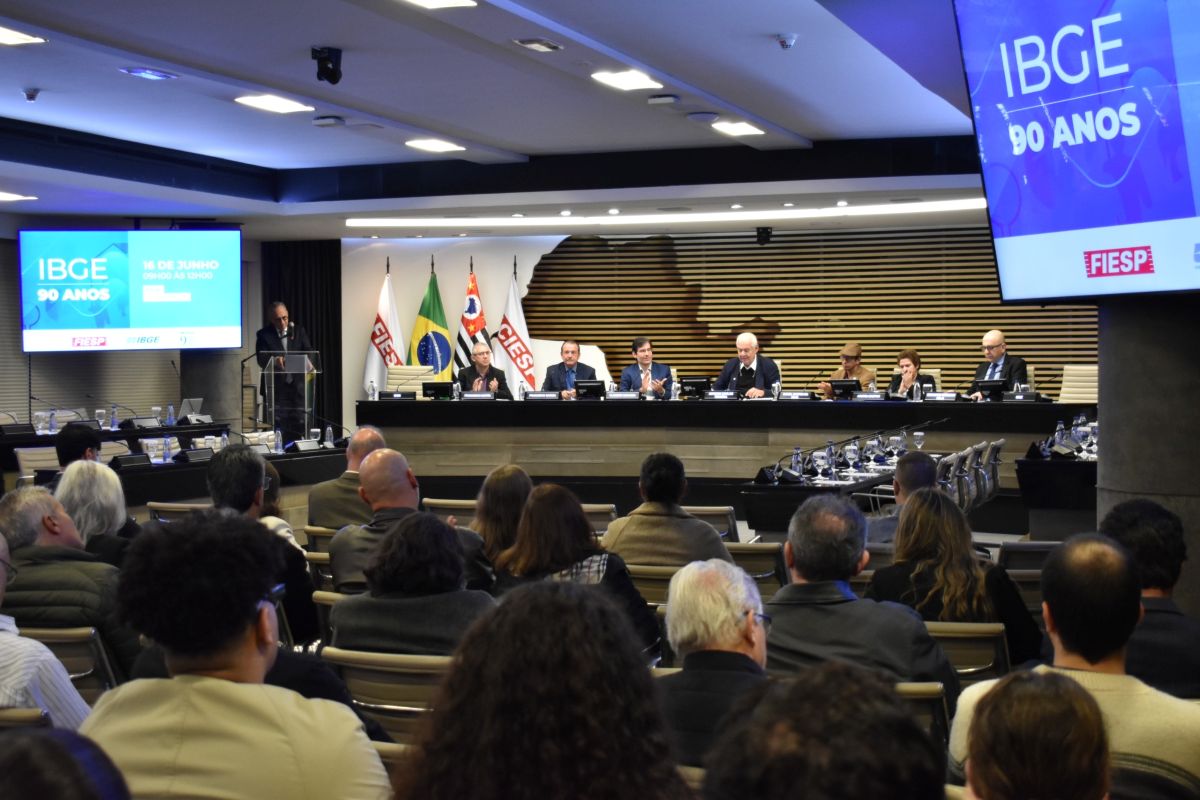
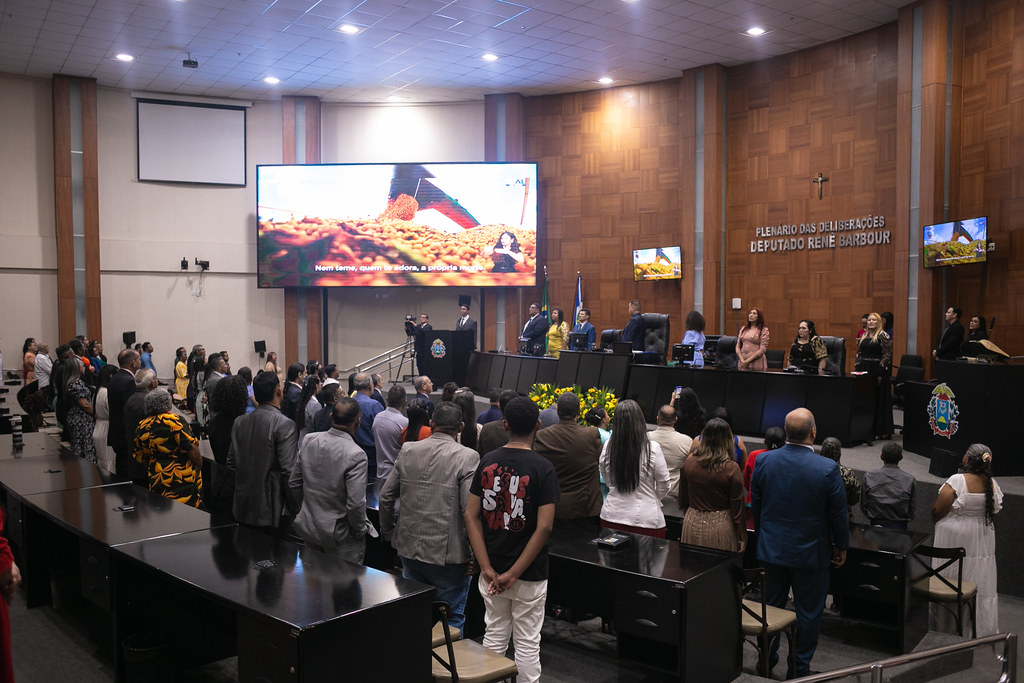
The Brazilian Institute of Geography and Statistics (IBGE) presented this Friday (January 23), in Belo Horizonte (MG), the Directorate of Surveys’ 2026 Work Plan, covering the set of activities associated with the production of Brazil's main economic, social, agricultural and environmental statistics. For this year, more than 200 publications of structural and short-term surveys of the regular plan are planned, as well as experimental statistical surveys, with 186 surveys listed as institutional goals.
"Today we have an integrated plan that gives the dimension of the house's action, so that Brazilians know the richness of the work that is done at the IBGE. This year, we will produce 269 publications. It is virtually one release per business day in Brazil. The IBGE is a producer of information about the reality in Brazil and, with the 2026 Work Plan, we provide transparency to society about what we intend to do with the resources received. For this year, our budget is R$4 billion. In real terms, it is R$1.3 billion higher than the 2025 budget and represents an increase after a long period of budget reduction that the IBGE suffered,” highlighted Marcio Pochmann, president of the IBGE, during the event at the IBGE State Superintendency in Minas Gerais.
“We are now stronger, we have also interrupted the trajectory of losing house officers. With the arrival of the new ones, we have 21% more officers at the IBGE, compared to 2023. With a more robust budget and increased staff, we are able to move forward with the surveys, some of which have even been on hold. We are going to carry out quality surveys, because this is our responsibility,” added the president of the IBGE.
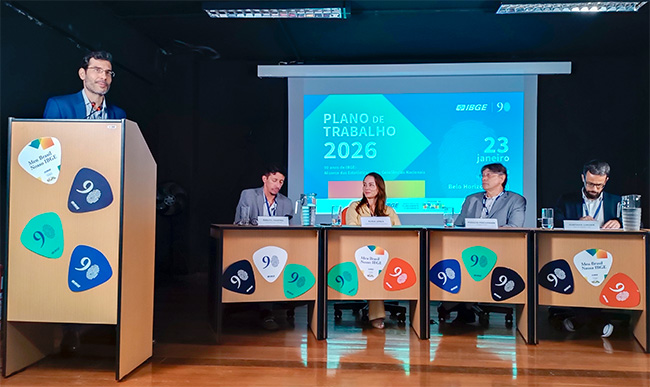
Vladimir Miranda, deputy director of Surveys, commented that the IBGE will work with information produced by the enterprises registry that, in turn, feeds industrial, trade and services surveys; social statistics, such as vital statistics and population projection; and statistics produced based on information from federative entities: MUNIC and ESTADIC. “In 2026, we are operating the final modules of the biannual Survey of Innovation (PINTEC), which is experimental, innovative statistics. In addition, we are starting to collect the data for the three-year PINTEC, which is being resumed and will go into the field this year. The Consumer Expenditure Survey (POF) is also finalizing its data collection and we will move on to analyzing the results and producing statistics. The expectation is to have the first results from POF by the end of this year,” explained Miranda.
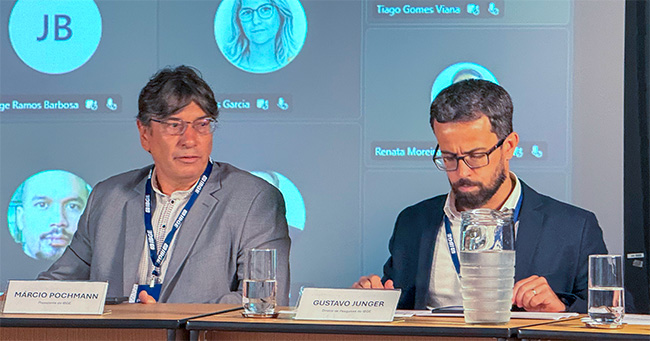
Gustavo Junger, IBGE Director of Surveys, added that in 2026 the DPE will also focus on preparations for important census operations: the 12th Census of Agriculture, Forestry and Aquaculture, the National Census of the Homeless Population, the finalization of the releases for the 2022 Census and planning for the 2030 Census.
12th Census of Agriculture, Forestry and Aquaculture
The activities of the 12th Census of Agriculture, Forestry and Aquaculture began in 2022 and will continue until 2028. With the recent approval of the current Annual Budget Law and the resource contingency, it is expected that nearly R$700 million will be received to carry out this Census. For 2026, the schedule indicates the carrying out of Pilot Test II and the Experimental Census, stages of the pre-test of the Census of Agriculture that will cover different biomes and different agricultural activities, allowing a comprehensive evaluation of the questionnaire, the functionalities of the data collection management system and the innovations proposed for the census operation. In 2026, initial Census Meetings are planned to be held with society and the promotion of partnerships with offices and entities to optimize and facilitate operationalization, as well as updating the register of establishments with contact and geolocation data. “All these actions prepare for the data collection of the 12th Census of Agriculture, scheduled for 2027. The first pilot test, carried out last year, was important for refining the project, as an evaluation of the first data collection experience process. We have a long way to go, but this initial kickoff was essential, towards the second pilot test and the experimental census in 2026,” says Junger.
National Census of the Homeless Population
The National Census of the Homeless Population, in turn, will have its first pilot test in 2026 - an essential milestone to structure an unprecedented operation in Brazil, aimed at reducing the statistical invisibility of this population. Last year, in Niterói (RJ), the IBGE carried out studies and methodological notes that will be fundamental to follow the plan drawn up by the Interinstitutional Working Group established by Decree no. 11,818, of November 12, 2023, of the Presidency of the Republic. The population investigated in the study was that described in Decree no. 7,053, dated December 23, 2009, which established the National Policy for the Homeless Population, dividing it into three categories: on the streets; in buildings; in institutions. “In Brazil, we have the position that the homeless population should be counted in a specific census and not incorporated into the general census, because there is an overlap of this population, due to the characteristics of the household categories of homeless people. This is the reason behind the decision to carry out a specific census operation,” explained the director of the DPE.
Throughout 2026, the DPE will continue the actions that close the 2022 Population Census cycle, with the publication of sample results referring to historically less visible groups and territories — indigenous peoples, quilombolas, favelas and urban communities — and with the publication of the complete methodology of the operation, together with the lessons learned. “In the first semester, we hope to release the Census microdata, after evaluation by the Technical Quality Committee on which confidentiality standards will be applied to this database,” said Junger.
2030 Population Census
Simultaneously, the IBGE is already planning the 2030 Population Census, including carrying out the Public Consultation — an essential stage of the census process through which civil society, academia, public offices and other users can present suggestions and informational demands for the next operation. It is also planned to apply Cognitive Tests to the census questionnaires, which are essential to validate the understanding and relevance of the questions before the first pilot test, scheduled for 2027. “The 2030 Census is already a reality. This year we are going to carry out a public consultation and we intend to take the first Cognitive Tests to the field,” stated Junger. The DPE's Work Plan 2026 includes the continuous updating of the National Address File for Statistical Purposes (Cnefe) and the carrying out of surveys on price and cost, agricultural, national accounts statistics, surveys on Work, Income, Consumption and Social Indicators (themes of sociodemographic nature), among others. This year, the National Accounts base is expected to be updated and the National Survey - of Health PNS 2026, National Survey of Demography and Health - PNDS 2023, National Survey of School Health - PeNSE 2024 and the National Survey of Basic Sanitation - PNSB 2024, in addition to POF 2024-2025 and Pintec 2025, among others.
Also present at the event at the IBGE State Superintendency in Minas Gerais were Leonard Mendonça, President of the Regional Statistics Council; Nicia Espaladori, from the Belo Horizonte Municipal Secretariat of Education; Thiago Ferreira, from the Minas Gerais Association of Municipalities; Feliciano Nogueira de Oliveira, from the State Secretariat of Agriculture, Livestock and Supply; Ângelo Rizzo, from Belo Horizonte City Hall; Carla Marques and Lúcia Veloso, from the Urbanization and Housing Company of Belo Horizonte; Vanessa Cançado, from Incra; Diego Macedo, from the UFMG; and Lieutenant Colonel Frederico Martins, from PM-MG.
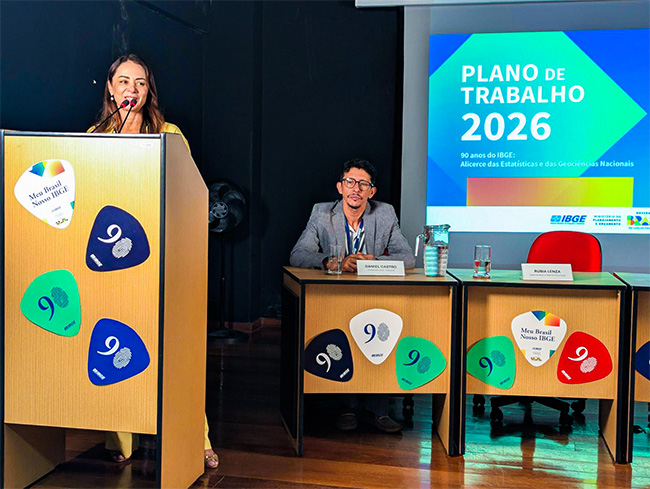
The state superintendent of IBGE in Minas Gerais, Rubia Francisca Silva Lenza, classified as “very significant” the dissemination by the IBGE of the 2026 Work Plan on a regional basis, in the five Brazilian regions: “In the superintendencies, in the states, and in the branches, in the municipalities, this is where the IBGE's work takes shape, it is where the execution of surveys is organized, it is where it coordinates with partners, who are fundamental to the fulfillment of our mission. This is where we mobilize teams, where we face challenges. It is here, therefore, that the results that underpin statistics and geosciences are guaranteed. It is in the 27 superintendencies and nearly 560 branches that the IBGE is represented territorially. The IBGE's capillarity across the territory allows the Brazilian reality to be observed in all its diversity, its regional, social, economic and environmental differences. The daily work of the branches means that the IBGE reaches all municipalities, all communities, all local realities. It may be the most remote location, the IBGE gets there."
IBGE 90 Years
During the event, the general coordinator of the Center for Information Documentation and Dissemination, José Daniel Castro, announced the IBGE 90th anniversary campaign and presented to the public two websites that praise the milestone: “IBGE 90 years”, which throughout 2026 will compile initiatives and contents in celebration of the IBGE's anniversary; and the Memory and History Working Group, whose mission will be the systematization and dissemination of knowledge related to the IBGE's historical documentation, being one of the axes of the celebration of the IBGE's 90th anniversary.
Castro also published the page Management Monitoring, which is located on the IBGE website, created to centralize strategic information and facilitate management monitoring, offering a clear and integrated view of the institution's main reports and goals, allowing agile and informed analysis to support decision-making.
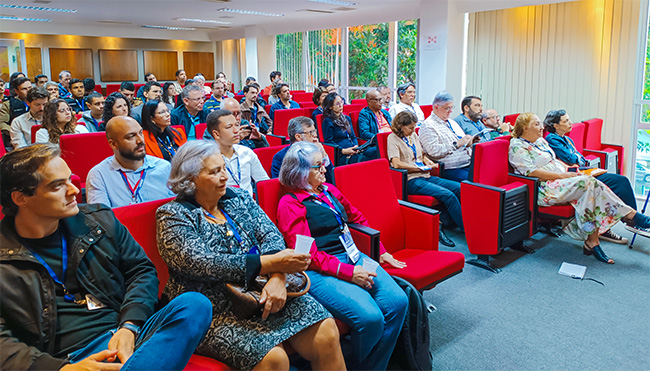
The DPE presentation in Belo Horizonte was the fourth event in the series of five regional meetings that detail aspects of the IBGE 2026 Work Plan. On Tuesday (20), the 2026 Work Plan was presented in São Francisco do Conde (BA); on Wednesday (21), in Brasília (DF) and on Thursday (22), in Curitiba (PR). The next and final edition will be on Monday (26), in Macapá (AP), and will focus on the projects of the Directorate of Geosciences.
Watch the DPE’s presentation of the 2026 Work Plan in full: