
IBGE
With releases at the Itamaraty, IBGE begins to celebrate 90 years


May 04, 2026 03h40 PM | Last Updated: May 05, 2026 03h58 PM
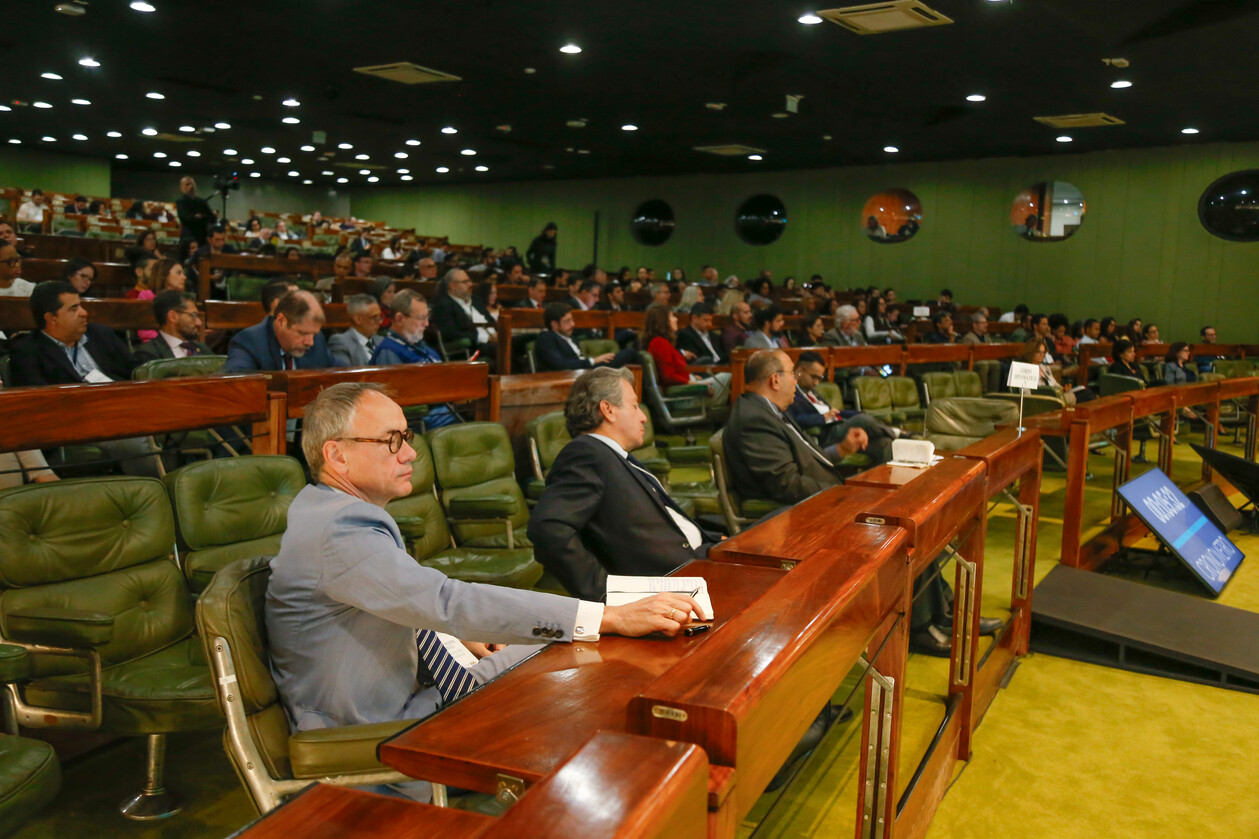
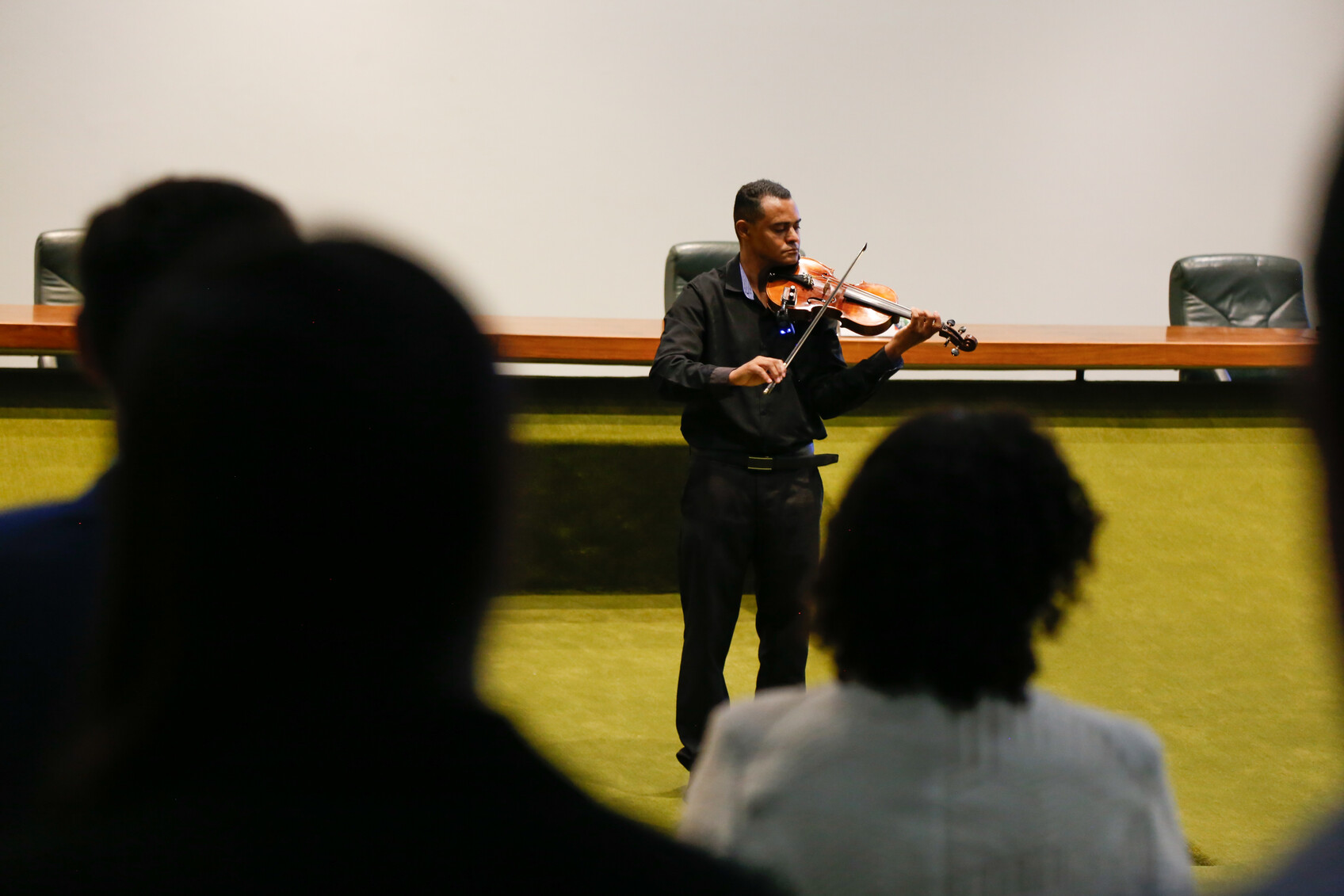
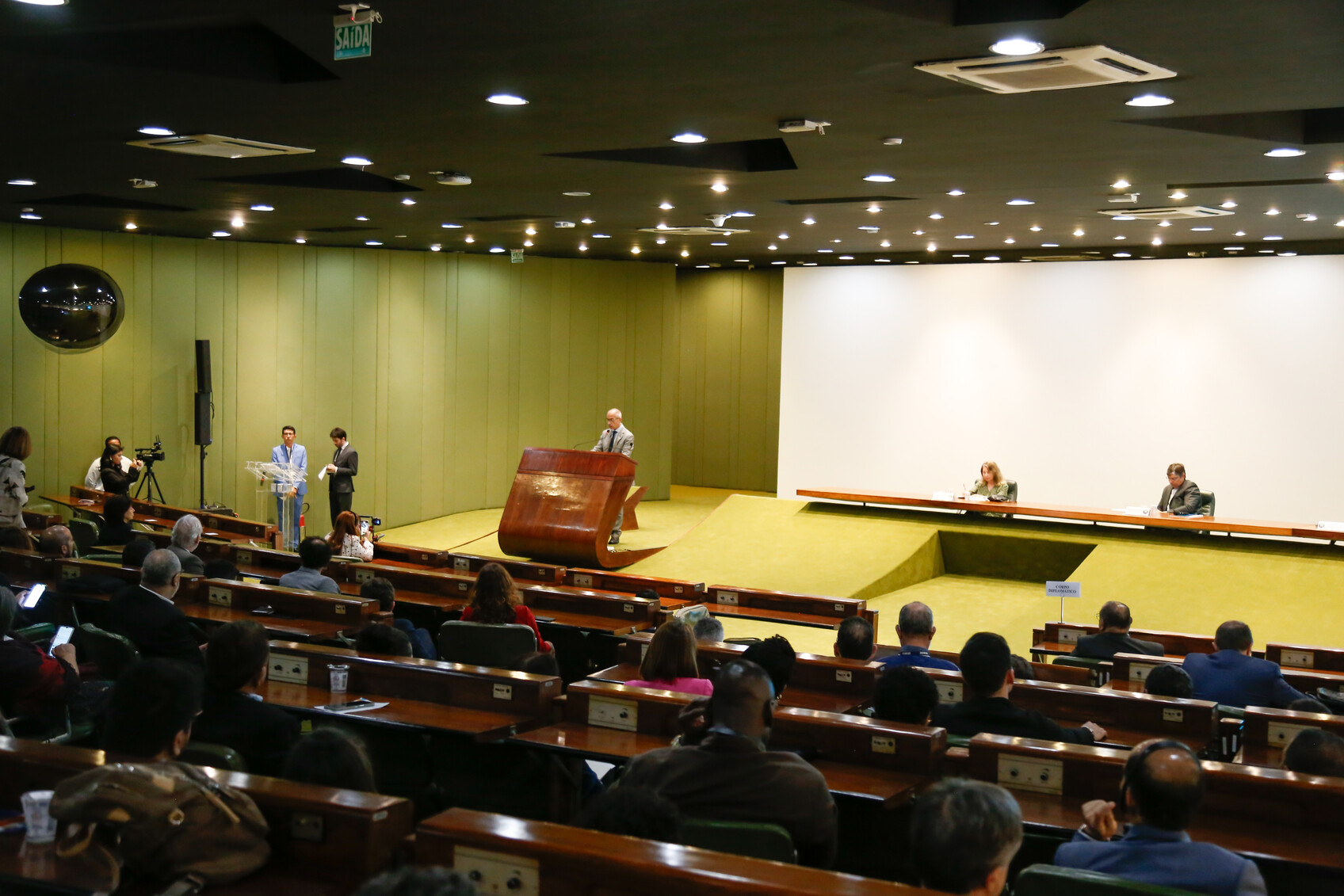
This Monday (04), in Brasília, the Brazilian Institute of Geography and Statistics (IBGE) kicked off the celebrations of its 90th anniversary with a special event that brought together more than 20 diplomatic representations and international organizations, public and private managers. The ceremony, held at the Itamaraty Palace, with support from the Ministry of Foreign Affairs, marked the launch of the publications Brazil in Figures – 2025 and IBGE pelo Mundo (IBGE Around the World), bringing together authorities, experts and guests.
The initiative inaugurates the commemorative calendar of the Institute's nine decades, with the publication of the first special works that highlight both the national statistical production and the IBGE's international activities.
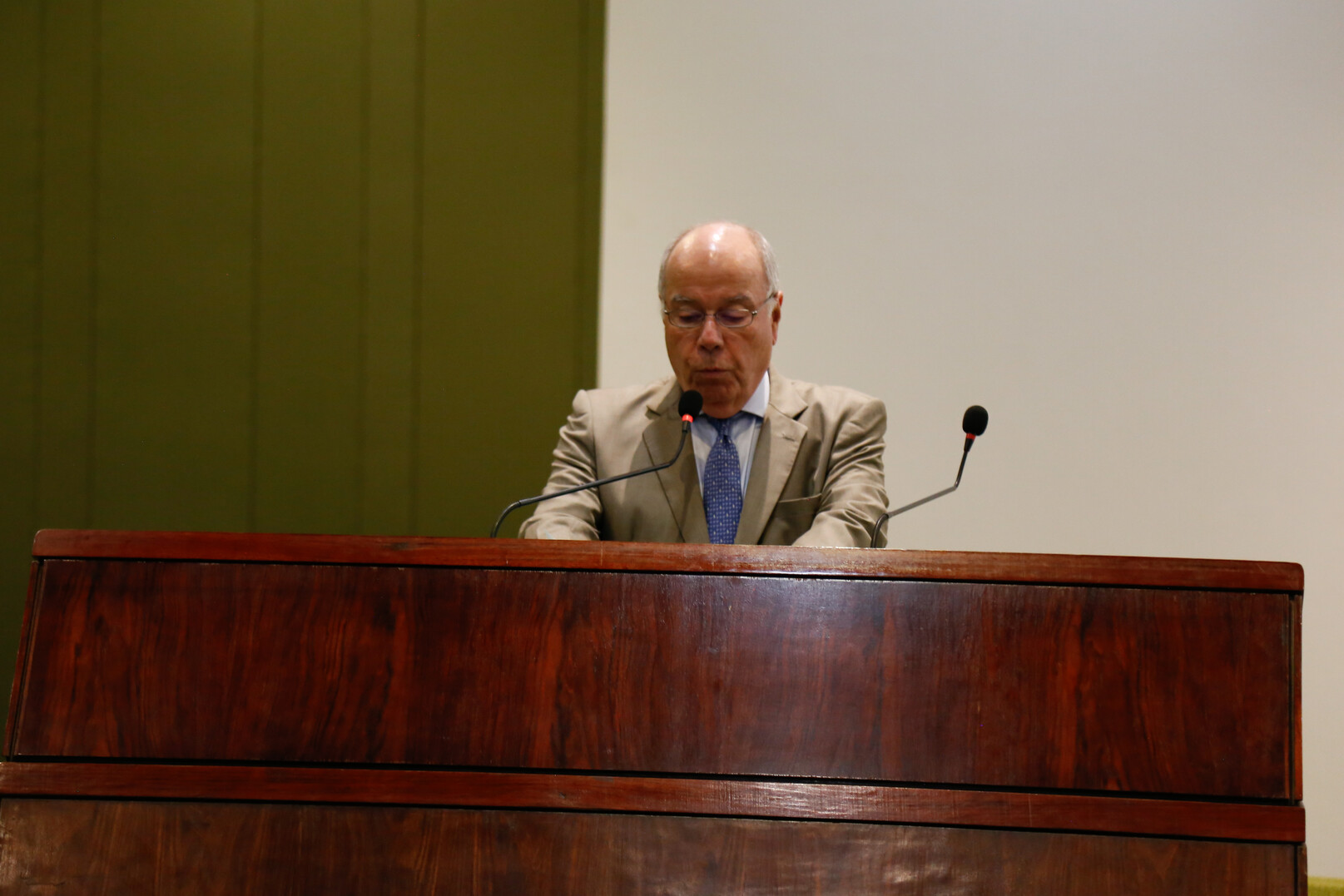
The Minister of Foreign Affairs, Mauro Vieira, spoke of his satisfaction in opening the doors of the Itamaraty Palace to host the event that inaugurates the celebrations of the IBGE's 90th anniversary. “Institution whose history is intertwined with the construction of modern Brazil and the continuous effort to understand our reality in all its complexity. Throughout its history, the IBGE has established itself as a reference in the production of statistics and geographic information. Its data not only helps to understand the country, but it also reveals trends and offers the necessary bases for planning public policies and for projecting Brazil into the future.”
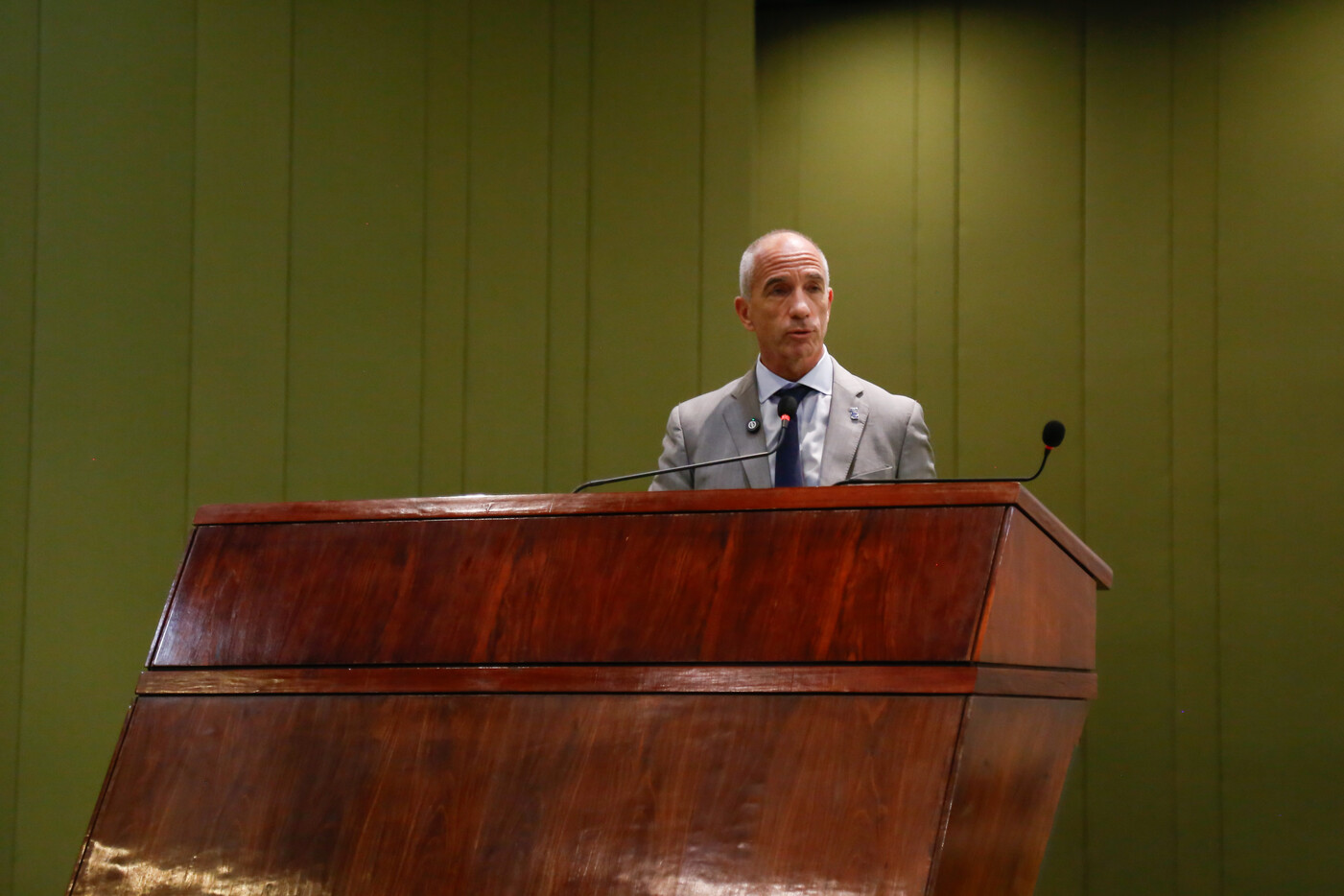
The resident representative of the United Nations Development Program in Brazil (UNDP), Claudio Providas, recalled the celebration of nine decades of the IBGE. “Ninety years ago, Brazil made a bold commitment: to know itself, count its population, map its territory and base its decisions on concrete data. This commitment gave rise to the IBGE. Today, it is stronger than ever. UNDP is proud to be a partner on this journey, through technical cooperation projects coordinated with the Brazilian Cooperation Agency. We are working together to strengthen the way statistical and geographic knowledge reaches society — not just with data, but as a tool for citizenship, public policies and development.”
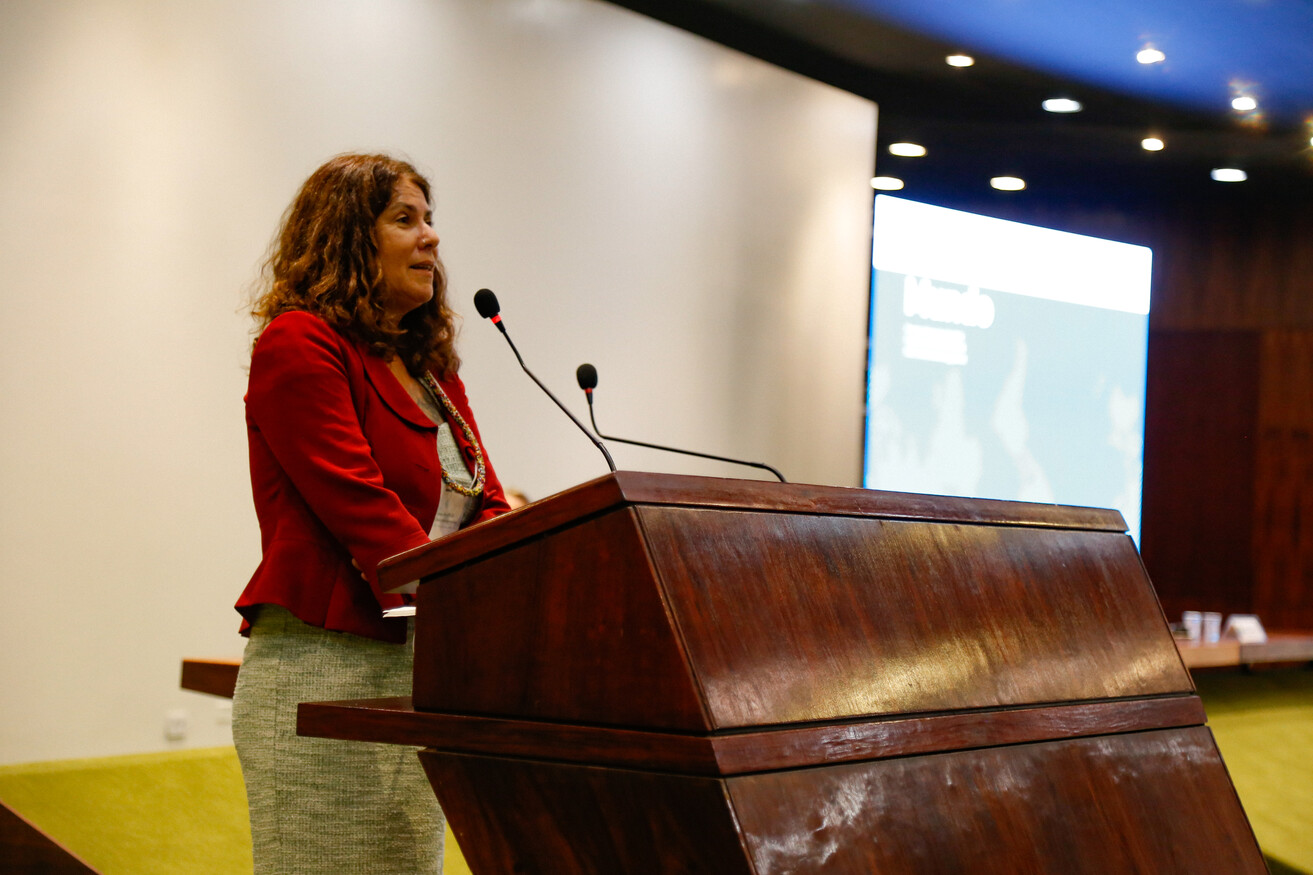
Maria Luiza Ribeiro Lopes, deputy director of the Brazilian Cooperation Agency, highlighted the partnership with the IBGE. “Over decades of partnership with the IBGE, we have worked on South-South cooperation. One example is a two-way cooperation between Brazil and Colombia, involving cartographic inputs and products for land management in both countries. With some countries, we already have a very important horizontal cooperation, because it means exchanging experiences and learning. This is an example of the work we develop with the IBGE.”
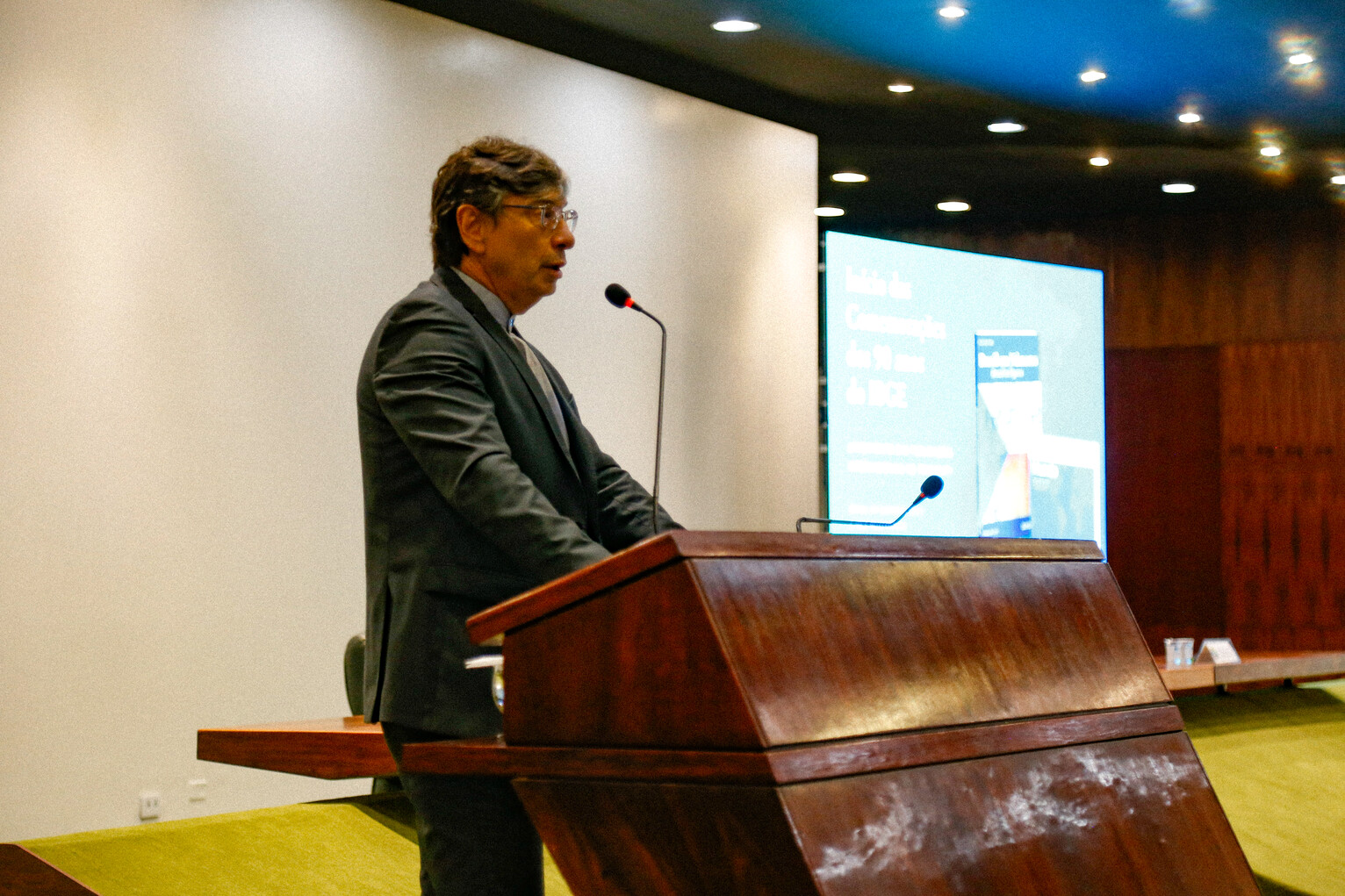
The president of the IBGE, Marcio Pochmann, also thanked the welcome at this celebratory moment. “We are not only opening the celebrations of the 90th anniversary of the national statistical and geographic system, but also celebrating 155 years since official statistics were established in our country. Statistics were introduced and transformed at singular moments in Brazil’s history.”
International Participations
Tomaz Correa Mendonça, representative of the UNHCR (United Nations High Commissioner for Refugees), was among those present and reinforced the partnership between the bodies and the IBGE.
"Within the UN system, I have been following some other events in which the IBGE leads initiatives within the scope of the UN Data Hub. This demonstrates the importance that Brazil has given to statistics, evidence and operations, serving as a global reference. We work very closely with the IBGE on the Census, so that the Institute considers refugees in its statistics,” highlighted him.
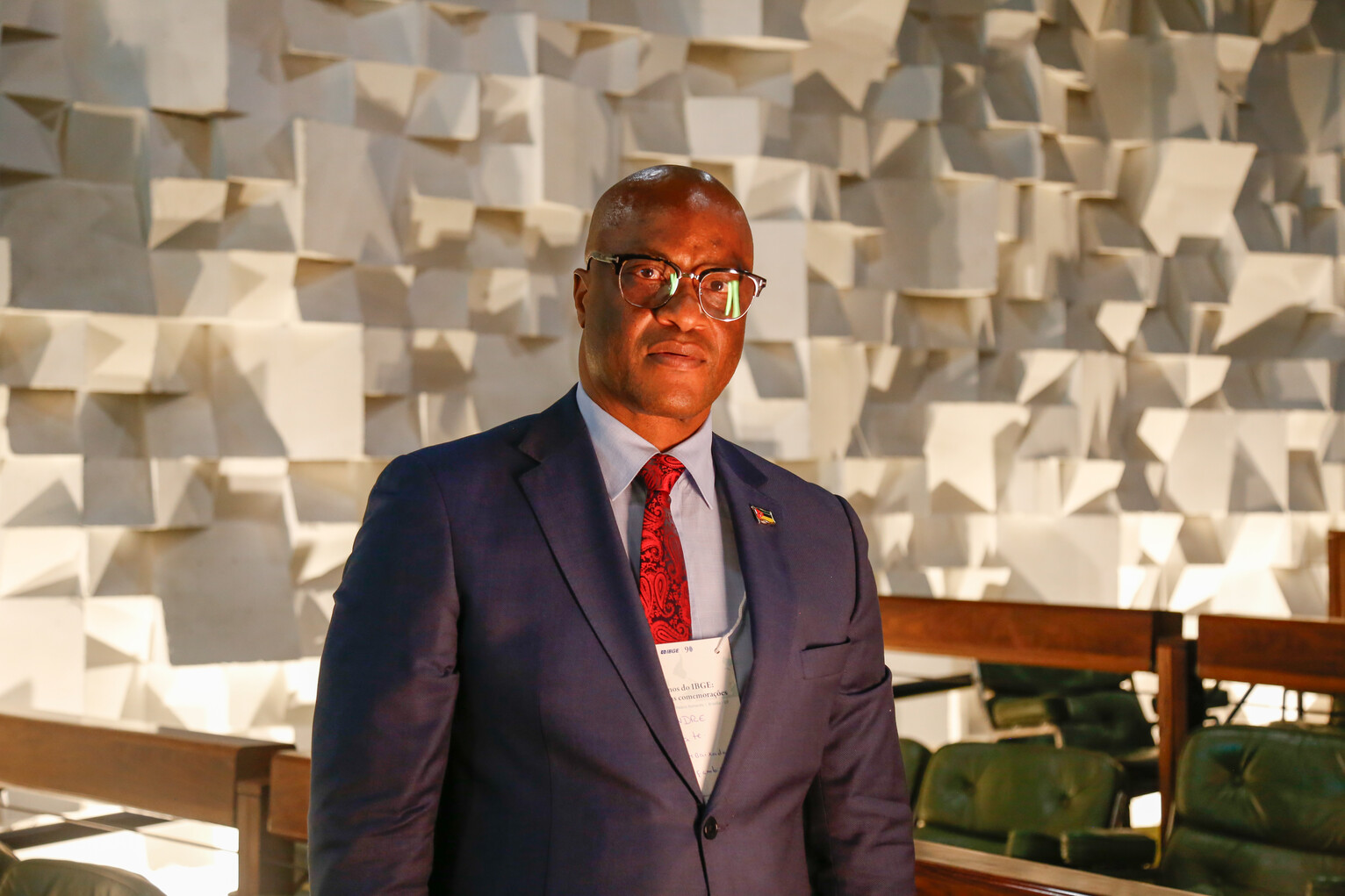
The ambassador of Mozambique, Alexandre Monjate, spoke about the actions involving the two countries. “The IBGE is helping us with its experience in the area of statistics and, with this, we will be able to provide the government with concrete data about our population.”
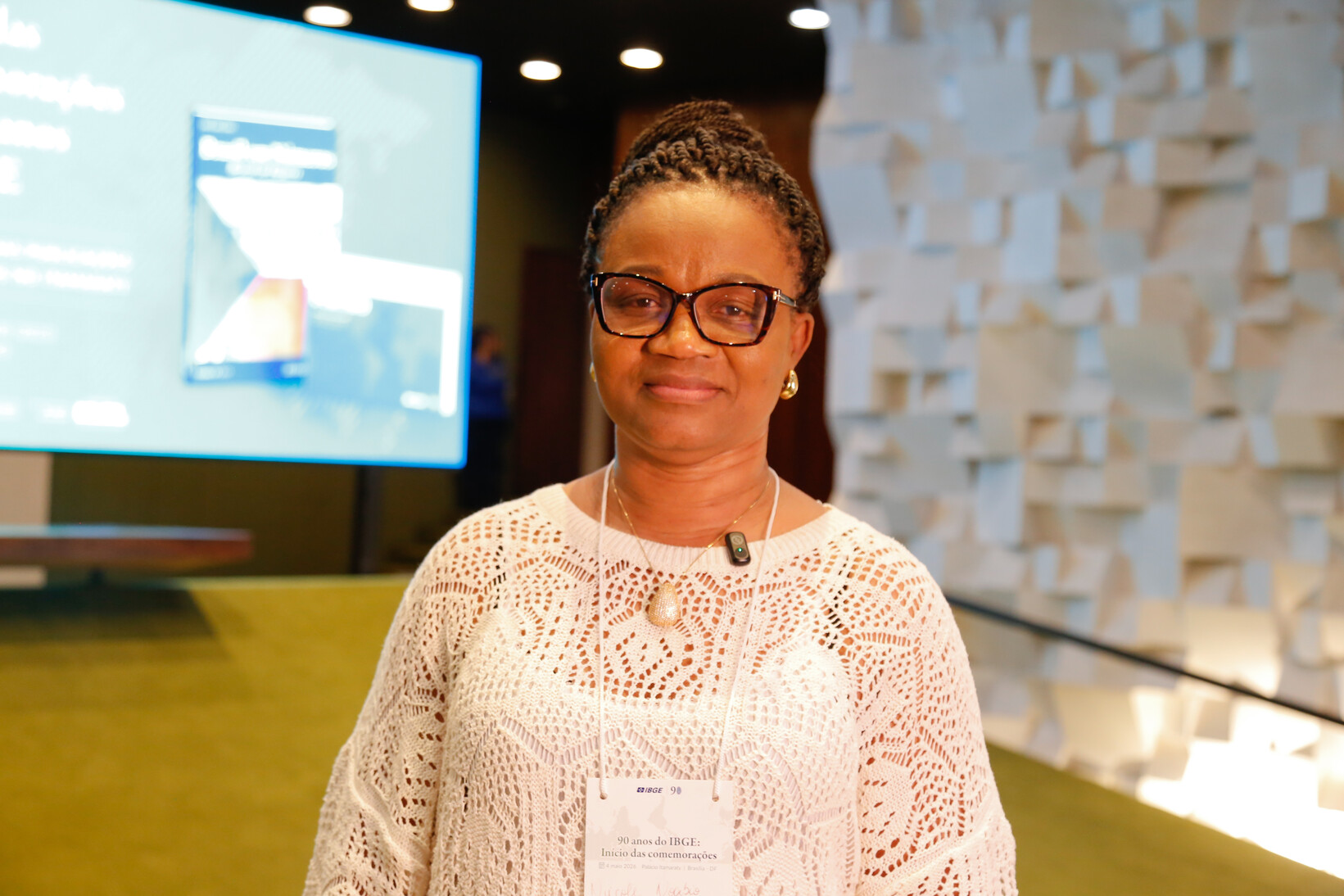
Nicole Naobio, representative of Gabon, highlighted the connection between the institutes and governments. “Events like this improve collaboration between countries.”
IBGE pelo Mundo
The IBGE pelo Mundo publication, launched in Portuguese, Spanish and English, shows an overview of the main international actions carried out by the IBGE in 2025, expanding access to information and strengthening cooperation with partner countries.
In this edition, Brazil's Pro Tempore Presidency in Brics and Mercosur deserves to be highlighted, which gave IBGE the responsibility of presiding over the Group of Heads of Brics Statistical Offices and the Mercosur Specialized Statistics Meeting.
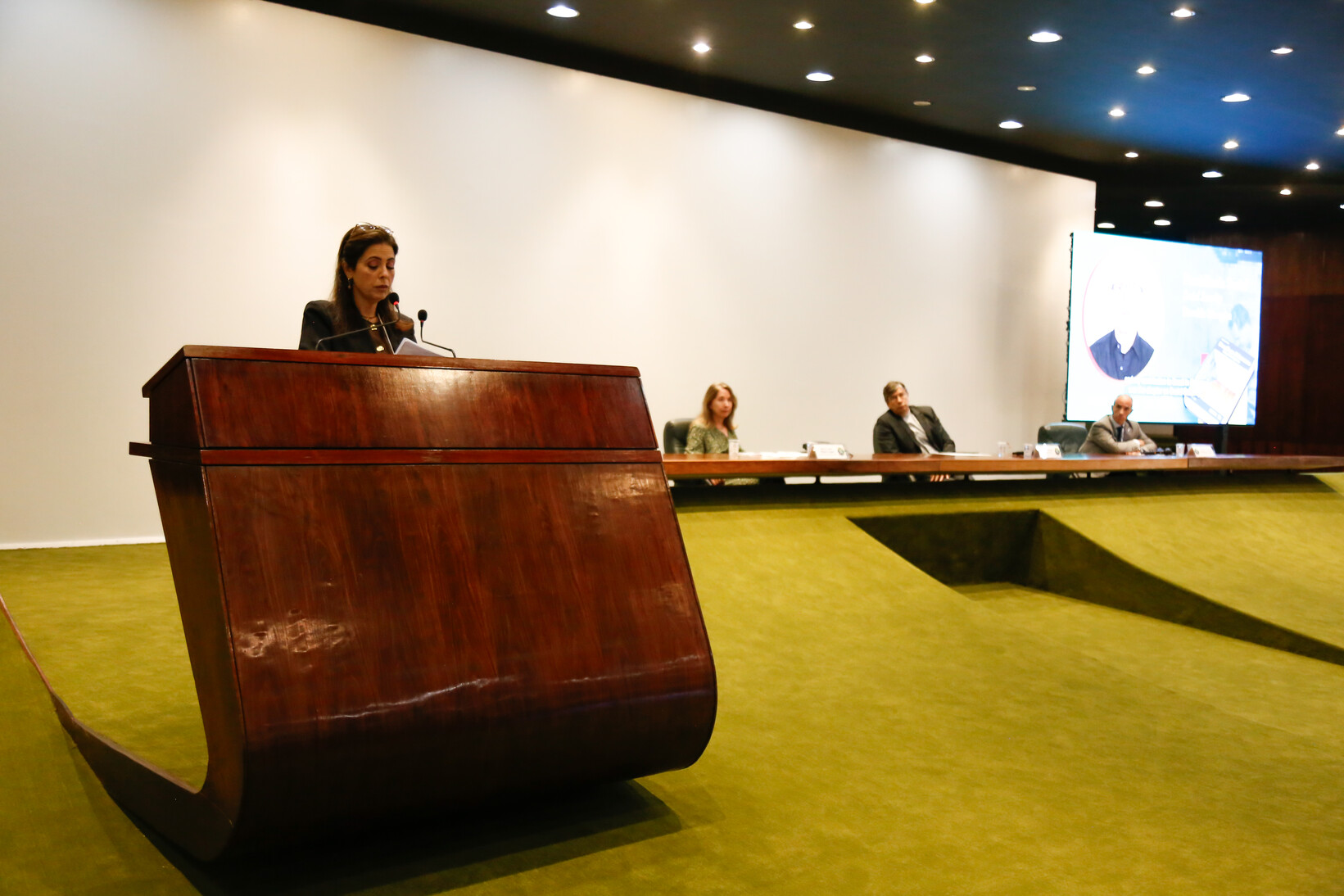
The IBGE's International Relations manager, Andréa Diniz da Silva, highlighted that this is the first publication on the topic. “It is a publication that highlights Brazil's presence abroad in the area of statistics and geosciences, focusing on several areas of activity. IBGE has four main areas of activity. It is, therefore, a particularly important publication, as it was launched in the year in which Brazil held the pro tempore presidency of BRICS and Mercosur, two blocs that bring together important countries in the South-South cooperation.”
In both instances, the IBGE actively participated, approving proposals for the creation of a Secretariat and several Working Groups, with a view to improving processes and working methods in the production of data and information, both statistical and geoscientific.
Also worth mentioning is the organization of the Triple International Forum on Governance of the Global South, which brought together representatives of the National Statistical Offices of BRICS, Mercosur and the Community of Portuguese-Speaking Countries (CPLP) countries, with which the IBGE maintains active collaboration.
The IBGE's activities on the international scene were developed on four main fronts: participation in statistics and geosciences forums; technical cooperation; collaboration with international organizations and other partners; and organization of international events.
Brazil in Figures – 2025
In its 33rd edition, Brazil in Figures – 2025 provides a comprehensive portrait of the Brazilian social, demographic and economic data. For the first time ever, the articles were written by the IBGE experts, and the illustrations are based on the institutional collection.
In each volume, the topics covered receive the contribution of prominent experts in the area of each topic covered, through comments and the presentation of data, tables and graphs. It is a valuable consultation tool and a basis for analysis and planning in different spheres and purposes.
This year, it is a commemorative edition, and the articles were prepared by in-house professionals, forming part of the events commemorating the IBGE's 90th anniversary. The exception is only the topic Judiciary Power, written by the National Council of Justice (CNJ).
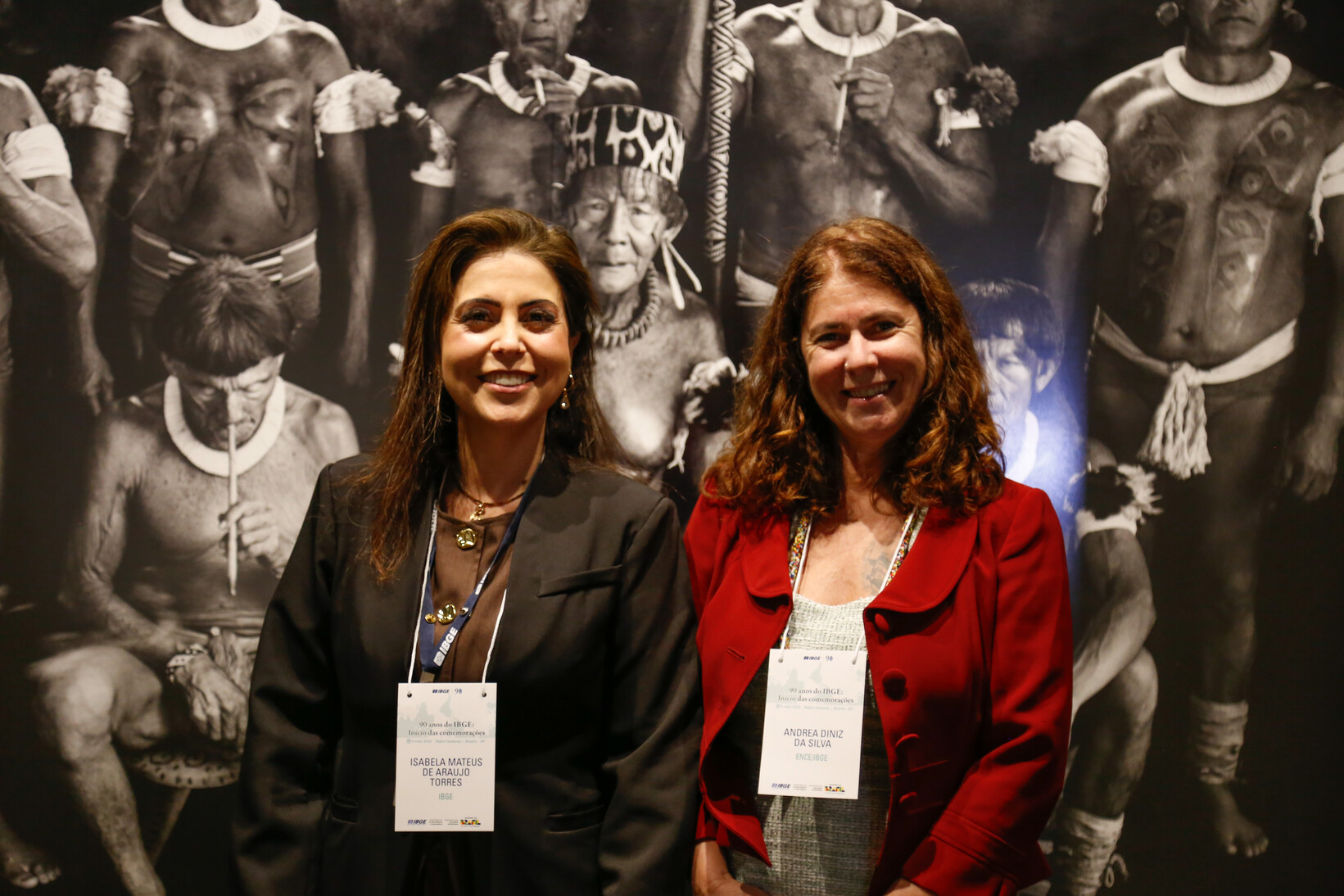
The IBGE's Information Retrieval Manager, Isabela Mateus de Araújo Torres, spoke about the joy of celebrating the institution's 90th anniversary with the release of this publication.
“This launch at the Itamaraty Palace reinforces the international dimension of the publication. Brazil in Figures was born from the desire to present the country, communicate its multiple dimensions and bring statistical knowledge closer to society. The main source of information for the publication is data from surveys carried out by the IBGE, in addition to data from partner institutions, such as the Central Bank of Brazil, regulatory agencies, federal ministries and some of their linked institutions.”
In this issue, the publication is illustrated with images from the IBGE collection, meticulously selected. In addition to the cover, each theme covered by the volume begins with images of existing works at the IBGE.
Brazil in Figures is compact in format, light and easy to handle. Its content is available in Portuguese and English, further expanding the impact and scope of the information.
Detailed maps
On May 22, the International Day for Biological Diversity is celebrated. The date, established by the United Nations, honors the approval of the final text of the Convention on Biological Diversity, on May 22, 1992. The theme of the 2026 edition is “Act locally for a global impact”, encouraging community actions and local practices, such as selective garbage collection and conscious consumption, which generate positive impacts on a global scale.
To mark this date, the IBGE launches the world map “Species Richness 2025”, which provides information on biodiversity around the world, through the species richness indicator, which measures the potential quantity of species of amphibians, birds, mammals, reptiles, crustaceans and freshwater fish that occur in each 100 km² cell.
“The IBGE has great expertise in producing maps of Brazil, its international, state and municipal borders. We understand that, in the 21st century, it is absolutely understandable to have a broader vision of what Brazil represents in the world. It was precisely from this perspective that the IBGE colleagues helped to construct a world map in a different way from that which has traditionally been presented over the last 500 years. We started to place America, and especially Brazil, at the center of the world and, at the same time, to present it in an inverted way, because, as we know, we are talking about a planet that is not flat and, therefore, allows variations in the point of view of your perspective. Moreover, we innovate and strengthen the public spirit of reflecting the transformations taking place in the world and the leading role that Brazil has — and can have even more,” said President Marcio Pochmann.
In terms of cartographic representation, the map shows Brazil centrally, as a representation of its importance in the current social and political context; presents the traditional North–South orientation inverted, as a reminder that there are different ways of viewing the world; and incorporates the novelty of the Equal Earth cartographic projection.
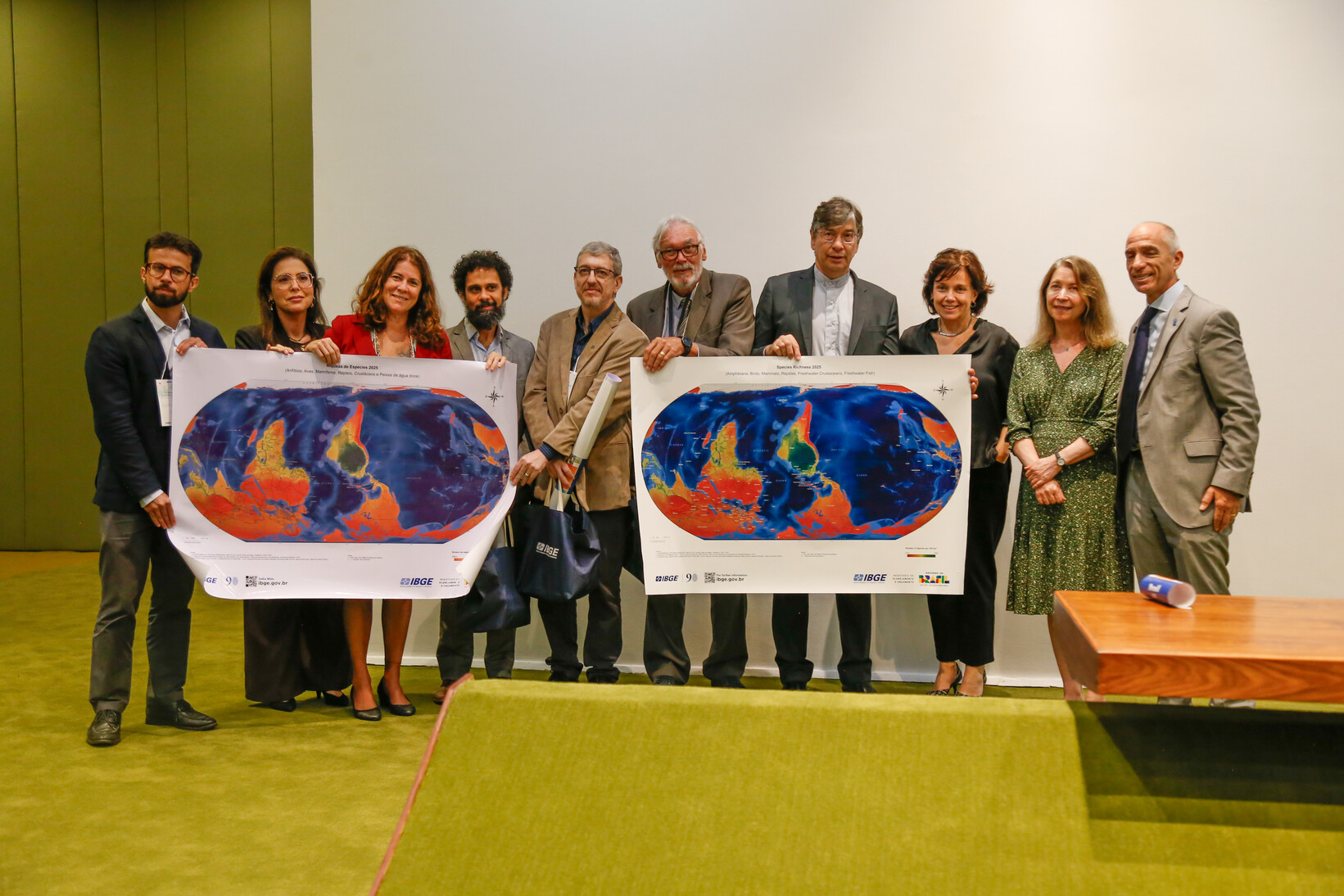
Moreover, this projection seeks to promote a fairer and “decolonized” view of the world, correcting the Eurocentric bias present in traditional maps and serving as an educational and more balanced representation tool.
The Mercator projection, the most commonly used, was created in the 16th century by the Flemish cartographer Gerardus Mercator. Its objective was to assist European navigators, allowing straight-line routes to be plotted on flat maps, maintaining a constant compass angle, which facilitated travel over long distances. However, this projection distorts the continental masses, enlarging regions close to the poles — such as North America and Greenland — and reducing Africa and South America.
In the Mercator projection, Greenland and Africa appear to be approximately the same size. In the Equal Earth projection, which shows the continents in their real proportions, it would be possible to fit 14 Greenlands within the African continent. Check out the map at the IBGE Store.
Access the publications below:
Brazil in Figures – 2025
IBGE pelo Mundo