
Geosciences
Seminar on Geoinformation celebrates the Cartographer's Day at Casa Brasil IBGE


May 06, 2026 09h45 AM | Last Updated: May 06, 2026 04h55 PM
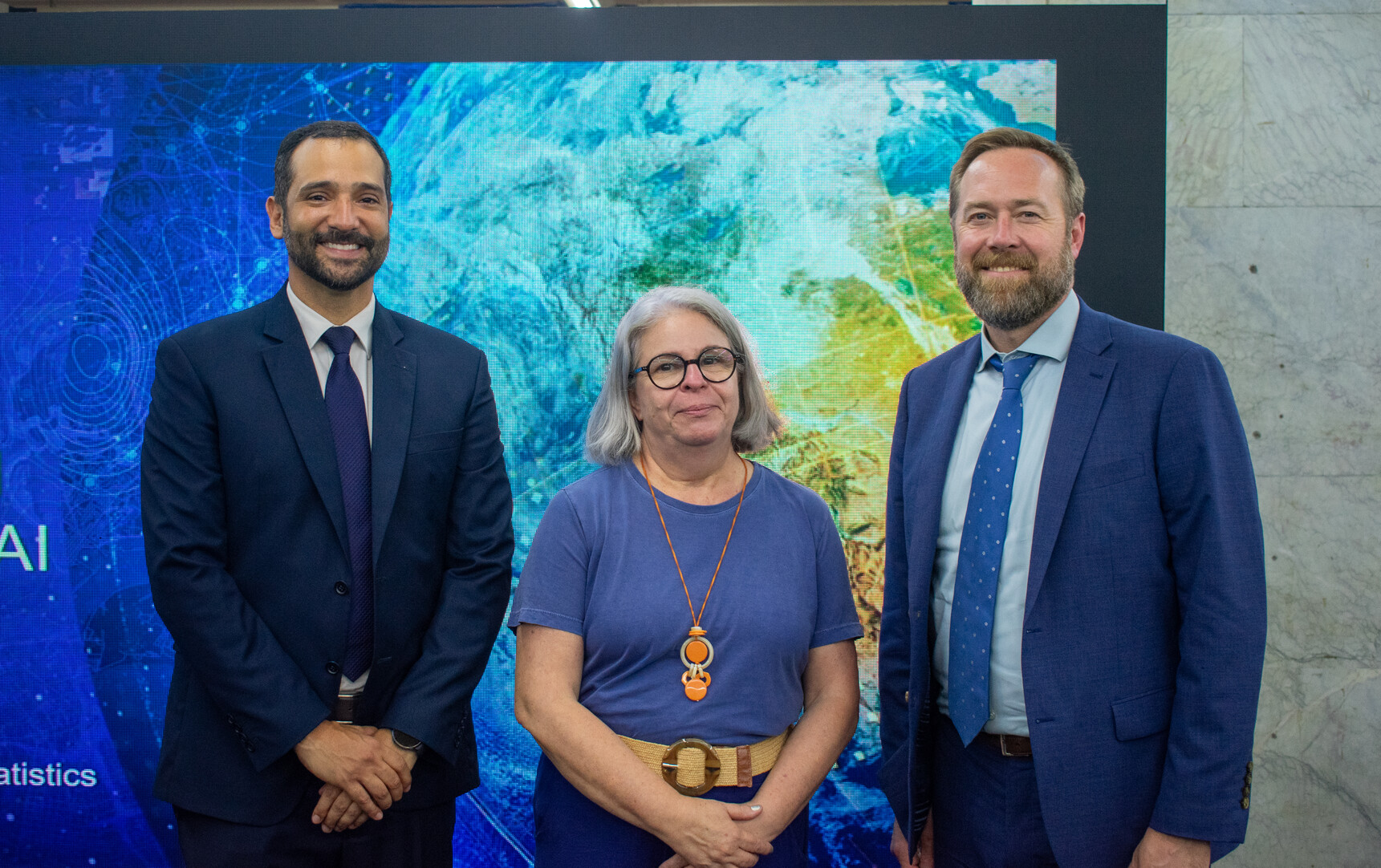
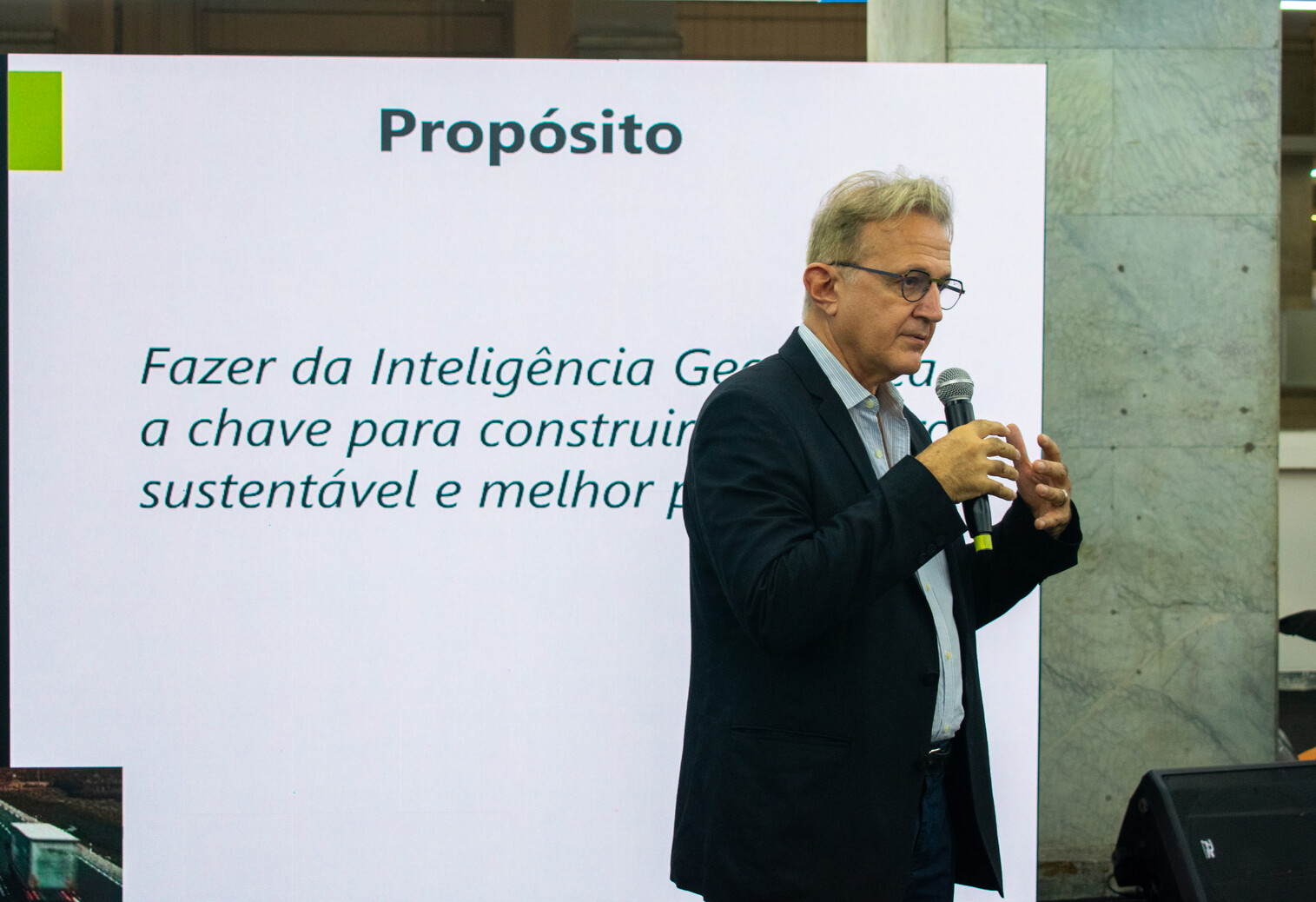
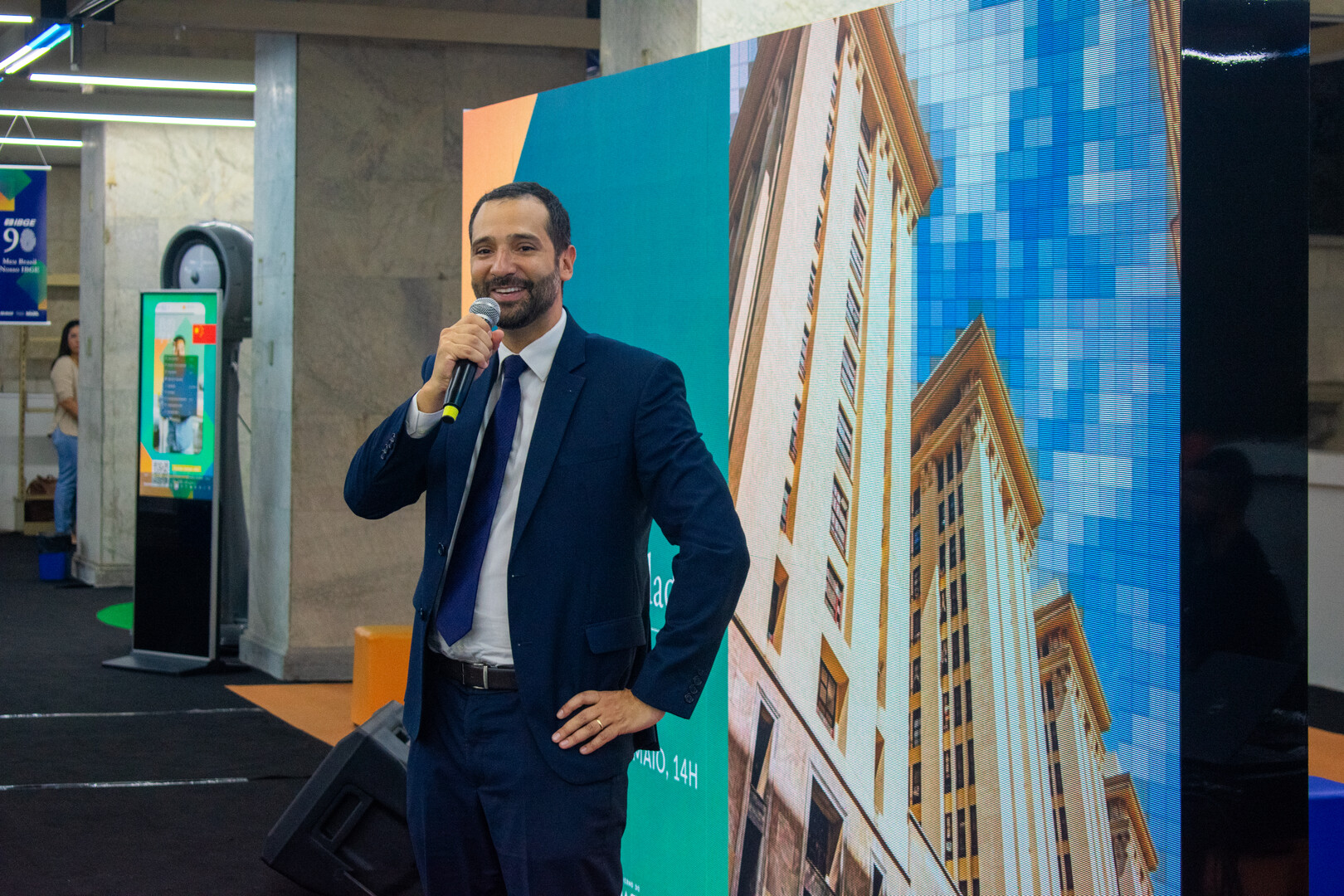
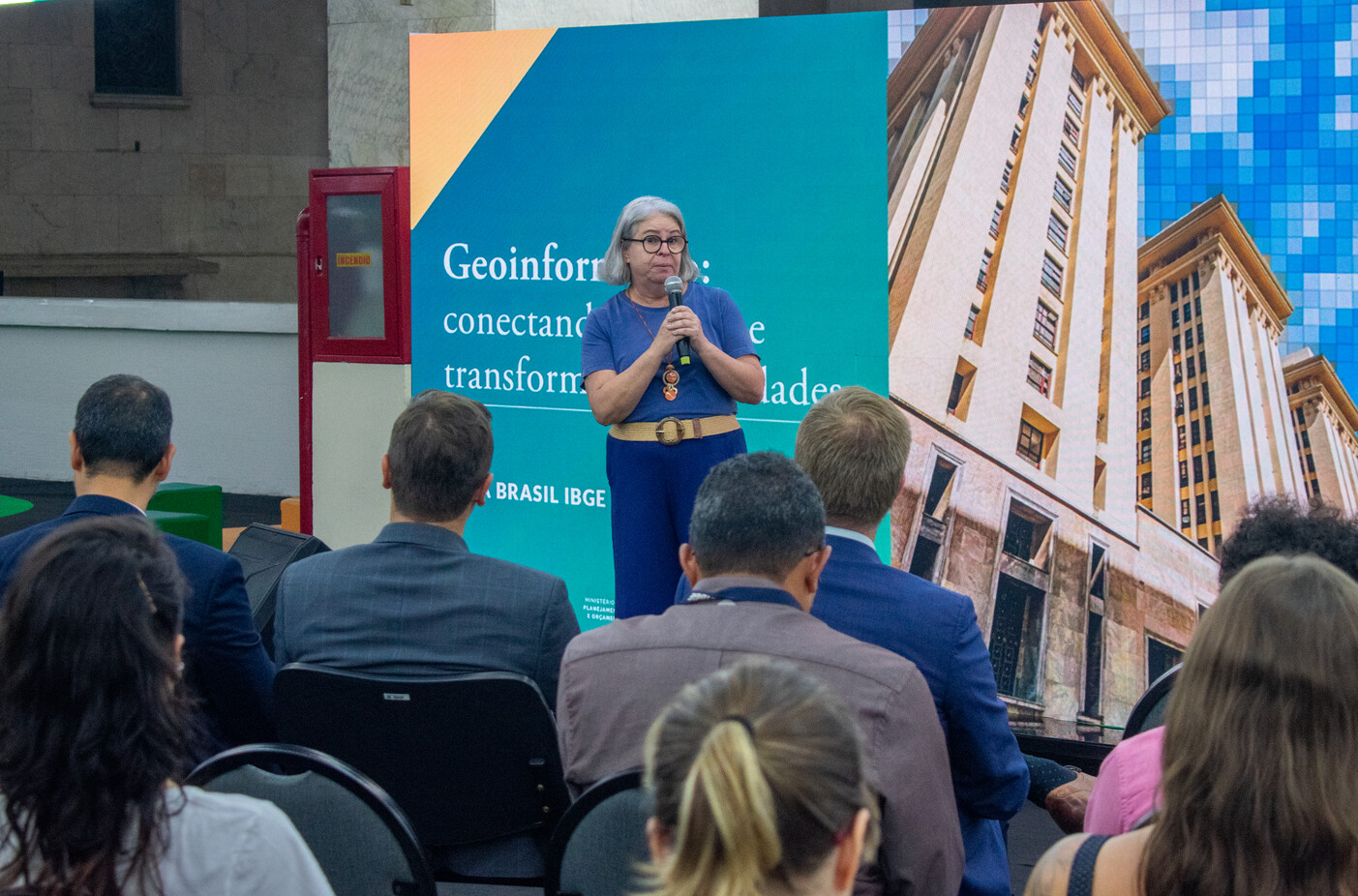
The IBGE gathered, yesterday (5), experts from partner institutions for the seminar Geoinformation: connecting knowledge and transforming realities, held at Casa Brasil IBGE, in Rio de Janeiro. During the meeting, which is one of the initiatives to celebrate the Cartographer’s Day (6), professionals from Imagem Geossistemas and the Environmental Systems Research Institute (ESRI) presented maps, trends, technologies and applications related to the geospatial field.
Both institutions work in partnership with the IBGE in geographic information systems (GIS), localization intelligence and mapping.
In the opening speech, the IBGE’s director of Geosciences, Maria do Carmo, addressed the diversity of geoinformation activities. “In this century there has been an increase of geoinformation. It was a niche for cartographers before, but geoprocessing led it to expansion. Now a number of professionals deal with this technology, for example, physicians and journalists. In medicine, epidemiology is strongly related to geospatial information.”
The business development executive at Imagem, Caio Dias, highlighted the partnership between the company and the IBGE in strategic projects. a parceria da empresa com o IBGE em projetos estratégicos. Following that, innovation director Nuno Graça recalled that people are always asking where their clients are, asking about competitors, about risks. "Where is so important that it should be treated like science. In this context, institutions such as the IBGE, Imagem and ESRI practice the ‘science of where’ with excellence.” He also informed that the company has been investing in GeoIA, which is an artificial intelligence application combined with geospatial data, for gains in productivity and to empower users of information.
The main lecture was delivered by the Development manager of ESRI, Kate Hess. She presented a series of examples of how national statistics institutes are implementing and benefiting from GIS and AI by means of the geospatial platform ArcGIS, which gathers an assortment of tools related to the field operation, images, remote sensing, 3D visualization, real time visualization, among others.
“All these tools play a specific role in the operations of statistics institutes. The preparation of a Census, data collection in the field, analysis and dissemination tot e public and decision-makers,” said Kate. She also showed how GIS helps in planning, enumeration and dissemination, three of the fundamental steps that are part of the statistical process.
Kate discussed the many possibilities of working with geoinformation using the ArcGIS platforms in different parts of the world. For example, how trained models allow the user to differentiate buildings in a densely grouped area based on satellite images of a village in India, where they would not be visually distinguishable. She also brought data produced from satellite images that indicate the existence of highways in Kwait and the monitoring of agricultural production in Germany. In another example, seen in part of the territory of California, in the United States, showed functionalities that allow to group in the map speakers of a given language.
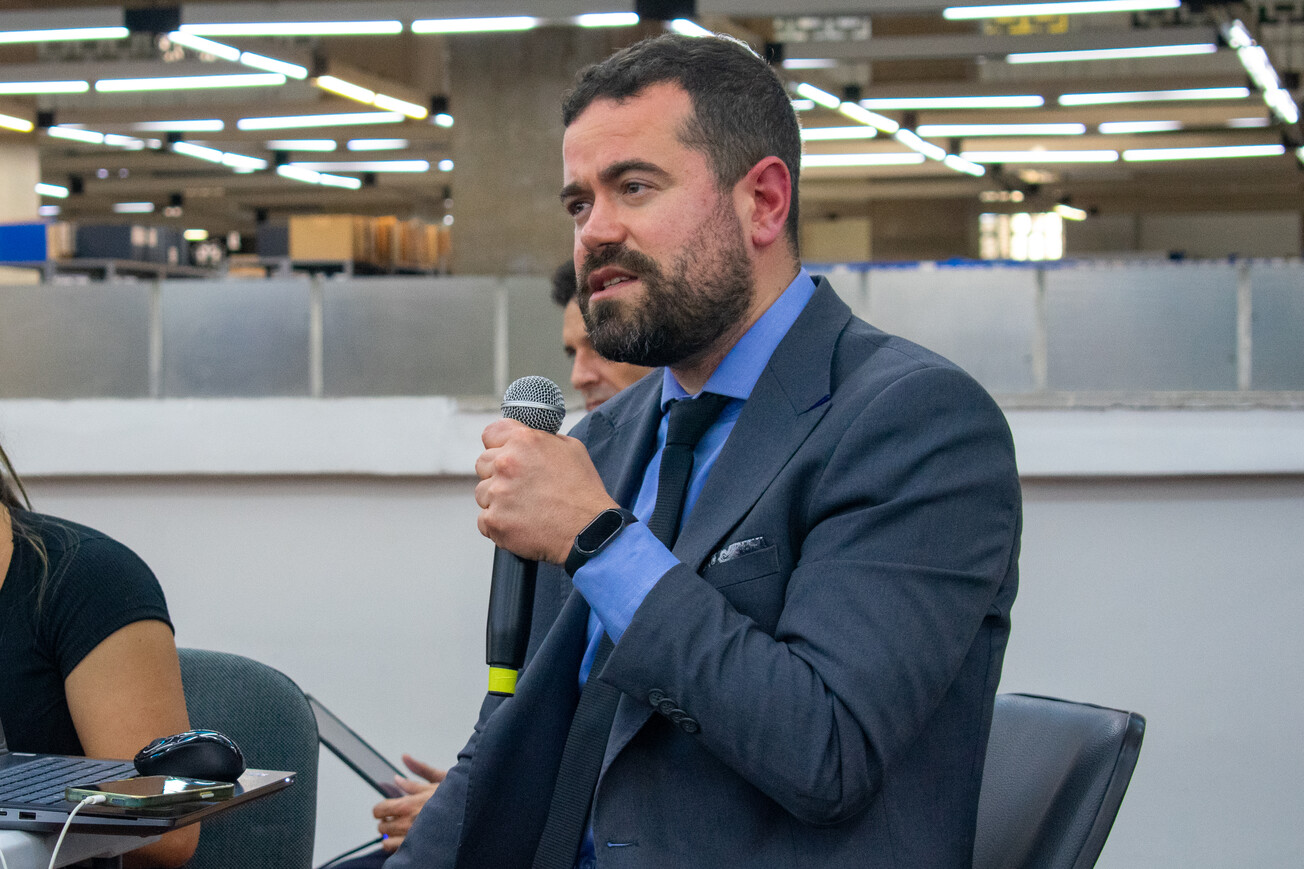
Caio Riebold, solutions manager at ESRI, discussed the use of machine learning and deep learning, subdivisions of AI focused on teaching computers to learn with data. He showed the simulation of a response to a migration event in the borderline between Colombia and Venezuela. “A challenge in operations like these is a very fast response, which is not always possible. With machine learning,we can prepare better for the future and give a better response about the present.”

He also presented the page Living Atlas of the World, delivered by ESRI, where one can access deep learning ArcGIS. packs. “For example, you can organize parameters of what you want to extract, such as the count of cars in cities, for example. These are models developed and that must be trained for each reality.”
Caio emphasized the need for IBGE's intelligence and experience in using the ArcGIS platform. “You gentlemen have more knowledge than we do about what we should extract, how we should extract it, and what the best models for quality responses are. It would be great to bring you in to talk with our experts who are developing these tools and models so we can understand where we need to improve. I extend my invitation to all of them,” he said.