
IBGE
Participatory sessions close Showcase Workshop on Censuses of the Population Experiencing Homelessness


April 16, 2026 01h30 PM | Last Updated: April 17, 2026 08h37 PM

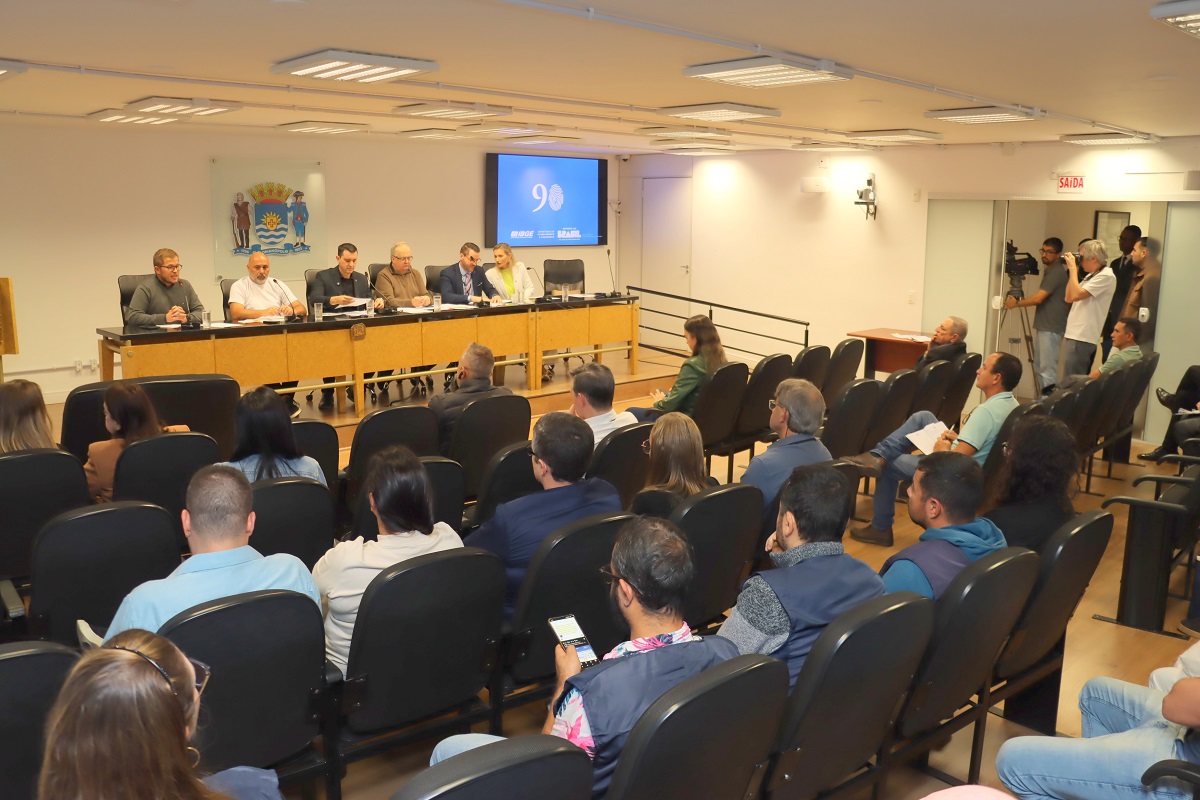
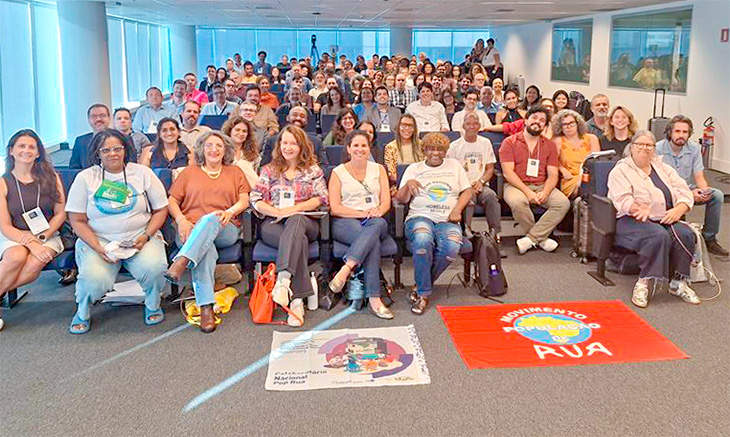
The third day of the Showcase Workshop on Censuses of the Population Experiencing Homelessness, this Wednesday (15), was marked by debate sessions. Social movements, researchers and organizations were able to suggest and comment on practical issues that are being prepared for the National Census, which will be carried out in 2028.
The workshop has been taking place since Monday (13), by the Brazilian Institute of Geography and Statistics (IBGE), at the headquarters of the Attorney General's Office (AGU), in Rio de Janeiro.
“We brought together here coordinators from censuses conducted by municipalities and states, coming from all regions of the country. These were three days of exchanging experiences and engaging in incredibly rich debates, enhanced by the excellent infrastructure of the AGU Integrated Headquarters in Rio de Janeiro, to whom we are grateful for the hospitality,” said Fernando Damasco, IBGE's General Coordinator of Census Operations.
Among the most polemic topics were the questions that will be in the questionnaires that the IBGE is preparing and the methods for mapping the territories, since the census of the homeless population, due to its characteristics, will not be structured around enumeration areas.
The debate this Wednesday, due to the richness of the contributions, provided a double exchange between the IBGE and the guests. For Mr. Damasco, there was, for example, a concern among researchers about how the IBGE would avoid double counting, a point which was clarified by the Institute.
“We (at the IBGE) are trained our whole lives not to duplicate and not to omit. And in this census, we will duplicate. The problem with duplication is that you will have to make efforts to unduplicate. And that's called methodology. We have a method for that. The CTD (Technical Division of Population Census) team is creating ways to remove the duplication. The biggest challenge is the observation questionnaire,” Mr. Damasco explained.
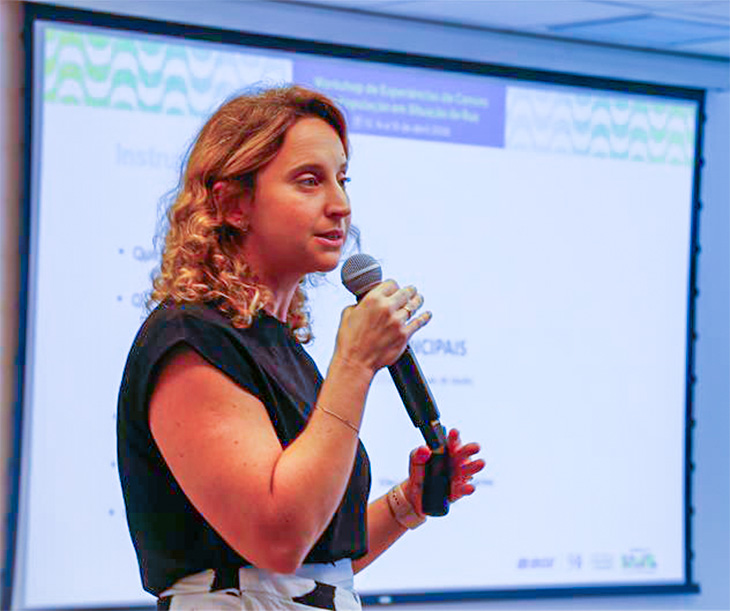
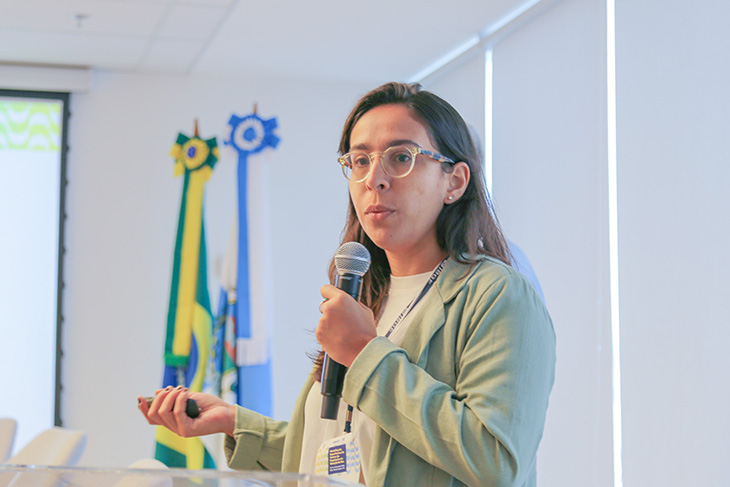
The panel with the greatest contributions was the one on the Census questionnaire, facilitated by Marta Antunes from the Directorate of Surveys (DPE), with DPE researchers Giulia Scappini and Bruno Mandelli. Topics such as sexually transmitted infections, social name, the need to present documents, and violence were raised by the participants. All the issues raised were considered by the researchers.
“In other IBGE surveys involving these themes, such as substance use and violence, like the PNS and Pense, there are very clear guidelines on, for example, not interviewing in the presence of another person, women only answering questions from female researchers, and sensitive questions being answered only by the person in private. As far as possible, we will take and try to incorporate this method into the Census of the Population Experiencing Homelessness,” explained Mr. Mandelli, when responding, for example, to the refusal of women to answer whether they suffer violence when they are in a group where the potential perpetrator lives on the street with them.
To ensure that the Census questionnaire is as adapted as possible when it goes into the field, researchers reminded participants that pilot studies will be conducted, making testing essential for a more accurate survey. Thus, the general coordinator of census operations argued that the IBGE will be prepared for problems such as the inappropriate use of numbers or distorted data by the public once the Census is finalized, maintaining IBGE's statistical standards.
“As a national statistical institute, the IBGE needs to listen to society, social movements, municipalities, the government, and researchers when constructing surveys. Data collected must be relevant, reliable, and feasible for all audiences. And we know that in polarized contexts, with misinformation, it will be necessary to communicate them extensively, being transparent, and explaining them,” commented Fernando Damasco, defending the context of the debates that took place at the workshop.
The meeting was supported by the Attorney General's Office (AGU), which provided the use of the facility in Rio de Janeiro, whose infrastructure was fundamental for carrying out the activities.
“We brought together here coordinators of censuses carried out by municipalities and states, coming from all regions of the country. These were three days of rich exchanges of experiences and debates, enhanced by the excellent infrastructure of the AGU's Integrated Headquarters in Rio de Janeiro, to whom we are grateful for the hospitality,” said Fernando Damasco, IBGE's General Coordinator of Census Operations.
Themes
Before Wednesday's sessions, the workshop included two days covering different themes. On Monday, the IBGE and movements involving the population experiencing homelssness, as well as the Federal Government, presented the history and motivations behind the survey. On Tuesday, it was the guests' (federative entities, universities) time to report on previous experiences with regional censuses, so that the could learn from them.
The entire workshop program was broadcast online. The content is available at this link for the morning session and at this link for the afternoon session.